Among many dog breeds, Husky has won the love of countless families for its handsome appearance, abundant energy and unique personality charm. However, as responsible pet owners, we are not only concerned about their cool appearance, but also their long-term health and happiness. In the daily care of huskies, oral health is an area that is easily ignored but crucial. A healthy tooth is not only related to their eating and quality of life, but also closely related to overall health. This article will provide you with an in-depth analysis of how to build a solid oral health defense line for your husky. The core lies in "brushing your teeth every week" and "regularly bathing".
1. Why can't Husky's oral care be ignored?
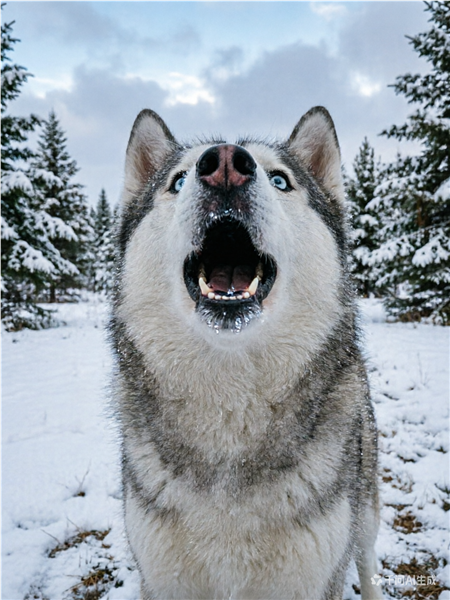
Huskies are medium and large working dogs, and their ancestors needed strong bodies in harsh environments, including sharp teeth. The diet structure of huskies raised in modern families has changed. If they are not cared for, oral problems will quietly arise. The dog's oral environment is a breeding ground for bacteria. Food residue combines with saliva to form plaque on the surface of the teeth. If dental plaque is not removed in time, it will combine with minerals in saliva within about 72 hours and harden to form hard calculus. Dental stones will continue to stimulate the gums, causing inflammation and retraction of the gums, forming periodontal pockets, which in turn destroy the alveolar bone that supports the teeth, and ultimately lead to loosening and loss of the teeth. This process is periodontal disease. More seriously, bacteria and inflammatory factors in the mouth may enter other important organs of the body through blood circulation, such as the heart, kidneys and liver, causing or exacerbating systemic diseases. Therefore, oral care for huskies is not just about "fresh breath" or "beautiful teeth", but a serious health investment related to their quality of life and longevity.
2. Brush your teeth every week: Building the core line of daily family care
, brushing your teeth every week is the most effective and economical way to prevent plaque and calculus. The ideal state is once a day, but for busy owners, ensuring that they brush their teeth thoroughly and effectively 2-3 times a week can also achieve significant results.

1. Preparations: Let Huskies accept brushing.
For huskies who have not touched brushing, do not force themselves to start. They are smart and sensitive and require patient guidance. First, choose when the husky is relaxing, such as after a meal or after play. For the first few days, you just use your fingers to gently touch its lips and the outside of its teeth, while giving a lot of praise and snack rewards. After that, try wrapping your fingers with gauze and dipping in a little pet-specific toothpaste (usually a palatable flavor such as chicken or beef), allowing them to lick and get used to the taste and texture of the toothpaste. The process can take a week or two, and the goal is for Huskies to associate "opening their mouths and touching their teeth" with "happy rewards."
2. Tool selection: Professional and efficient
toothbrush: Pet specific toothbrush is the first choice. The brush head is usually smaller and the bristles are softer, suitable for the dog's oral structure. There are finger-sleeve type, double-headed type (large brush head at one end and small brush head at the other end) and long-handle type. For dogs with long mouths like huskies, long-handled toothbrushes may be more convenient to operate. You can also choose a children's soft-bristled toothbrush as an alternative.
Toothpaste: You must use pet toothpaste! Human toothpaste contains fluoride, foaming agents and other ingredients. Dogs cannot gargle and spit them out. After swallowing, it may cause gastrointestinal discomfort or even poisoning. Pet toothpaste is edible and has a flavor that dogs like, which can greatly reduce the resistance to brushing their teeth.
3. Detailed explanation of correct brushing steps
(1) Posture: Let the husky sit on his side or stand in front of you in a comfortable position. You can squat next to it, gently hold its chin with one hand, and stabilize its head.
(2) Opening: Use the thumb of the hand holding your chin to gently turn up one lip to expose your teeth and gums.
(3) Brush your teeth: Hold the toothbrush with your other hand and aim it at the junction of your teeth and gums at a 45-degree angle. This is the place where dental plaque is most likely to accumulate. The movements should be gentle, using small circular motions or vertical brushing, brushing 2-3 teeth at a time.
(4) Order: Brush the easy outer tooth surfaces first, especially the rear molars, where dirt is most likely to accumulate. When the dog adapts, try brushing the inner tooth surface again. You don't have to force the brush to all inside sides, because the dog's tongue movement has a certain self-cleaning effect, but cleaning the outside is a must.
(5) Reward: Even if you only brush for a few seconds at the beginning, you must immediately give warm praise and your favorite snack after the end. Gradually extend the brushing time, with the ultimate goal of brushing for 30-60 seconds on each side, for a total of 2-3 minutes.
3. Regular professional cleaning: indispensable deep cleaning
No matter how serious the family brushes their teeth, there are always some stubborn calculus (especially those below the gum line) that are difficult to remove by brushing their teeth. This requires regular dental cleaning by a professional veterinarian. It is usually recommended to have an oral examination every year and the veterinarian determines whether dental cleaning is needed.
1. What is professional tooth cleaning?
Professional tooth cleaning, the full name of "professional dental prevention and care", needs to be carried out in a pet hospital and usually requires general anesthesia. This may sound worrying to the owner, but it is necessary for thorough tooth cleaning and inspection. Under anesthesia, the veterinarian can:
- Use an ultrasonic scaler to safely and efficiently shake off all calculus on the tooth surface and under the gums.
- Carefully explore each tooth, assess gum condition, and measure the depth of the periodontal pocket.
- Polish each tooth to make the tooth surface smooth and delay the re-attachment of dental plaque.
- Conduct a comprehensive oral examination to reveal potential dental caries, broken teeth, oral tumors and other problems.
- Perform dental X-rays when necessary to assess the health of roots and jaws, which is key to discovering hidden problems.
2. Concerns about the safety of anesthesia
are the owner's biggest concern. Modern pet anesthesia technology is very mature and safe. Before cleaning teeth, the veterinarian will conduct detailed preoperative examinations, including blood routine, biochemical tests, etc., to assess the husky's cardiopulmonary function and anesthesia risks. During anesthesia, a professional anesthesiologist or veterinary assistant will monitor vital signs (heart rate, respiration, blood oxygen, blood pressure, etc.) throughout the entire process. For huskies with healthy or controllable assessed risks, the risk of professional anesthesia tooth cleaning is much lower than the long-term health risks posed by periodontal disease.
3. Family maintenance after dental cleaning
is not done once and for all. After cleaning, the teeth are as clean as new, but if you do not insist on brushing your teeth at home, plaque will re-form within 24-48 hours. Therefore, cleaning teeth "resets" oral health, and weekly home brushing is fundamental to maintaining this state. Gum inflammation usually subsides one week after cleaning, which is a golden time to start or re-strengthen brushing habits.
4. Common oral problems in Huskies and countermeasures
1. Bad breath: This is the earliest and most common sign. Mild bad breath may come from digested or freshly eaten food, but a persistent, severe rancid smell is almost always a sign of oral problems, usually in the early stages of periodontal disease.
2. Dental calculus: A yellow, brown or even black hard substance can be seen near the gums of the teeth. In mild cases, it can be delayed by strengthening brushing and using tooth cleaning products. In severe cases, professional tooth cleaning must be relied on for removal.
3. Gingivitis: The gums are red and swollen, and are prone to bleeding when touched. This is the early reversible stage of periodontal disease and can be restored by enhanced cleaning.
4. Periodontitis: Gingivitis develops, causing gingival atrophy, exposed roots, loose teeth, salivation, difficulty eating, etc. Irreversible bone damage has been caused at this time, requiring immediate medical attention and may require treatment such as tooth extraction.
5. Broken teeth: Huskies like to bite, and hard toys and bones may cause teeth to break. Broken teeth can expose pulp, causing severe pain and infection, requiring medical attention as soon as possible.
5. Assistive care products: The icing on the cake
. On the basis of adhering to brushing and regular tooth cleaning, some auxiliary products can be used as supplements:
-Dental stick/teething toy: Help clean teeth through physical friction. Choose products with moderate texture and clean texture. Pay attention to monitor the biting process to prevent swallowing large pieces.
- Mouthwash/oral gel: Add to drinking water or apply directly on the gums to help suppress oral bacteria. But it cannot replace the mechanical cleaning effect of brushing your teeth.
- Prescription oral food: Special particle shape and texture that produces a cleansing effect when the dog chews. Use under the guidance of a veterinarian.
Important note: No assistive product can replace brushing your teeth. The most effective combination is "mainly mechanical brushing, supplemented by auxiliary products."
6. Establish habits from an early age: Oral care for husky puppies
Oral care should start with puppies. After the husky puppies are vaccinated and can go home, they can begin "desensitization" training. Let them get used to being touched in their mouths and accepting toothbrushes and toothpaste from an early age. Dental plaque will also accumulate in deciduous teeth during puppies, affecting the health of subsequent permanent teeth. Building a good early impression can make brushing your teeth more effective in adulthood.
7. Healthy eating and oral healthy
eating are the foundation of oral health. High-quality dog food provides balanced nutrition, maintains a healthy immune system, and fights inflammation. Avoid frequently feeding high-sugar, high-carbohydrate foods on human tables, which can easily promote plaque growth. Provide adequate and clean drinking water.
Conclusion
Protecting the oral health of huskies is a "protracted battle of love" that requires perseverance by the owner. This health defense line consists of two pillars: at home, we use patience and skill to perform brushing tasks every week to nip dental plaque in the cradle; in the hospital, we trust the profession and conduct in-depth cleaning and screening through regular inspections and washes. When you see that your dog has white and firm teeth, can enjoy delicious food happily, and show its trademark "smile" without worry, you will feel that all the efforts are worth it. This not only extends its healthy life, but also improves its daily quality of life. From now on, please incorporate the husky's oral care into your daily schedule to lay the most solid health foundation for its happy "dog life".