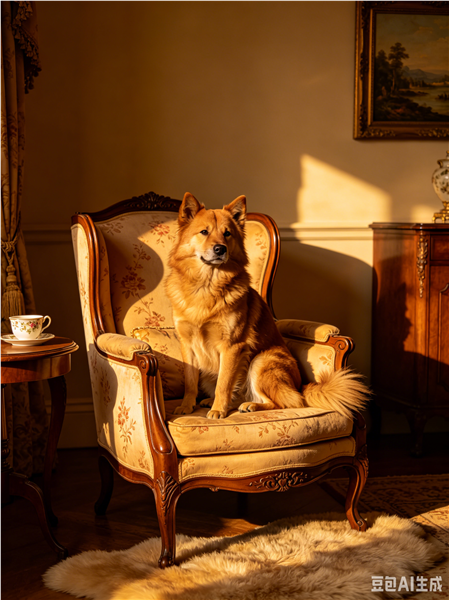
The Chinese Rural Dog, often affectionately referred to as the 'local divine dog' or 'Tu Gou', is not a single, standardized breed in the way Western kennel clubs define breeds. Instead, it represents a landrace—a type of dog that has developed naturally over centuries, adapting to the vast and varied landscapes of China through natural selection and, to some extent, informal selection by local people for specific traits like guarding, hunting, and companionship. This makes the question 'What breed is the Chinese Rural Dog?' a fascinating exploration into canine history and genetics.
These dogs are the quintessential native dogs of China, found in villages, rural homesteads, and even as free-roaming dogs in many areas. Their appearance can vary dramatically from region to region, influenced by climate, terrain, and local needs. In colder northern regions, you might find rural dogs with thicker, double coats and more substantial builds, resembling small Spitz-type dogs. In the warmer, southern provinces, they tend to have shorter, sleeker coats, larger ears for heat dissipation, and a more slender, athletic frame. This incredible diversity is a testament to their adaptability and hardiness.
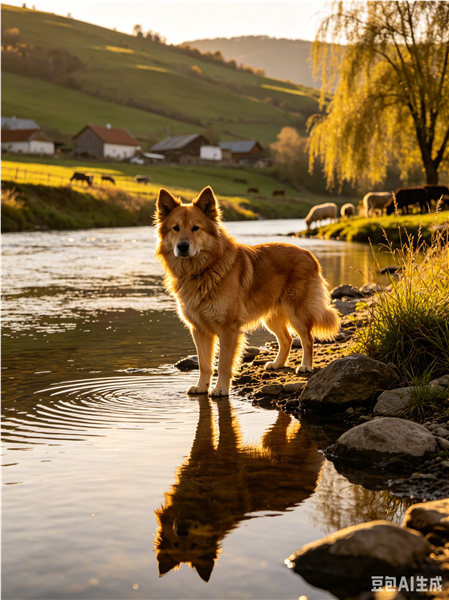
Despite the lack of a uniform 'breed standard', Chinese Rural Dogs share several common characteristics that define the type. They are typically medium-sized, though size can range from small to large. Their coats come in a wide array of colors and patterns: solid black, yellow, brown, white, or beautiful mixes like black and tan, brindle, or spotted. They often have almond-shaped eyes that convey intelligence and alertness, and ears that can be erect, semi-erect, or folded. One of their most celebrated traits is their robust health. Having evolved without intensive human-controlled breeding, they generally possess strong immune systems and fewer genetic health problems common in many purebred dogs.
The temperament of the Chinese Rural Dog is as praiseworthy as its physique. Bred for utility and survival, they are highly intelligent, alert, and independent thinkers. They are naturally wary of strangers, making them excellent watchdogs, but are fiercely loyal and affectionate towards their family. Their intelligence means they learn quickly, though their independent streak may require patient and consistent training. They are energetic and require regular exercise and mental stimulation. When properly socialized from a young age, they can get along well with other animals and be gentle with children within their own household.
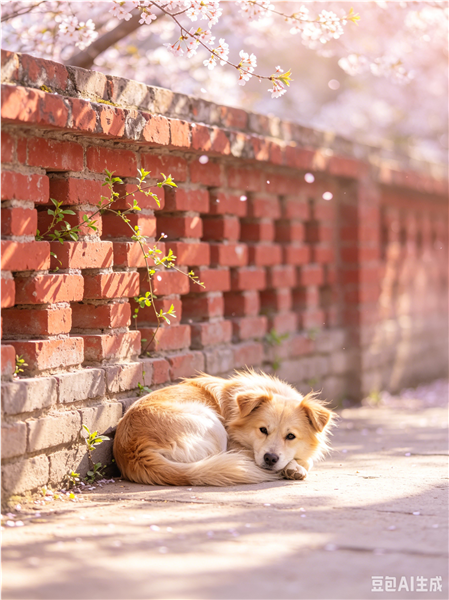
Caring for a Chinese Rural Dog is generally straightforward, thanks to their natural resilience. Their grooming needs depend on their coat type; those with longer coats will require more frequent brushing to prevent matting. They are active dogs that thrive with daily walks, playtime, and a secure yard to explore. A high-quality diet suitable for their age and activity level is essential. Perhaps the most important aspect of care is socialization and training. Early exposure to different people, sights, and sounds helps build a confident and well-adjusted dog. Positive reinforcement training methods work best with this intelligent and sometimes strong-willed breed type.
The history of the Chinese Rural Dog is deeply intertwined with the history of China itself. Archaeological evidence suggests dogs have been present in China for thousands of years. These native dogs are believed to be descendants of early East Asian wolf populations and have lived alongside humans for millennia, serving as hunters, herders, guardians, and companions. They are a living piece of cultural heritage. The term 'local divine dog' reflects the high regard in which they have traditionally been held—not as deities, but as valuable, almost mystical protectors of the home and village, possessing a kind of rustic wisdom and spirit.
In modern times, the status of the Chinese Rural Dog is complex. In urban areas, they are increasingly popular as family pets, valued for their loyalty, intelligence, and unique 'hybrid vigor'. However, many still live as stray or community dogs in rural areas. There is a growing movement in China to appreciate and protect these native dogs, recognizing their value and advocating for ethical treatment and adoption. For potential owners, adopting a Chinese Rural Dog can be an immensely rewarding experience. You are not just getting a pet; you are welcoming a resilient, intelligent, and historically significant companion into your life.
When considering a Chinese Rural Dog, it's crucial to understand their needs. They are not couch potatoes; they require engagement and activity. Prospective owners should be prepared for a dog that may be initially reserved with strangers and has a strong prey drive. Providing clear leadership, plenty of exercise, and early socialization is key to a harmonious relationship. Adoption is highly encouraged. Many wonderful Chinese Rural Dogs are waiting in shelters or rescue organizations for a loving home. By adopting, you give one of these 'local divine dogs' a chance and help preserve a unique canine lineage.
In conclusion, the Chinese Rural Dog is not a single breed but a diverse and ancient landrace that embodies adaptability, intelligence, and resilience. Asking 'what breed' it is leads us to a richer understanding of dogs that developed with nature and human society rather than through formal breeding programs. They are the 'local divine dogs'—treasured guardians of China's countryside and, increasingly, beloved members of families everywhere. With proper care, understanding, and respect for their nature, a Chinese Rural Dog makes for an unparalleled loyal and spirited companion.