For decades, the image of a happily wagging tail has been synonymous with a joyful dog. However, any seasoned Teddy owner or canine behaviorist will tell you that this interpretation is a vast oversimplification. The tail of a dog, especially of expressive breeds like the Teddy (often referring to Toy Poodles or similar small companion breeds), is a sophisticated emotional semaphore. Understanding that a "tail wag is not just happy" is the first step toward a deeper, more empathetic relationship with your furry friend. This guide delves into the complex world of Teddy emotional transmission, decoding the subtle signals conveyed through tail movement, position, and combined body language.
The tail is an extension of the dog's spine and a crucial part of its communication toolkit. It's equipped with muscles that allow for a wide range of motion, each variation potentially signaling a different internal state. The key factors to observe are not just the fact that it's moving, but its height, speed, direction, and stiffness.
The Height: A Barometer of Confidence and Emotion
The vertical position of the tail relative to the dog's body is a primary indicator of its emotional arousal and confidence level.
- High and Stiff: A tail held high and rigid, often with just the very tip quivering, signals high arousal, confidence, and potentially dominant or aggressive intent. Your Teddy may be on alert, challenged, or feeling territorial. It's a clear "I am here, and I am aware" signal that can precede aggression if the perceived threat approaches.
- Neutral or Level: A tail held in a natural, relaxed position indicates a calm, neutral, and content state. The dog is at ease in its environment.
- Low or Tucked: A tail held low between the legs is a universal sign of fear, anxiety, submission, or appeasement. A completely tucked tail signifies high stress or fear. Your Teddy might be feeling insecure, scared of a loud noise, or submitting to a more dominant individual (canine or human).
The Wag: Speed and Breadth Tell the Story
The motion of the wag provides the emotional context to the height.
- Broad, Loose, Wiggly Wags: This is the classic "happy wag." The entire rear end may swing along with it. It signals friendliness, openness, and a relaxed, joyful state. You often see this when you return home or during play.
- Fast, Vibrating Wag (High or Low): A rapid, sometimes tense-looking wag indicates high emotional arousal. If combined with a high tail, it could be agitated excitement or a challenge. If combined with a low or tucked tail, it signifies intense fear or nervous submission—the dog is saying, "I am no threat, please don't hurt me."
- Slow, Deliberate Wag: A slow wag with the tail at mid-height can indicate a dog that is tentative, uncertain, or assessing a situation. It's not a full-hearted greeting but a cautious inquiry.
- Short, Stiff Wagging: Minimal movement with a stiff tail base is a warning sign. The dog is tense, and its space should be respected.
The Direction: The Right-Left Bias
Fascinating research has shown that the direction of the wag may have meaning. Studies suggest that dogs tend to wag more to the right side of their bodies when experiencing positive emotions (approaching a beloved owner, seeing something pleasant) and more to the left when experiencing negative emotions (seeing a dominant unfamiliar dog, feeling apprehension). This is linked to hemispheric activation in the brain. While subtle and hard to discern in fast wags, it's a testament to the complexity of the signal.

Tail Wagging in Context: The Full Body Language
A tail signal is never read in isolation. To accurately interpret your Teddy's emotions, you must perform a "whole body read."

- Ears: Forward and alert vs. pinned back against the head.
- Eyes: Soft, relaxed gaze with a "squinty" look (often positive) vs. hard stare, whale eye (showing the whites), or avoidance of eye contact.
- Mouth: Relaxed, open "smiling" mouth vs. tightly closed lips, lip licking (a calming signal), or bared teeth.
- Body Posture: Relaxed, loose, wiggly body vs. stiff, frozen, or crouched posture.
- Hackles: The hair raised along the spine (piloerection) indicates arousal, which can be due to fear, excitement, or aggression.
- Vocalizations: The type of bark, whine, or growl accompanying the tail movement.
Scenario 1: The "Happy to See You" Greeting. Your Teddy's tail is held at a medium height, wagging in broad, sweeping, loose motions. Its body is wiggly, ears are relaxed, eyes are soft, and it might let out happy, short barks or whimpers. This is unambiguous joy.
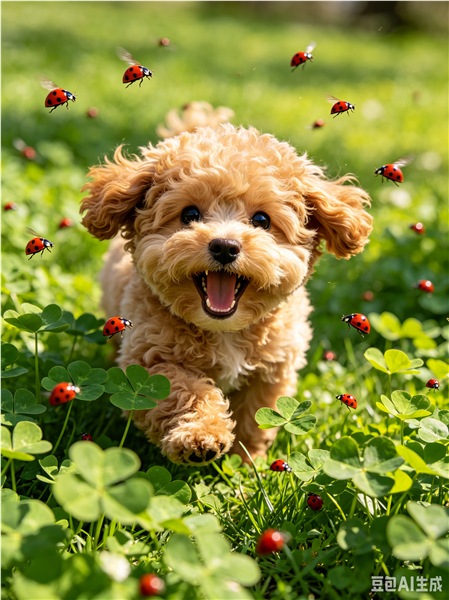
Scenario 2: The "I'm Nervous" Encounter. Your Teddy meets a new, large dog. Its tail is held low or slightly tucked, wagging in fast, short, tense movements. Its body is stiff, it may lean away, lick its lips, and avoid direct eye contact. This wag is not friendly—it's a stress signal and an attempt to de-escalate.
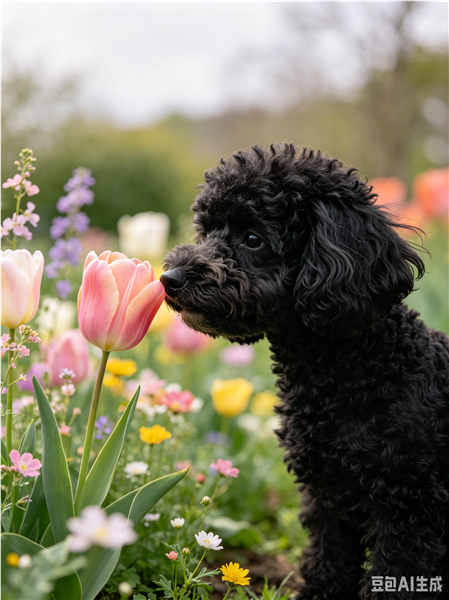
Scenario 3: The "Alert and On Guard" Stance. Your Teddy hears a strange noise at the door. Its tail is held high and stiff, possibly with a slight, rapid quiver at the tip. Its body is tense, ears are pricked forward, and it emits a low growl. This is a state of high alert and potential defensive aggression.
Why Misreading the Tail is Problematic
Assuming all wags are friendly is a common cause of dog bites, especially with children. A child runs up to a dog showing a low, fast, nervous wag (misread as happy), invades its space, and the fearful dog snaps. Understanding that a wag can mean "I'm scared, stay back" is crucial for safety. It also prevents forcing your Teddy into uncomfortable situations, worsening its anxiety.

Breed-Specific Considerations for Teddies
Teddy breeds often have docked tails or naturally short tails. This doesn't mean they lack emotional expression; it simply means you must look even closer. The nub or stump will still move. Observe the tension at its base and the rhythm of its movement. The absence of a long flag means other body language cues—ears, eyes, facial muscles, and overall posture—become even more critical to interpret.
Enhancing Your Bond Through Understanding
By learning this emotional vocabulary, you become a more responsive and trustworthy guardian for your Teddy. You can recognize when it's genuinely happy, when it needs comfort, and when it needs space. You can advocate for it in social situations, preventing stressful encounters. This understanding builds immense trust, as your dog realizes you are attuned to its feelings.
Start observing your Teddy today. Watch its tail during different activities: meal times, play, greetings, and encounters with novel stimuli. Note the height, speed, and accompanying body language. Over time, you'll move beyond the simplistic "wag = happy" and become fluent in the rich, nuanced language of your dog's emotions. This knowledge transforms ownership into a true partnership, where communication flows both ways, strengthening the incredible bond you share with your popular and beloved Teddy.
Remember, the tail is just one part of the story. Always look at the whole dog. When in doubt, give space and allow the dog to approach if it feels comfortable. Respecting their communication is the ultimate form of love and care, ensuring your Teddy feels safe, understood, and deeply connected to you, its most important person.