The Samoyed, with its iconic "Sammy smile" and luxurious white coat, is a breed that captures hearts worldwide. Known for their friendly, gentle, and adaptable nature, they are excellent family companions and working dogs. However, beneath that cloud-like fluff lies a detailed and strict breed standard that defines the ideal specimen of the breed. One of the most critical, yet often misunderstood, aspects of this standard pertains to the eyes. For a purebred Samoyed, the eyes are not just windows to the soul; they are a key indicator of breed purity, genetic health, and adherence to the standard set by kennel clubs globally. The unequivocal rule is: purebred Samoyed eyes have a specific standard, and heterochromia (two different colored eyes) or incorrect eye color is considered a disqualifying fault.
The official breed standard, as outlined by major organizations like the American Kennel Club (AKC) and the Fédération Cynologique Internationale (FCI), is very clear on eye specifications. The AKC standard states: "Eyes dark brown for preference, placed well apart and set somewhat obliquely. The eye rims should be black for preference and slightly slanting toward the outer base of the ear." The FCI standard echoes this, describing the eyes as "dark brown in colour, placed well apart, deep-set, almond-shaped, with friendly and intelligent expression." The key terms here are "dark brown." This is not a suggestion or a mild preference; it is a fundamental requirement. Any deviation from dark brown eyes, including blue eyes, amber eyes, green eyes, or most notably, heterochromia (where one eye is brown and the other is blue, or any other combination), is considered a serious fault. In the context of conformation dog shows, such faults are typically disqualifying, meaning a dog exhibiting them cannot compete or earn championship titles.
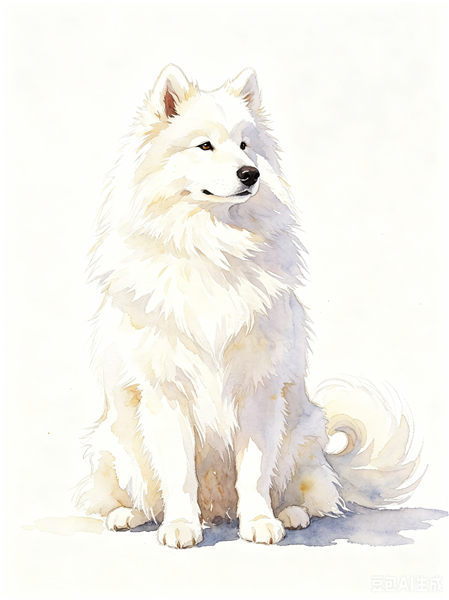
Why is there such an unwavering emphasis on dark brown eyes? The reasons are rooted in the breed's history, genetics, and the preservation of its defining characteristics. The Samoyed is an ancient breed originating from the nomadic Samoyede people of Siberia. These dogs were integral to survival, serving as herders for reindeer, hunters, guardians, and sled pullers. Their physical traits, including eye color, were shaped by function and environment. Dark, pigmented eyes offered better protection against the harsh glare of the Arctic sun reflecting off snow and ice (snow blindness). Light-colored eyes, like blue, lack sufficient pigment and are more sensitive to bright light. Therefore, the dark eye was a practical, functional trait that was naturally selected for over centuries. Preserving this trait maintains a link to the breed's working heritage.
From a genetic standpoint, the dark brown eye color in Samoyeds is associated with a high level of pigment, which is considered a sign of overall genetic soundness and robustness. The gene responsible for blue eyes or heterochromia in many breeds, including Samoyeds, is often linked to a lack of pigment migration during embryonic development. In some cases, this lack of pigment can be associated with other congenital issues, though not always. More importantly for breed purists, the presence of the blue eye gene is not native to the traditional Samoyed gene pool. Its appearance in a lineage typically indicates outcrossing or mixing with other breeds at some point in the past. For breeders dedicated to preserving the purity and health of the Samoyed breed according to the established standard, the occurrence of blue eyes or heterochromia is a red flag indicating a deviation from the pure genetic lineage.
Heterochromia itself can be complete (one entire iris is a different color) or sectoral (part of one iris is a different color). In Samoyeds, the most common and noticeable form is complete heterochromia, often presenting as one dark brown eye and one blue eye. This striking appearance, sometimes called "odd-eyed," might be visually captivating to some, but it is explicitly undesirable according to the breed standard. A Samoyed with heterochromia is, by definition, not a correct representative of the breed, regardless of how perfect its coat, structure, or temperament may be. Reputable breeders who prioritize the standard and the breed's long-term health will not breed from dogs that carry or exhibit this trait, as it can be passed on to offspring.

For potential Samoyed owners, understanding this standard is crucial, especially when choosing a puppy. The eye color of a Samoyed puppy can change as it matures. Most puppies are born with blue eyes, which gradually darken over the first 8 to 12 weeks of life. By the time a puppy is ready to go to its new home (usually around 12 weeks), its eye color should be settling into a dark shade. If a puppy's eyes remain a light blue, steel gray, or amber past this age, or if there is a noticeable difference between the two eyes, it is a strong indication that the adult eye color will not be the required dark brown. This is a vital consideration. If you are looking for a pet-quality Samoyed, a minor fault in eye color may not impact the dog's ability to be a wonderful companion. However, you should be aware of the fault, and the breeder must be transparent about it. The puppy should be sold on a limited registration (if with a kennel club) and with a strict non-breeding agreement, as it should not be used to perpetuate the fault.
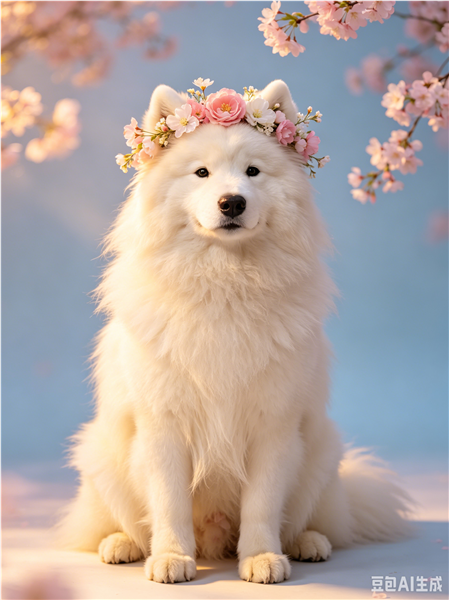
If your dream is to show your Samoyed or participate in conformation events, selecting a puppy with correct dark brown eyes is non-negotiable. A show-quality puppy must adhere to all aspects of the breed standard, with eyes being a major point of judgment. A judge will immediately note eyes that are too light, the wrong shape, or mismatched. Such a fault is often severe enough to warrant dismissal from the ring. Therefore, working with an ethical, knowledgeable breeder who breeds for conformation and health, and who can accurately assess a puppy's potential, is essential. These breeders will have a deep understanding of the eye color development in their lines and will be able to guide you.

It is also important to distinguish between a breed standard fault and a health problem. While heterochromia itself is usually not harmful and does not affect a dog's vision, it is sometimes associated with certain conditions. For instance, in some breeds, the lack of pigment can be linked to deafness, particularly if the blue eye is on the same side as a deaf ear (as in Dalmatians or Australian Shepherds). There is no strong established link between heterochromia and deafness in Samoyeds specifically, but it is a consideration. Furthermore, light-colored eyes are generally more prone to issues like photophobia (light sensitivity) and may have a higher risk of certain conditions like uveitis. The dark, pigmented eye rim called for in the standard also helps protect the eye from irritants and sun damage. The standard, therefore, promotes not just aesthetics but also functional health.
In the age of social media, images of "rare" blue-eyed or odd-eyed Samoyeds sometimes gain popularity. It is critical to view these with an informed perspective. Marketing a Samoyed as "rare" because of its blue eyes is often a tactic used by backyard breeders or puppy mills to sell non-standard dogs at inflated prices. They are capitalizing on a public misconception that "different" equals "valuable." In reality, within the context of a purebred dog, "different" from the standard often means "faulty." Supporting such practices undermines the work of responsible breeders who strive for healthy, correct dogs and can contribute to the proliferation of genetic faults and poor breeding practices.
In conclusion, the statement "Purebred Samoyed eyes have standards, heterochromia is a disqualifying fault" is a cornerstone of responsible Samoyed breeding and ownership. The requirement for dark brown eyes is not arbitrary; it is a tribute to the breed's functional history, a marker of genetic purity, and a benchmark for preservation. Whether you seek a show champion or a beloved family pet, understanding and respecting this standard allows you to make an informed choice. It empowers you to identify reputable breeders, ask the right questions, and ultimately welcome a Samoyed into your home with a full understanding of its conformation and heritage. Remember, the true beauty of a Samoyed lies in its harmonious adherence to the standard that defines it—a sparkling, intelligent, and friendly expression housed in correctly placed, dark brown eyes, perfectly complementing the famous Sammy smile.