The Pomeranian, with its luxuriant fluffy coat and lively fox-like expression, is one of the world's most recognizable and beloved toy dog breeds. Today's show-standard Pomeranians typically weigh between 3 to 7 pounds, standing just 6 to 7 inches tall at the shoulder. Their tiny stature, compact body, and buoyant personality make them ideal companion animals for apartment dwellers and families alike. However, this was not always the case. The journey of the Pomeranian from a robust working dog of the Arctic regions to the diminutive lapdog of European royalty is a remarkable story of selective breeding, changing human preferences, and the influence of key historical figures. This article delves deep into the fascinating evolution of the Pomeranian's body type, tracing its origins back to much larger ancestors and exploring the forces that shaped the breed into its current form.
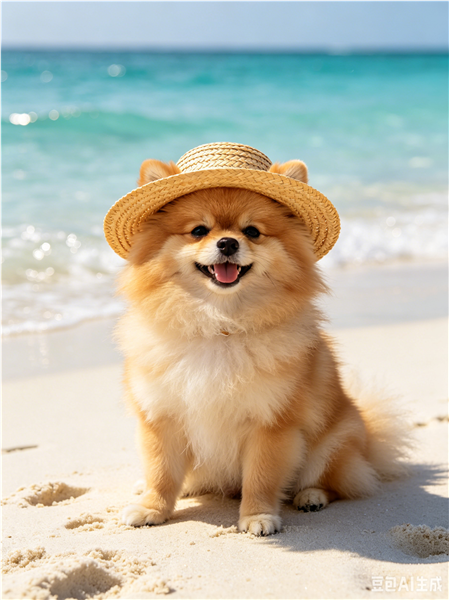
The roots of the Pomeranian lie not in the lap of luxury, but in the harsh, snowy landscapes of the Arctic and sub-Arctic. They are descended from the ancient Spitz family of dogs, a group characterized by dense double coats, pointed muzzles, erect ears, and tails that curl over the back. These sturdy dogs, which include breeds like the Samoyed, Norwegian Elkhound, and various sled dogs, were developed by indigenous peoples for specific tasks such as herding reindeer, pulling sleds, and guarding property. The immediate ancestors of the Pomeranian were larger German Spitz dogs from the region of Pomerania (now part of modern-day Poland and Germany). These original Pomeranians, or "Wolfsspitz" as they were sometimes called, were far from toy-sized. Historical accounts and paintings suggest they weighed anywhere from 20 to 30 pounds or more, resembling a small to medium-sized dog similar to today's American Eskimo Dog or a large Keeshond.
These dogs served as capable herders and guardians for sheep and other livestock. Their thick, weather-resistant coats protected them from the bitter cold, while their intelligence and alertness made them excellent watchdogs. Their size was a functional necessity for surviving and working in a challenging environment. The transformation began when these dogs caught the eye of European nobility. As trade routes expanded, these attractive Spitz dogs from Pomerania made their way westward into other parts of Europe. Their beautiful coats and spirited demeanor made them appealing to the aristocracy, but their size was still that of a substantial working dog.
The single most pivotal figure in the dramatic downsizing of the Pomeranian was Queen Victoria of England. A renowned dog lover, Queen Victoria encountered Pomeranians during a visit to Italy in 1888 and became utterly enamored with the breed. She returned to England with several Pomeranians, including a particularly small, sable-colored dog named Marco. Queen Victoria's passion for breeding and showing dogs was well-known, and she actively sought to produce smaller, more refined Pomeranians. Under her patronage and the work of her kennels, the breed's size began to shrink significantly. She favored dogs that weighed around 12 pounds, which was considerably smaller than the standard at the time. Her influence was immense; as a trendsetter, what the Queen favored, the public and other breeders inevitably pursued. By the end of her reign, the preferred size for a Pomeranian had dropped dramatically.
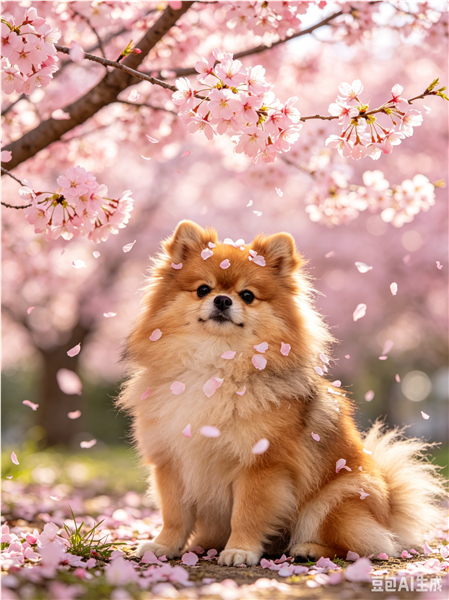
The establishment of breed clubs and formal standards in the late 19th and early 20th centuries codified this shift toward smaller size. The first breed club for Pomeranians was formed in England in 1891, and the first breed standard was written shortly after. This standard explicitly favored smaller dogs. The American Kennel Club (AKC) recognized the Pomeranian in 1900, and its standard also emphasized a small, compact build. As dog shows grew in popularity, the competitive ring became a powerful engine for change. Breeders selectively paired the smallest and most elegant specimens to win prizes and meet the evolving standard. This intensive selection pressure over several generations accelerated the reduction in the breed's average size. The focus shifted from the working abilities of the Spitz to the aesthetic qualities of a companion toy breed: a profuse coat, a sweet expression, and a tiny, balanced body.
This rapid miniaturization was not without its challenges. Breeding for extremely small size, often referred to as "teacup" or miniature breeding outside the official standard, can lead to significant health issues. Problems such as fragile bones (patellar luxation, tracheal collapse), dental overcrowding, hypoglycemia, and hydrocephalus became more prevalent as the dogs got smaller. Responsible breeders within organizations like the AKC work to a standard that prioritizes health and soundness alongside size. The modern AKC breed standard calls for a dog weighing 3 to 7 pounds, with 4 to 6 pounds being the ideal show weight. Any dog significantly under 3 pounds is likely the product of irresponsible breeding focused solely on extreme miniaturization at the expense of health.
Despite their tiny stature, modern Pomeranians retain many behavioral and physical traits of their larger Spitz ancestors. They are often described as having a "big dog" personality in a small body. They are typically intelligent, alert, extroverted, and can be quite vocal—excellent watchdogs just like their forebears. Their double coat, though now often more profuse and varied in color due to selective breeding, is a direct inheritance from the Arctic Spitz dogs. The characteristic foxy face, prick ears, and plumed tail carried over the back are all hallmarks of the Spitz family. The evolution of the Pomeranian's body type is thus a story of aesthetic adaptation rather than functional change. Their working instincts were largely bred out in favor of companionship traits, but their core Spitz essence remains unmistakable.
The story of the Pomeranian's size evolution also reflects broader changes in human society. The Industrial Revolution and urbanization led to more people living in smaller homes in cities, creating a demand for smaller companion animals. The rise of the middle class and the popularity of dog shows provided a platform for breeding as a hobby and a competitive pursuit. The Pomeranian, transformed by royal influence and breeder dedication, perfectly met this new demand. From a robust 30-pound farm dog to a 5-pound royal favorite, the Pomeranian's journey is a testament to the powerful influence of human selection and preference on canine evolution. Today, they continue to be one of the most popular toy breeds globally, a living reminder of their dramatic and fascinating history, where they were once, indeed, "actually this big."
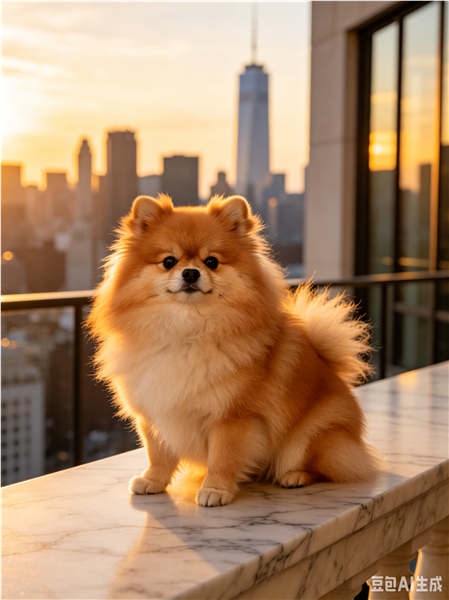
Understanding this history is crucial for any potential Pomeranian owner or enthusiast. It fosters a greater appreciation for the breed's resilience and unique character. It also highlights the importance of supporting ethical breeders who prioritize health, temperament, and adherence to the breed standard over the pursuit of extreme and unhealthy size reductions. The next time you see a tiny, confident Pomeranian strutting down the street, remember its mighty ancestors from the snowy plains of Pomerania, and the remarkable journey that connects them.