The Samoyed, with its stunning white plume and perpetual "smile," is an icon of cold-weather resilience. Hailing from the harsh Siberian tundra where temperatures routinely plunge far below freezing, this breed didn't just survive; it thrived as a reindeer herder, sled dog, and family companion for the nomadic Samoyedic peoples. The secret to its survival lies in one of nature's most sophisticated insulation systems: the double coat. But just how cold-resistant is this famous fur? Let's delve into the science, structure, and care of the Samoyed's double coat to understand its true winter superpowers.
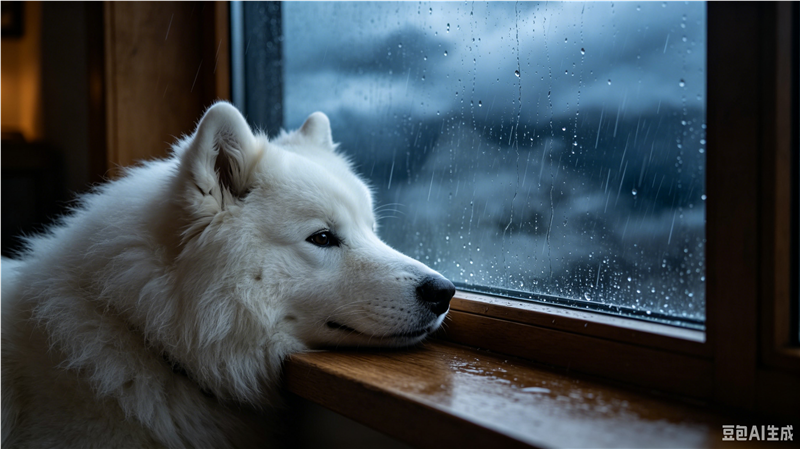
The Architectural Marvel: Deconstructing the Double Coat
A Samoyed's coat is not merely thick fur; it's a meticulously engineered two-layer system where each layer has a distinct and vital function. This structure is the cornerstone of their legendary cold resistance.
1. The Undercoat: The Insulating Cloud
The foundation of warmth is the undercoat. This layer is composed of short, fine, dense, and incredibly soft hairs that grow close to the skin. Think of it as wearing a tight-knit, woolen thermal layer. The primary material is keratin, the same protein found in human hair and nails, but the structure is unique.
The genius of the undercoat lies in its ability to trap air. Each fine hair is structured to create maximum loft. The dense forest of these hairs holds millions of tiny pockets of still air. Since air is a poor conductor of heat, this layer acts as a superb insulator, creating a stable thermal barrier between the dog's warm body (around 101-102.5°F or 38.3-39.2°C) and the frigid external environment. In extreme cold, a Samoyed can fluff up this undercoat, increasing the volume of trapped air and enhancing insulation further. The undercoat is also water-resistant to a degree, helping to keep the skin dry from light snow and condensation.
2. The Guard Hair (Outer Coat): The Protective Shield
Growing through the undercoat is the outer layer of guard hairs. These are longer, straighter, and considerably coarser or "harsher" to the touch. They are often referred to as "silver-tipped" because the ends can have a translucent quality that enhances the Samoyed's luminous white appearance.
The role of the guard hairs is purely protective. They form a durable, weatherproof shell over the delicate undercoat. Their key functions are:
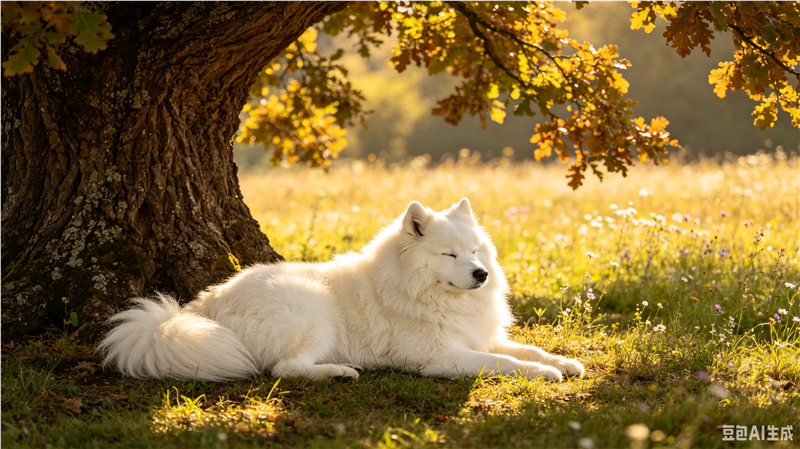
- Water and Snow Shedding: The guard hairs have a slightly oily texture (produced by natural skin oils) that causes moisture, snow, and ice to bead up and roll off. This is crucial for preventing the insulating undercoat from becoming saturated and matted, which would lead to rapid heat loss.
- Dirt and Debris Repellence: The coarse texture helps prevent dirt from penetrating to the skin, keeping the undercoat cleaner and more functional.
- UV Protection: Even in snowy landscapes, UV rays are present. The guard hairs provide a physical barrier against sun exposure.
- Structural Integrity: They give the coat its characteristic shape and "stand-off" quality, ensuring the undercoat remains fluffy and full of insulating air pockets.
Together, these layers create a synergistic defense. The guard hairs manage the external elements, while the undercoat manages thermal regulation. It's a system so effective that a healthy Samoyed can comfortably rest in temperatures as low as -30°C (-22°F) and remain active in even colder conditions for short periods, provided they are acclimated.
The Science of Warmth: How the Coat Regulates Temperature
The double coat doesn't just keep cold out; it's a dynamic thermoregulation system. The trapped air in the undercoat is the key. When the body produces heat, this layer prevents it from escaping too quickly. Conversely, in milder weather, the coat prevents overheating by allowing heat to dissipate more gradually. The Samoyed's coat is also remarkably efficient at "wicking" moisture from the skin outward, keeping the dog dry from the inside out during activity. This is why shaving a double-coated breed like the Samoyed is a catastrophic mistake—it destroys this natural climate control, leaving them vulnerable to both sunburn and hypothermia.
Grooming: Maintaining the Thermal Efficiency
A matted or dirty coat loses its insulating properties. Proper grooming is not about aesthetics; it's about maintaining the coat's functional integrity. For a Samoyed, this means:
- Regular Brushing: A thorough brushing several times a week with an undercoat rake and a slicker brush is essential to prevent mats, remove loose hair, and stimulate natural oil distribution. During the biannual "blow" of the undercoat (heavy shedding periods), daily brushing is necessary.
- Bathing with Care: Infrequent baths (every 2-3 months or when dirty) with a high-quality, moisturizing dog shampoo are best. Over-bathing strips the natural oils from the guard hairs, compromising their water-shedding ability. A full, forced-air dry is crucial to prevent dampness at the skin level, which can lead to hot spots and mildew.
- Never Shave or Clip: Unless for a specific medical procedure, a Samoyed's coat should never be shaved. It can take years to grow back properly, if at all, and permanently ruins its insulating and protective structure.
- Paw and Pad Care: While the body is insulated, the paws are vulnerable. Ice melt chemicals can burn pads, and snow can ball up between the toes. Using dog booties or applying a protective paw wax before winter walks is recommended. Always check and clean paws after being outside.
Beyond the Coat: Other Arctic Adaptations
The Samoyed's cold resistance isn't solely fur-deep. Evolution equipped them with other features:
- Small, Thick Ears: Less surface area for heat loss compared to large, floppy ears.
- Tail as a Scarf: The famous plumed tail is often curled over the nose and face when the dog sleeps, providing an extra layer of warmth and protecting the respiratory tract from freezing air.
- Compact, Muscular Build: A body built for efficiency and endurance in deep snow.
- Behavioral Adaptations: They are adept at digging snow holes ("denning") to escape wind and trap body heat.
Winter Care Essentials for Your Samoyed
Even with their natural gear, responsible ownership in cold climates involves extra steps:
- Adequate Nutrition: Dogs burn more calories to stay warm in winter. Consult your vet about potentially increasing food intake slightly during the coldest months.
- Unlimited Fresh Water: Prevent dehydration. Ensure water bowls don't freeze.
- Shelter from Wind and Wet: While they love the cold, a Samoyed should always have access to a dry, draft-free shelter. Prolonged exposure to wet, windy conditions can overcome even their impressive defenses.
- Monitor for Signs of Discomfort: Watch for shivering, whining, anxiety, or lifting paws. These are signs it's time to go inside. Remember, puppies, seniors, and sick dogs are more vulnerable.
- Post-Walk Drying: Towel dry the legs, belly, and paw areas if wet from snow or slush.
Conclusion: A Testament to Evolution
The Samoyed's double coat is a masterpiece of natural engineering, a testament to thousands of years of evolution in one of Earth's most challenging environments. Its cold resistance is not a single feature but the result of a perfect synergy between a dense, air-trapping undercoat and a tough, weather-shedding outer coat, supported by thoughtful breeding and proper care. Understanding and respecting this complex system is key to ensuring your "Snow Angel" not only looks magnificent but remains healthy, happy, and perfectly insulated through all of winter's adventures. Their coat is their heritage, their armor, and their defining characteristic—a fluffy, functional wonder that truly allows them to laugh in the face of the cold.