As temperatures plummet, the severe winter weather is a new challenge for every husky owner. As a working dog with a double thick coat and native to Siberia, the husky seems to be a natural "cold warrior". However, in modern family environments, especially those living in the south or in northern families with indoor heating, winter maintenance of huskies is not simply a matter of "stocking". Improper care, especially wrong bathing methods and neglect of cold protection details, may actually bring hidden dangers to their health. This article will discuss in depth the two cores of husky maintenance in winter: scientific bathing frequency control and meticulous cold and warm measures to help your "second ha" survive the cold winter safely and comfortably.
1. Scientific control of the bathing frequency of huskies in winter
The first principle for bathing huskies in winter is "not washing unless necessary." Excessive bathing will wash away the protective layer of natural oils on their skin and hair, causing dry skin, itching, increased dandruff, and even skin diseases. This layer of oil is an important barrier for huskies to resist cold and maintain skin health.
1. Recommended bathing frequency
Core frequency:Throughout the winter (usually from November to February of the following year), it is recommended to control the number of washes to 1-2 times. If the dog is not particularly soiled, it can even be extended to washing every two months.
Judgment basis:Based on the dog's body odor and greasy level of hair, rather than a fixed time. Consider taking a bath when you touch your hair with your hands and feel it is obviously greasy, absorbs dust, or the body odor becomes strong.
2. The golden rule of bathing in winter
(1) Choose a warm indoor environment: Besure to do it in a warm indoor bathroom, turn on the bathroom bar or heater in advance, and ensure that the room temperature is above 25 ° C to prevent dogs from catching a cold due to temperature difference.
(2) Use a professional and gentle bath fluid:You must choose a pet-specific, moisturizing or oat-formulated bath fluid. It is strictly prohibited to use human shampoo or soap. Its pH value is not suitable for dog skin and is extremely destructive.
(3) Water temperature is crucial: Thewater temperature should be close to the dog's body temperature (about 38-40℃). It is advisable to test with the inside of the wrist to feel warm but not hot. Excessive cold or overheating can cause discomfort and stress in dogs.
(4) Thoroughly dry drying is a hard requirement:This is the most critical step in taking a bath in winter! The husky's double coat has thick and dense fluff on the bottom. It is not enough to dry it with a towel. Water retention can easily lead to colds and skin diseases (such as eczema). You must use a high-power water blower or hair dryer to thoroughly dry the underlying fluff and skin in the direction of hair growth, especially hidden areas such as the abdomen, armpits, and toe gaps. The entire process may take more than an hour, so be patient.
3. Local cleaning and dry cleaning alternatives
For daily small-scale stains (such as soles of feet and around the mouth), local cleaning can be used:
- Foot cleaning foam/wipes:Immediately after going out and home, use pet foot cleaning foam or special wipes to clean the soles of your feet to prevent snow melting agent, ice residue and dirt from damaging the meat pad or licking the mouth.
- Dry cleaning powder/dry cleaning foam:Pet dry cleaning products can be used for those with little body odor. After spraying or applying evenly, comb it with a comb. It can effectively absorb oil and dust and refresh the body odor.
- Regular combing:Use needle combs and row combs to comb the husky's hair every day or every other day. It can effectively remove dead hair, dust and dander, promote skin blood circulation, and keep the coat fluffy and dry. This in itself is an excellent cleaning and health care.
2. Husky's strategy for cold and warm protection in winter
Although huskies are cold-resistant,"cold-resistant" does not mean "no need to keep warm." Especially puppies, elderly dogs, dogs that have just recovered from diseases, and huskies who come from warm areas to cold areas and live in a constant temperature room for a long time, their body temperature regulation ability may be insufficient and require extra care from their owners.
1. Indoor warmth: Creating a warm haven
(1) Comfortable kennel:Prepare a padded kennel or wooden kennel that is large enough and covered on all sides for the huskies, and place it indoors in a position away from the wind, away from air vents (such as doors and windows), and where floor heating is overheated. Lay a soft blanket or old clothing inside the nest so that they can curl up and keep warm.
(2) Manage indoor temperature differences: Inhouseholds with heating in the north, the indoor and outdoor temperature differences are extremely large. Be careful to avoid letting dogs in and out frequently, and stop at the door for a while to adapt. At the same time, the air in the heating room is dry, a humidifier can be used, and the dog can drink enough water.
(3) Be wary of the "floor heating crisis":If the home decoration is floor heating, don't let the dog lie directly on the overheated floor for a long time, which may cause the meat mat to dry and crack, and even heat stroke (yes, heat stroke may also occur in winter). Provide a kennel or mat to give it a choice.
2. Travel protection: Safe travel in a world of ice and snow
(1) Knowledge of dressing:For most healthy adult huskies, when going out for a short time in dry and windless weather, their own coat is enough to keep out the cold. Wearing clothes may affect their body temperature regulation and activities. However, it is recommended to dress in the following circumstances:
- The temperature is lower than-10℃, or accompanied by severe weather such as rain, snow, and strong winds.
- Puppy, elderly, frail dogs.
- Long time out (more than 30 minutes).
When choosing clothing, choose a style that fits well, breathes, and does not affect activities, such as a warm vest or a waterproof and windproof coat. Take off in time after returning home to avoid affecting the health of your fur.
(2) Protection of the soles of the feet (top priority!): Snow melting agent (industrial salt) and ice residue on the road in winter have a strong corrosive and irritating effect on dog's meat pads.
- Wear shoes:If dogs can adapt, pet shoes are the best protection solution. They can protect against cold, corrosion, and ice cuts.
- Foot protection wax:Apply special pet foot protection wax on the meat pad and toe seam before going out to form a protective film.
- Clean promptly:Every time after returning home, you must wash and dry the soles of your feet with warm water (as described above) to check for cracks, redness and swelling.
(3) Control the time and timing of going out:Avoid walking dogs for long periods of time in the extremely cold morning or late at night. Choose a relatively warm afternoon period of the day. Playing on ice and snow should be moderate to prevent frostbite. Always observe the dog's condition. If it trembles, curls, whines, tries to walk back or lifts a certain foot, it means that it is very cold and should go home immediately.
3. Diet and drinking water adjustments
(1) Increase calories appropriately:If dogs still have a lot of outdoor activities in winter, they can add about 10%-20% to dog food as appropriate, or add some high-protein foods (such as cooked chicken, beef, egg yolks) to provide them with more energy to keep warm. However, dogs with reduced indoor activity need to control their food intake to avoid obesity.
(2) Ensure that drinking water is warm and sufficient:Provide enough warm water to avoid drinking ice water that irritates the stomach. You can change water frequently to ensure that the water temperature is not cold. Use stainless steel or ceramic water bowls to prevent your tongue from freezing (plastic bowls can also become brittle in extreme cold).
4. Special attention groups
Puppies: Theirability to regulate their body temperature is extremely poor. They must keep warm strictly, wear small clothes indoors, and prepare a warm nest to avoid catching cold when going out.
Elderly dogs/dogs with joint problems:Cold can aggravate joint stiffness and pain. In addition to keeping warm, the kennel should be softer, with electric blankets (requiring constant temperature control and protective layers to prevent biting), and reduce activities on slippery ice and snow roads.
Short-haired or shaved huskies: It isabsolutely forbidden to shave huskies in winter! If you have unfortunately had your hair shaved or your hair is severely sparse, it must be regarded as a "key protection object", and thermal insulation measures need to be strengthened both indoors and outside.
3. Common health problems and prevention in winter
1. Colds and respiratory infections: Symptoms include sneezing, runny nose, coughing, and listlessness. The key to prevention is to avoid sudden changes in temperature differences and catching cold after taking a bath. Once symptoms are discovered, seek medical advice promptly and do not use human cold medicine indiscriminately.
2. Frostbite: Most often occurs in distal areas such as ears, tail tips, foot pads and nipples. The skin will turn white and hard, and then turn red, swollen and painful. Immediately after discovery, gently re-warm with warm water (non-hot water) and sent to the doctor as soon as possible.
3. Dry and chemical burns of the meat pad: caused by dryness, ice friction and snow melting agents. Adhere to the use of foot protection wax and clean after home can effectively prevent it.
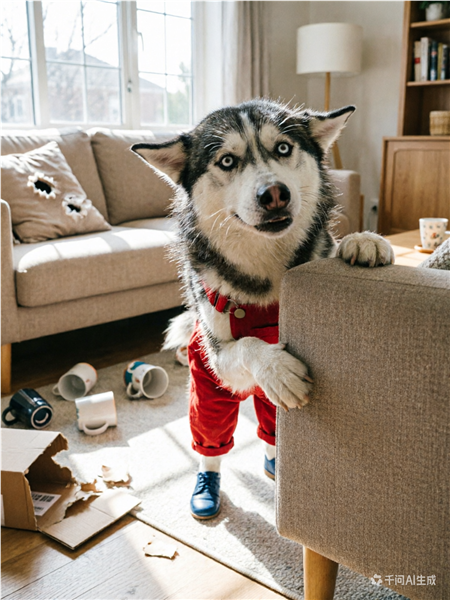
4. Depression and lack of exercise in winter: Huskies may experience behavioral problems such as demolishing homes and barking due to reduced outings. Owners should try their best to take it out when the weather is good, or carry out mental and physical activities indoors through sniffing mats, educational toys, hide-and-seek, etc. to consume their excess energy.
To sum up, maintaining huskies in winter requires the owner to be more careful and scientific. When it comes to bathing, you should be "lazy", reduce the frequency, and pay attention to methods; when it comes to keeping warm, you should be "diligent", observe carefully, and prepare well. By respecting their nature and providing appropriate protection in conjunction with the modern living environment, you can enjoy a healthy, happy and vibrant winter with your energetic husky partners. Remember, every time you dry the soles of your feet and every time you comb your coat, it is the warmest protection in this cold season.