Complete Collection of Trivia about Pomeranian Dogs: Secrets 90% of Owners Miss
Pomeranians, with their fluffy coats and spirited personalities, have captured hearts worldwide. Yet, beneath their adorable exterior lies a wealth of fascinating history, biology, and behavior that most pet owners never discover. This comprehensive collection unveils the hidden world of Pomeranians, offering insights that will transform your relationship with your petite companion.
The Royal Roots: From Sled Dogs to Lap Warmers
Few realize that Pomeranians descended from much larger Arctic sled dogs. The breed's name comes from the Pomerania region (now part of Poland and Germany), where they were bred down from the German Spitz. The most dramatic transformation occurred in the 19th century when Queen Victoria fell in love with a particularly small Pomeranian named Marco during a visit to Italy. Her enthusiasm for the breed sparked a royal trend of breeding increasingly smaller Poms. Historical records show Victoria's kennels actively worked to reduce the breed's size from about 30 pounds to the 3-7 pound standard we recognize today. This royal intervention fundamentally changed the breed's destiny from working dog to companion animal.
Color Genetics: The Rainbow Beneath the Fluff
Pomeranians boast one of the most diverse color palettes in the canine world, with the American Kennel Club recognizing 23 standard color patterns. What's truly remarkable is how their coat color can change dramatically as they mature. Many Pomeranian puppies are born one color and completely transform into another by adulthood. This phenomenon, known as "puppy uglies," occurs between 4-9 months when their puppy coat sheds to reveal their adult coloration. The genetics behind this involve complex interactions between melanin production, pigment distribution, and modifying genes that can turn a dark puppy into a cream adult or a sable into an orange. Some rare color patterns like lavender or blue result from dilution genes that create breathtakingly unique appearances.
The Intelligence Paradox: Smart but Stubborn
Pomeranians rank 23rd in Stanley Coren's intelligence of dogs study, placing them in the "above average working intelligence" category. They can learn new commands with 15-25 repetitions and obey first commands 70% of the time or better. However, their intelligence comes with a strong independent streak inherited from their spitz ancestry. This combination makes them excellent problem-solvers who may choose when to follow commands based on their own assessment of the situation. Their alert nature and keen senses made them valuable watchdogs in Victorian times, and they maintain this vigilance today, often alerting owners to visitors long before the doorbell rings. This intelligence extends to emotional awareness—Pomeranians are remarkably adept at reading human emotions and responding appropriately.
Dental Surprises: More Teeth Than You'd Expect
Given their small size, Pomeranians possess a surprising dental formula of 42 teeth—the same number as much larger breeds like German Shepherds. This dental crowding in their petite jaws creates significant challenges. Approximately 80% of Pomeranians develop periodontal disease by age three without proper dental care. The breed is particularly prone to retained baby teeth, where deciduous teeth fail to fall out as adult teeth erupt. This creates double rows of teeth that trap food and accelerate decay. Regular dental care isn't just about fresh breath—it's crucial for preventing systemic infections that can damage their heart, liver, and kidneys. Many owners are unaware that dental disease is the most common health issue affecting the breed.
Thermoregulation Marvels: The Science of Their Coat
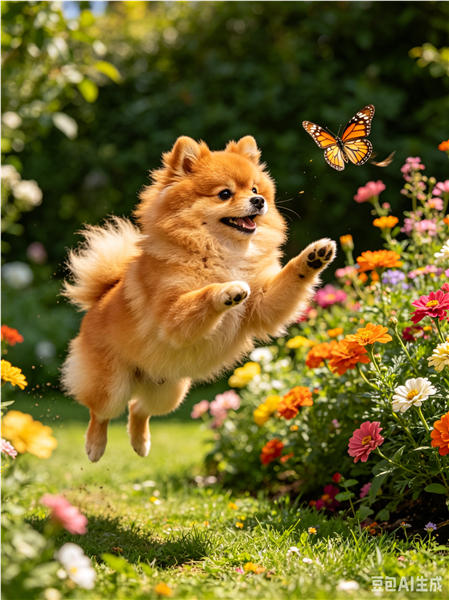
The Pomeranian's magnificent double coat serves as a sophisticated climate control system. Their dense undercoat provides insulation against both cold and heat, while the longer guard hairs repel moisture and dirt. What's truly remarkable is how efficiently this system works—their coat actually helps keep them cool in summer by trapping a layer of cool air close to their skin. This is why shaving a Pomeranian (except for medical reasons) is generally discouraged, as it disrupts their natural thermoregulation and can cause the coat to grow back improperly. Each square inch of their skin contains hundreds of hairs, and their coat continues to develop until they're approximately three years old. The texture and density vary by color, with some hues producing softer or coarser hair.
Historical Celebrity Companions
Throughout history, Pomeranians have charmed some of the world's most influential figures. Michelangelo's Pomeranian reportedly sat on a satin pillow watching him paint the Sistine Chapel ceiling. Martin Luther mentioned his Pom in theological writings, and Isaac Newton's Pomeranian named Diamond reportedly caused a months-long setback in his work by knocking over a candle that destroyed important papers. Mozart dedicated an aria to his Pomeranian, and Chopin was inspired to write the "Minute Waltz" after watching his friend's Pom chase its tail. In more recent times, Elvis Presley gave Poms as gifts, and various celebrities continue to showcase them today. This longstanding appeal across centuries and cultures speaks to their unique combination of beauty and personality.
The Vocalization Spectrum: More Than Just Barking
While known for being vocal, Pomeranians possess a diverse communication repertoire that extends far beyond barking. They produce at least eight distinct vocalizations with specific meanings: the alert bark (short, sharp), the demand bark (persistent), the play bark (higher pitched), the warning growl (low rumble), the contentment sigh, the attention-seeking whine, the excitement howl, and the unique "Pomeranian scream"—a high-pitched sound made during extreme excitement. Their vocal tendencies stem from their history as watchdogs, where alerting owners to anything unusual was valued. Modern Poms often retain this trait, but with proper training, they can learn when vocalization is appropriate. Interestingly, their vocal patterns can be influenced by their human family's communication style.
Longevity Secrets: Why Some Live Exceptionally Long
The average Pomeranian lifespan is 12-16 years, but exceptional individuals reach 18-20 years. The longest-lived Pomeranian on record reached 21 years. Several factors contribute to exceptional longevity: genetics (particularly from lines with few inherited conditions), maintaining ideal weight (even one pound overweight stresses their small frames), exceptional dental care, regular but not excessive exercise, and mental stimulation. The oldest Poms often share certain lifestyle factors: consistent routines, high-quality nutrition tailored to small breeds, regular veterinary preventive care, and strong social bonds with their families. Research suggests that the emotional connection between Pomeranians and their owners may actually contribute to longevity through stress reduction and increased care vigilance.
Hidden Health Indicators in Their Paws and Nose
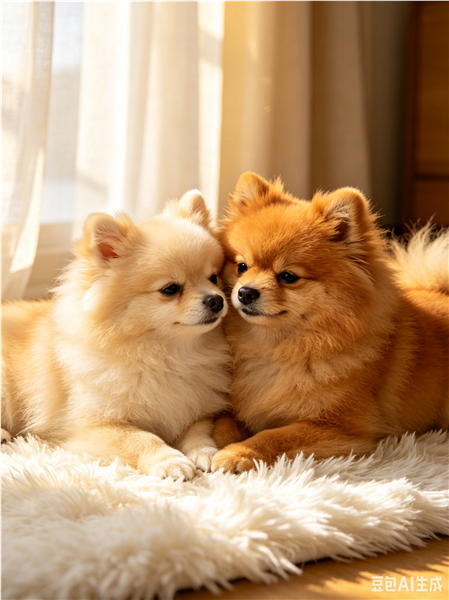
Pomeranian paws contain important health indicators often overlooked by owners. The color of their paw pads typically matches their nose pigmentation and can signal health issues when changes occur. Sudden lightening of nose or pad pigment (called "snow nose" or "winter nose") can indicate autoimmune conditions or vitamin deficiencies. Their small, cat-like feet are designed for agility rather than endurance walking, making them prone to injuries on rough surfaces. Additionally, the space between their paw pads can harbor irritants or allergens that cause persistent licking. Regular paw inspection should include checking for cracks, cuts, foreign objects, and signs of infection. Proper paw care is especially important since Poms have less weight distribution across their feet than larger breeds.
Sleep Patterns: The Canine Polyphasic Sleepers
Pomeranians exhibit polyphasic sleep patterns, meaning they sleep multiple times throughout the day rather than in one long stretch. Adult Poms sleep approximately 12-14 hours daily, while puppies may sleep up to 20 hours. Their sleep architecture includes both REM (rapid eye movement) and non-REM cycles, and they experience dreaming during REM sleep—often evidenced by twitching paws, muffled barks, or eye movements beneath closed lids. Their sleep needs increase during growth periods, after intense activity, during illness recovery, and in senior years. Creating consistent sleep environments helps regulate their patterns, and many develop specific sleep rituals or preferences for certain bedding materials. Understanding their sleep needs is crucial since sleep deprivation can exacerbate behavioral issues in this already spirited breed.
Nutritional Quirks: The Small Breed Metabolism
Pomeranians possess metabolic rates approximately 40% higher than larger breeds relative to their body weight. This means they burn through energy quickly and require nutrient-dense food formulated specifically for small breeds. Their tiny jaws benefit from kibble designed for small mouths, and their fast metabolism makes them prone to hypoglycemia if meals are spaced too far apart. Many owners are unaware that Poms have specific requirements for certain nutrients: higher calcium-to-phosphorus ratios for bone health, increased protein percentages for muscle maintenance, and particular fatty acid balances for skin and coat health. They're also prone to food sensitivities, with common triggers including chicken, beef, wheat, and soy. Working with a veterinarian to develop an individualized nutrition plan can prevent common issues and support longevity.
The Social Hierarchy Perception
Despite their small size, Pomeranians have a strong sense of social hierarchy inherited from their pack-oriented ancestors. They constantly assess their position within the family "pack" and may exhibit behavioral issues if they perceive themselves as the leader. This explains why some Poms develop "small dog syndrome"—compensatory behaviors like excessive barking, guarding, or refusal to obey. Successful Pomeranian ownership involves establishing clear leadership through consistent rules and positive reinforcement training. Interestingly, they often form strongest bonds with one particular family member while maintaining affectionate relationships with others. Their social intelligence allows them to navigate complex family dynamics, and they're remarkably adept at reading subtle social cues from humans and other pets.
Weather Sensitivity: Beyond Temperature Concerns
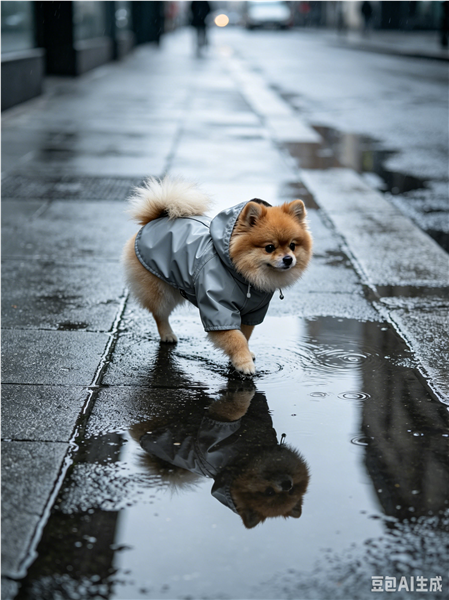
Pomeranians are sensitive to various weather conditions beyond just temperature extremes. Barometric pressure changes preceding storms can cause anxiety or restlessness. High humidity affects their ability to thermoregulate efficiently, potentially leading to overheating even at moderate temperatures. Wind can be particularly problematic as it disrupts their scent environment—an important source of information for dogs. Many Poms dislike rain not just because of wet fur but because it amplifies sounds and alters scents. During winter, road salts and chemical de-icers can irritate their paw pads and prove toxic if ingested during grooming. Understanding these sensitivities allows owners to create more comfortable environments and recognize when weather-related factors might be affecting their pet's behavior or health.
Grooming Secrets for Optimal Coat Health
Proper Pomeranian grooming involves techniques most owners never learn. Their double coat requires specific brushing methods: using a pin brush to work from skin outward, following hair growth patterns to prevent breakage. During shedding seasons, a de-shedding tool used sparingly removes undercoat without damaging guard hairs. Bathing frequency is crucial—too often strips natural oils, while too little allows matting. The ideal is every 3-4 weeks using canine-formulated pH-balanced shampoo. Many professional groomers use a "fluff drying" technique with a forced-air dryer and slicker brush to achieve their signature appearance. Regular attention to often-missed areas like behind ears, armpits, and feathering on hind legs prevents mats. Proper grooming isn't just cosmetic—it distributes skin oils, stimulates circulation, and allows early detection of skin issues or parasites.
Conclusion: Embracing the Complexity of Your Pomeranian
Pomeranians are far more complex than their diminutive size and fluffy appearance suggest. From their dramatic historical transformation to their sophisticated biological adaptations, these dogs offer endless fascination for observant owners. Understanding these hidden aspects—from their dental challenges to their social perceptions—enables better care, deeper bonds, and greater appreciation for what makes the breed unique. By looking beyond the obvious, owners can ensure their Pomeranian lives not just as a pet but as a thriving companion whose needs are fully understood and met. The most rewarding Pomeranian ownership comes from embracing both their delightful obvious qualities and these fascinating hidden dimensions.