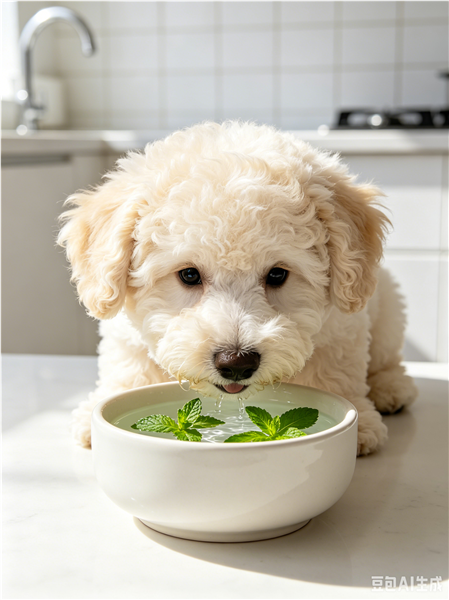
Teddy dogs, beloved for their adorable appearance and friendly nature, are not a single uniform breed but come in distinct body types, primarily categorized by size. The two most common and popular varieties are the Miniature (or Mini) Teddy and the Standard Teddy. While they share the same charming essence, there are significant differences potential owners should understand before bringing one of these delightful companions home. This comprehensive guide delves into the specifics of each type, from physical attributes to personality traits and care needs.
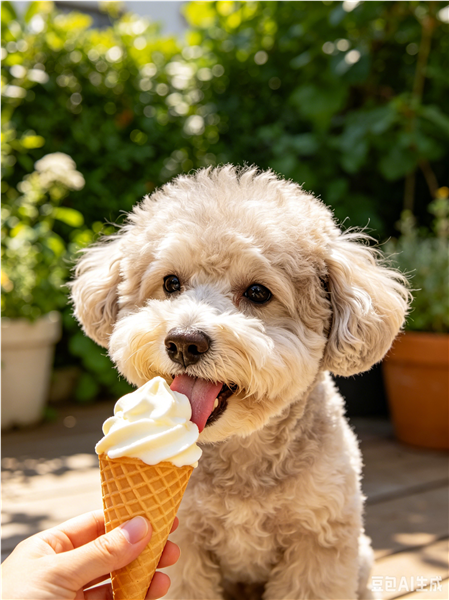
Firstly, let's define the size parameters, which is the most obvious distinguishing factor. The Standard Teddy is the larger of the two. Typically, a Standard Teddy stands between 9 to 14 inches (approximately 23 to 36 cm) tall at the shoulder. Their weight usually ranges from 15 to 30 pounds (7 to 14 kg), with some individuals falling slightly outside this range. They possess a sturdy, well-proportioned build that is neither too slender nor overly bulky. In contrast, the Miniature Teddy is a compact version. Their height generally does not exceed 10 inches (25 cm), and they weigh significantly less, typically between 5 and 12 pounds (2 to 5 kg). This petite size makes them exceptionally portable and suitable for apartment living or homes with limited space.
The variation in size leads directly to differences in exercise and space requirements. A Standard Teddy, with its larger frame and higher energy reserves, requires more daily activity to stay healthy and happy. They thrive on longer walks—at least 30 to 60 minutes per day—play sessions in a yard, and engaging activities like fetch or agility training. Without sufficient exercise, they can become bored and potentially develop destructive behaviors. Miniature Teddies, while still playful and energetic, have lower exercise demands. A couple of shorter walks (15-20 minutes each) combined with indoor play is often sufficient to meet their needs. Their small bladders also mean more frequent bathroom breaks are necessary, especially during puppyhood.
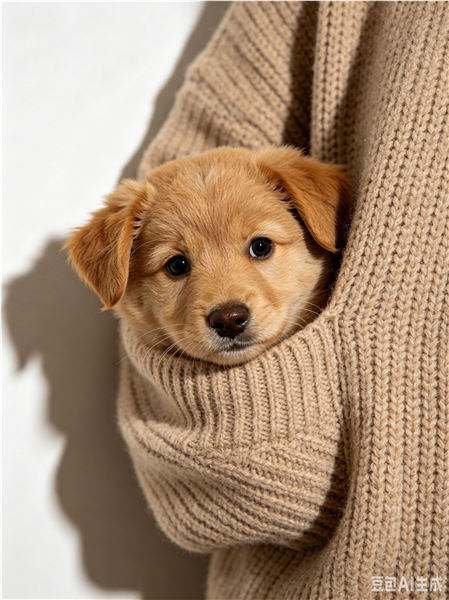
Temperament is another area where subtle differences may appear, though both types are renowned for being affectionate, intelligent, and eager to please. Standard Teddies often exhibit a slightly more independent and confident demeanor, a trait linked to their historical roles as all-around farm dogs and hunters of small game. They are highly trainable and can excel in obedience and various dog sports. Miniature Teddies are equally intelligent but can sometimes be more sensitive and form extremely close bonds with their primary caregiver. They are quintessential lap dogs, craving constant companionship. However, this sensitivity means they may be more prone to separation anxiety if left alone for extended periods. Proper socialization from a young age is crucial for both types to ensure they grow into well-adjusted adults, but Miniatures may need extra gentle exposure to new people and environments to build confidence.

When it comes to grooming, the commitment is similar in nature but varies in scale. Both Mini and Standard Teddies have a double coat—a soft, dense undercoat and a wiry, water-resistant outer coat. They are considered low-shedding but require regular maintenance to prevent matting. This includes brushing several times a week and professional grooming (clipping or hand-stripping) every 4 to 8 weeks. Naturally, grooming a Standard Teddy takes more time and product due to their larger surface area, which can translate to higher grooming costs over the dog's lifetime. Dental care is paramount for both, but small breeds like the Mini Teddy are often more susceptible to dental issues, making daily tooth brushing a non-negotiable part of their care routine.
Health considerations also have a size-related component. Standard Teddies, being mid-sized dogs, are generally robust but can be predisposed to conditions common to many breeds, such as hip dysplasia, certain eye disorders, and allergies. Their larger size means joint stress is a factor to monitor, especially as they age. Miniature Teddies, due to their tiny structure, face a different set of potential health challenges. They can be more prone to luxating patellas (slipping kneecaps), dental overcrowding, hypoglycemia (low blood sugar, especially in puppies), and tracheal collapse. Responsible breeding practices that prioritize health over extreme miniaturization are critical for the Miniature variety. The lifespan for both types is relatively long, often ranging from 12 to 16 years, with proper care.
Choosing between a Mini and a Standard Teddy ultimately depends on your lifestyle, living situation, and personal preferences. A Standard Teddy is an excellent choice for active individuals or families with older children who can match its energy level. They make great companions for hiking, jogging, and outdoor adventures. Their sturdier build can also be more forgiving with the enthusiastic handling of respectful children. A Miniature Teddy is ideal for city dwellers, seniors, or those with a more sedentary lifestyle who still desire an active and engaging pet. They are perfect travel companions and cuddle buddies. However, their small size makes them fragile, so they may not be suitable for households with very young children who might accidentally injure them.
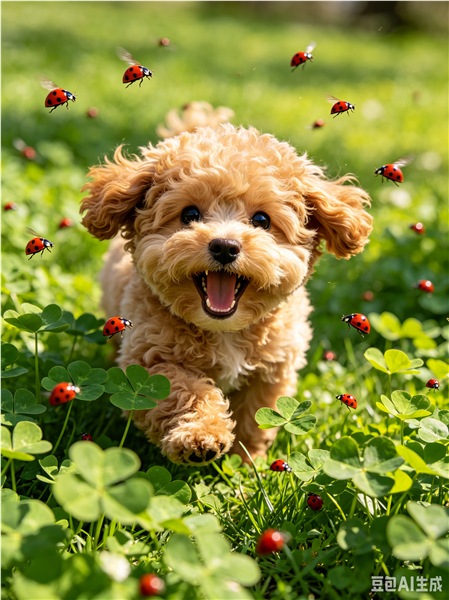
In conclusion, while both the Miniature and Standard Teddy share the core qualities that make the "Teddy" type so irresistible—intelligence, loyalty, and a hypoallergenic coat—their differences in size, energy, and care nuances are substantial. The Standard Teddy offers a more robust, active partnership, while the Miniature Teddy provides ultimate portability and an intensely close companion bond. By understanding these key differences, you can make an informed decision and ensure you select the Teddy body type that will harmonize perfectly with your life, leading to a joyful and fulfilling relationship for years to come. Remember, regardless of size, every Teddy deserves a committed owner ready to provide love, training, proper veterinary care, and a lifetime of devotion.