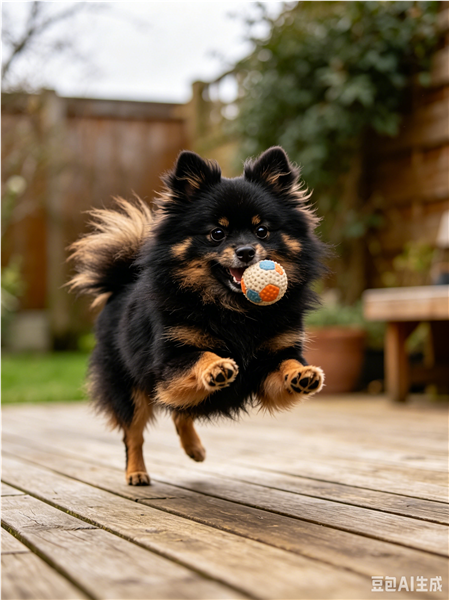
The Pomeranian, with its luxuriously fluffy coat and fox-like expression, is one of the most visually distinctive toy dog breeds. That magnificent mane isn't just for show; it's a marvel of canine biology and selective breeding. The underlying scientific principle behind that impressive fluff suddenly becomes clear when we examine the structure, function, and genetics of the Pomeranian coat. It's a story of adaptation, artistry, and dedicated care.
At the heart of the Pomeranian's fluff is its double coat. This is a two-layered system designed for insulation and protection. The outer layer, known as the guard hair or topcoat, consists of longer, straight, and glossy hairs that repel water and dirt. Beneath this lies the dense, soft, and woolly undercoat. This undercoat is the secret to the Pomeranian's volume. It acts as a thermal regulator, trapping a layer of air close to the skin to keep the dog warm in cold weather and, paradoxically, helping to keep it cool by insulating against heat. The density and texture of this undercoat are what create the characteristic "puffball" appearance.
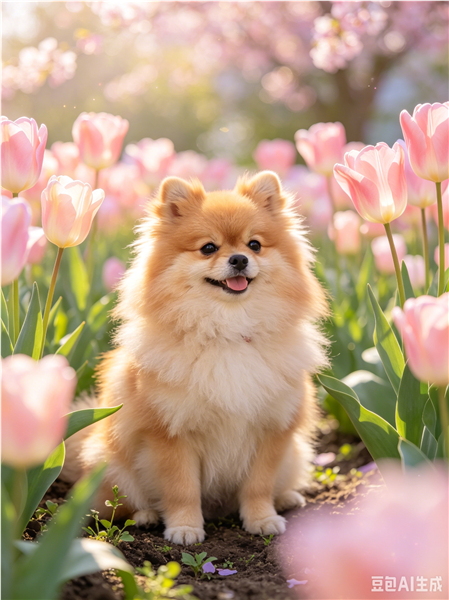
The development of this coat is heavily influenced by genetics. Breeders have selectively enhanced traits for a profuse, stand-off coat over centuries. Specific genes control hair follicle density, hair shaft thickness, growth cycles, and texture. The Pomeranian's ancestors were much larger Arctic sled dogs, like the German Spitz, which possessed dense double coats for survival in harsh climates. As the breed was miniaturized, the extravagant coat remained and was even exaggerated, becoming a key breed hallmark. The typical "puppy uglies" phase, where a Pom loses its soft puppy coat between 4-10 months, is a dramatic demonstration of this genetic programming in action as the adult coat grows in.
Coat texture and growth are also governed by hormones and nutrition. Thyroid hormones play a significant role in the health and growth cycle of the fur. A diet rich in high-quality animal proteins, essential fatty acids (like Omega-3 and Omega-6), vitamins (especially Biotin and Vitamin E), and minerals (like zinc) provides the building blocks for strong, resilient hair shafts and healthy skin. Dehydration or poor nutrition will directly result in a dry, brittle, and less fluffy coat.
The role of grooming cannot be overstated in achieving and maintaining the signature fluff. Regular brushing is not merely cosmetic; it is essential for coat health. Brushing several times a week with the right tools—a slicker brush and an undercoat rake—serves multiple scientific purposes. It distributes natural skin oils (sebum) along the hair shafts, which adds shine and water resistance. It prevents the dense undercoat from matting, which can pull on the skin, cause discomfort, and create a breeding ground for moisture and bacteria. Most importantly, it removes loose, dead undercoat hair. Without regular brushing, this dead hair becomes trapped, compressing the live undercoat and making the coat appear flat and matted instead of full and fluffy.
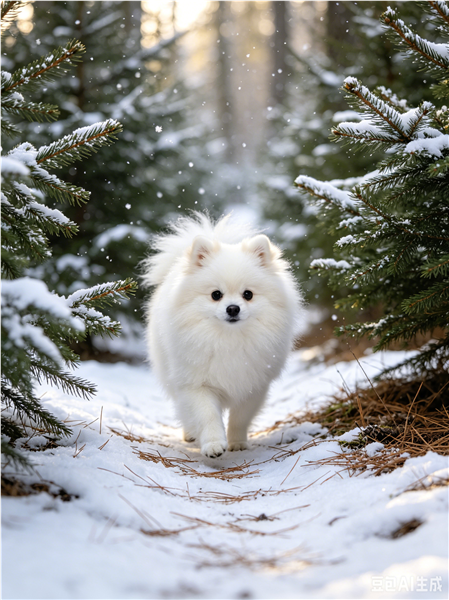
Bathing, when done correctly, also contributes to fluff. Using a mild, moisturizing shampoo followed by a conditioner helps maintain the hair's integrity. The critical scientific step is thorough, blow-drying while brushing. Air-drying allows the weight of the water to stretch the hair shafts, often leaving the coat straight and limp. Using a blow dryer on a cool or warm setting while gently brushing the coat upright allows each hair to dry in its natural, lifted position, maximizing volume and fluff from the skin outward.
Shedding is a natural and necessary process linked to the hair growth cycle. Pomeranians typically "blow coat" or shed heavily twice a year, usually in the spring and fall, in response to changes in daylight. This is the body's way of adapting the coat's density to the upcoming season. During a coat blow, the dense undercoat is shed in clumps. This process, while messy, is healthy. It makes room for new growth and ensures the insulation properties of the coat are seasonally appropriate. Stress, illness, or hormonal imbalances can cause abnormal shedding patterns.
The fluff also serves practical functions. Beyond temperature regulation, the thick ruff of fur around the neck offers some protection. The stand-off nature of the coat helps prevent minor skin abrasions and can make it more difficult for parasites to reach the skin. The coat's color and texture are also a result of complex genetics, with different colors sometimes having subtle variations in coat texture.
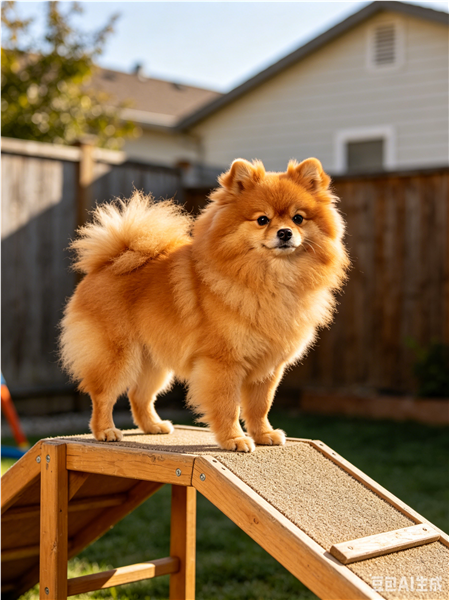
Understanding these principles transforms grooming from a chore into a fascinating interaction with your dog's biology. It explains why shaving a Pomeranian is strongly discouraged. Shaving damages the hair shafts, can disrupt growth cycles, and removes the vital insulating undercoat, compromising the dog's ability to regulate its body temperature and protect its skin. The coat may not grow back with the same texture or quality.
In conclusion, the Pomeranian's fluffy fur is not a simple aesthetic feature. It is a complex, biologically engineered system with deep roots in the breed's history. The fluff is the product of a specialized double coat structure, precise genetic coding, influenced by nutrition and hormones, and meticulously maintained through informed grooming practices. The principle is clear: that magnificent cloud of fur is a dynamic, living organ—a testament to evolution and selective breeding—that requires understanding and care to keep the Pomeranian healthy, happy, and spectacularly fluffy.