For many prospective and current dog owners in China, a common belief persists that the indigenous Chinese rural dog, often affectionately called the "tu gou" or "native dog," is a low-maintenance breed that miraculously doesn't shed its fur. This widespread misconception leads to surprises and challenges when the inevitable molting season arrives. The truth is, all dogs with hair shed to some degree, and Chinese rural dogs are no exception. This article aims to provide a comprehensive, scientific popularization of the real hair removal characteristics of these beloved native canines, dispelling myths and offering practical knowledge for better care.
Shedding, or molting, is a natural and healthy process for dogs. It is the way their bodies remove old, damaged, or loose hair to make way for new growth. The coat of a dog serves as insulation, protection from the elements, and even a barrier against minor injuries. The shedding cycle is influenced by a complex interplay of factors including genetics, health, and most significantly, photoperiod—the length of daylight hours.
The Biology of the Canine Coat and Shedding Cycle
To understand why Chinese rural dogs shed, we must first look at canine biology. Dogs typically have a primary coat of guard hairs and a secondary undercoat. The Chinese rural dog, having evolved and adapted to various climates across China, often possesses a double coat. This double coat is highly efficient: the dense, soft undercoat provides insulation, while the longer, coarser guard hairs repel water and dirt. It is this very undercoat that is responsible for the majority of "blowing coat" or heavy seasonal shedding.
The shedding cycle is regulated by hormones that respond to changes in daylight. As days lengthen in spring and summer, dogs shed their thick winter undercoat to stay cool. Conversely, as daylight shortens in autumn, they shed their lighter summer coat and grow a denser winter one. Even primarily indoor dogs, whose exposure to natural light cycles may be muted, will still experience this cycle, though it might be less pronounced or more constant throughout the year.
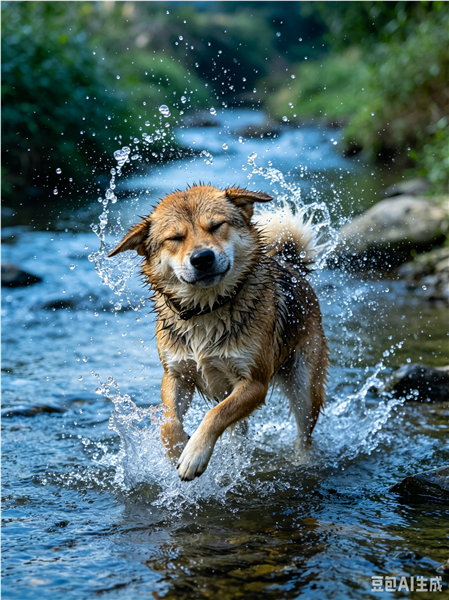
Factors That Influence Shedding in Chinese Rural Dogs
While all Chinese rural dogs shed, the amount and frequency can vary widely based on several key factors:
1. Genetics and Lineage: The term "Chinese rural dog" encompasses a vast and diverse gene pool, not a single standardized breed. Dogs from northern, colder regions may have developed thicker double coats and thus have more pronounced seasonal sheds. Those from southern, warmer climates might have a shorter, single coat that sheds more lightly but consistently year-round.
2. Health and Nutrition: A dog's coat is a direct reflection of its internal health. Deficiencies in essential fatty acids (like Omega-3 and Omega-6), proteins, vitamins, and minerals can lead to a dull, brittle coat that sheds excessively. Underlying health issues such as allergies, hormonal imbalances (e.g., thyroid problems), skin infections, or parasites (fleas, mites) can also trigger abnormal hair loss.
3. Stress and Environment: Significant stress, such as a change in home, the arrival of a new family member, or loud noises, can cause a temporary increase in shedding. The indoor environment—particularly dry, heated air in winter or constant air conditioning in summer—can disrupt the natural coat cycle and lead to more consistent, low-level shedding.
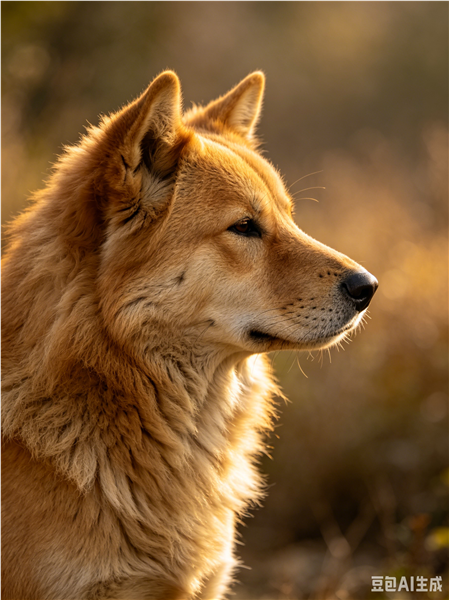
4. Age and Hormonal Status: Puppies will shed their soft baby coat as they mature. Senior dogs may experience changes in coat quality and shedding patterns. Unspayed females will often have a shed following their heat cycle due to hormonal fluctuations.
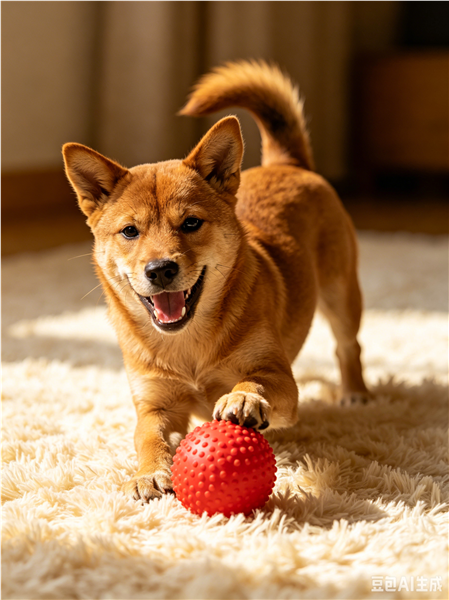
Debunking the "Non-Shedding" Myth
The myth likely stems from observations of short-haired Chinese rural dogs and comparisons with heavily shedding breeds like Huskies or German Shepherds. Their shedding may be less visually dramatic in terms of clumps of fur, but the short hairs can be more pervasive, embedding themselves in fabrics and being harder to remove from furniture. No dog breed is truly non-shedding; some, like Poodles, shed hair that gets caught in their curly coat rather than falling out, requiring regular clipping. Chinese rural dogs do not have this type of hair structure.
Practical Management and Grooming Strategies
Accepting that shedding is normal is the first step. The goal is management, not elimination. Here are effective strategies for Chinese rural dog owners:
1. Regular and Appropriate Brushing: This is the single most important tool for managing shedding. For a typical double-coated rural dog, a undercoat rake or a deshedding tool is invaluable, especially during peak shedding seasons. Brushing 2-3 times a week (daily during heavy sheds) removes loose hair before it hits your floor, distributes natural skin oils for a healthier coat, and stimulates blood circulation. For shorter-coated varieties, a rubber grooming mitt or a bristle brush works well.
2. Optimal Nutrition: Feed a high-quality, balanced diet appropriate for your dog's age and activity level. Consider consulting a veterinarian about adding a supplement rich in Omega fatty acids, which can promote skin health and a resilient, shiny coat, potentially reducing excessive shedding caused by poor nutrition.
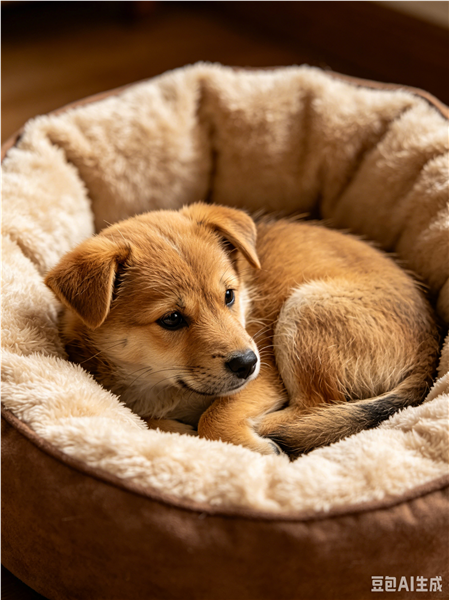
3. Proper Bathing Routine: Bathing your dog with a mild, dog-specific shampoo can help loosen and remove dead hair. However, over-bathing can strip essential oils and dry out the skin, leading to more shedding. A bath every 4-8 weeks is generally sufficient for most Chinese rural dogs, unless they get particularly dirty.
4. Environmental Control: Use a good quality vacuum cleaner designed for pet hair. Employ air purifiers with HEPA filters to capture airborne dander and hair particles. Providing your dog with a designated, washable bed can also concentrate shed hair in one manageable area.
5. Regular Health Check-ups: Schedule annual veterinary exams to rule out any medical causes for excessive shedding. Promptly address any signs of skin irritation, bald patches, or behavioral changes.
When to Be Concerned: Abnormal Shedding
While shedding is normal, certain signs indicate a potential health problem requiring veterinary attention:
- Symmetrical Bald Patches: Especially on the flanks, which can indicate hormonal issues.
- Itching, Redness, or Sores: Signs of allergies, parasites, or infection.
- Thinning Coat or Baldness that is not symmetrical.
- Excessive Shedding accompanied by lethargy, weight changes, or other systemic symptoms.
- Sudden, patchy hair loss with no apparent seasonal cause.
In conclusion, the Chinese rural dog, a resilient and adaptable companion, is subject to the same biological rules as any other dog. They do shed, and their shedding patterns are a natural part of their life cycle and adaptation to the environment. By understanding the science behind their coat, recognizing the factors that influence shedding, and implementing a consistent care routine centered on proper grooming, nutrition, and health monitoring, owners can seamlessly manage this aspect of pet ownership. Let's move past the misconception and appreciate these wonderful dogs for what they are—loyal companions with normal, manageable canine traits. Embracing this reality allows for a more prepared and harmonious life with your faithful native friend.