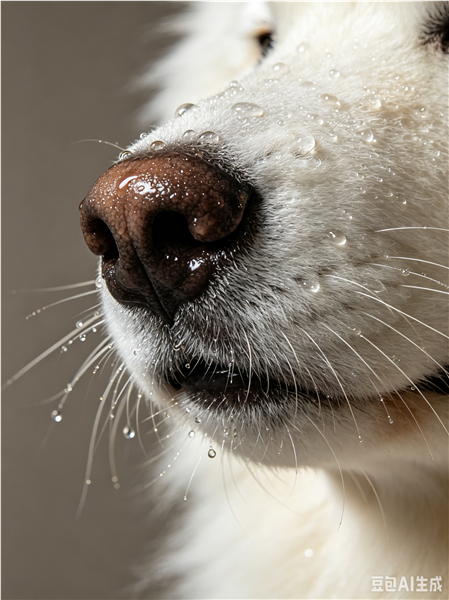
Have you ever seen a dog that seems to be perpetually smiling, with a fluffy white coat that radiates pure joy? If so, you've likely encountered a Samoyed. This majestic Arctic breed is universally known by a heartwarming nickname: the "Smiling Angel." But have you ever wondered why? The origin of this endearing title is a delightful blend of anatomy, temperament, and history, making the Samoyed one of the most distinctive and beloved dog breeds in the world.
The most immediate and visible reason for the "smile" is the unique physical structure of the Samoyed's mouth and eyes. Samoyeds have what is often described as "smile lines." The corners of their mouths naturally curve upwards, a feature accentuated by the contrast of their black lips against their brilliant white fur. This upturned curve is not just for show; it served a practical purpose in their ancestral environment. In the freezing temperatures of Siberia, this facial structure helped prevent icicles from forming by allowing drool to drip from the sides of the mouth rather than freezing on the chin. Furthermore, their dark, almond-shaped eyes are set in a slightly upturned manner, often sparkling with intelligence and mischief, which completes the expression of gentle happiness. When a Samoyed pants lightly, this natural curvature becomes even more pronounced, creating that iconic, camera-ready grin that melts hearts instantly.
Beyond mere anatomy, the "angelic" part of their nickname is deeply rooted in their temperament and historical role. Samoyeds are named after the Samoyedic peoples of Siberia, who bred them for centuries. These dogs were not just workers; they were integral members of the family and the community. They served as versatile helpers—pulling sleds, herding reindeer, and guarding camps. Crucially, they also slept alongside their human companions, providing warmth in the brutally cold Arctic nights. This close, symbiotic relationship required a dog of exceptional gentleness, patience, and trustworthiness. Aggression or skittishness would have been disastrous in such intimate living conditions. Therefore, the Samoyedic peoples selectively bred for dogs with a stable, friendly, and affectionate disposition. This centuries-long breeding for companionship forged a breed with an inherently sweet, gentle, and people-oriented nature—truly angelic in their devotion and tolerance, especially with children.
The combination of their physical "smile" and their serene, loving personality creates a powerful illusion of constant happiness. They are known for their almost laugh-like "woo woo" vocalizations and their eagerness to be involved in all family activities. Their expression is not a trained trick but a genuine reflection of their generally content and optimistic outlook. This cheerful demeanor is so consistent that it has become their defining characteristic, easily distinguishing them from other spitz-type breeds.
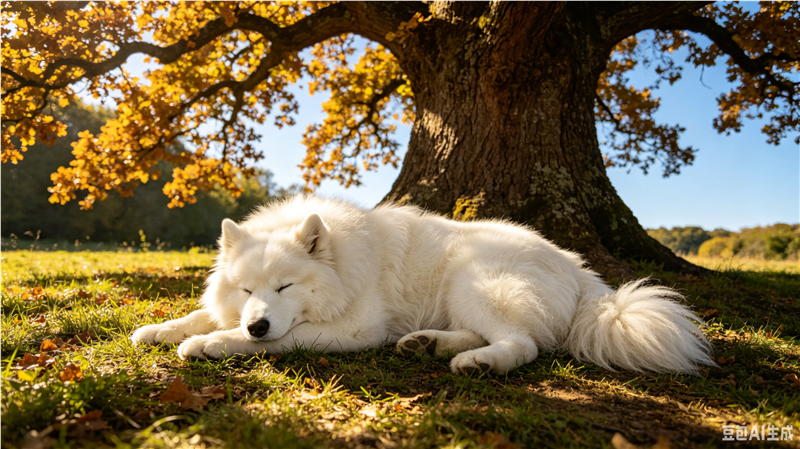
Delving deeper into some cool, lesser-known facts about Samoyeds further cements their special status. Did you know that their famous white, double-layer coat is not just for beauty? The dense undercoat provides incredible insulation, while the longer, harsher guard hairs repel snow and moisture. This coat also has a unique texture that lacks doggy odor. Their tails are another distinctive feature: carried curled over the back when alert, they serve as a warm, fluffy blanket to cover their nose and face while sleeping, protecting them from frostbite. Historically, explorers like Sir Ernest Shackleton and Robert Falcon Scott used Samoyeds on their Antarctic expeditions due to their incredible strength, endurance, and resilience in extreme cold.
However, the "Smiling Angel" title also comes with responsibilities for potential owners. That smile is a gateway to a stubborn and independent streak inherited from their working dog lineage. They are intelligent but not necessarily eager to please in the way a Golden Retriever might be; training requires patience, consistency, and positive reinforcement. Their boundless energy needs significant daily exercise, or that angelic smile might turn to destructive boredom. Most notably, that gorgeous coat demands a heroic commitment to grooming. Regular, thorough brushing is essential to prevent matting and to manage the prodigious amount of shedding, especially during seasonal "blowouts" of their undercoat.
In modern times, the Samoyed's smile has become their global trademark. It lights up social media feeds, advertising campaigns, and family homes. Their appearance seems to exude warmth and kindness, making them excellent therapy dogs. The smile disarms strangers and brings comfort, living up to their angelic moniker in hospitals, nursing homes, and stressful environments.
In conclusion, the Samoyed's title of "Smiling Angel" is a perfect encapsulation of their essence. It is a testament to a happy accident of anatomy—the upturned mouth that served a practical function in the snow—combined with a soul forged over centuries of companionship, loyalty, and gentle service. Their smile is genuine, a reflection of a breed bred for friendship and resilience. It reminds us that true beauty lies in a combination of joyful appearance and a benevolent spirit. So, the next time you see a Samoyed flashing its brilliant, toothy grin, remember you're not just looking at a cute dog; you're witnessing the living legacy of an Arctic companion whose very face tells a thousand-year story of partnership, survival, and unwavering, angelic joy.
Their history as working dogs alongside the Samoyedic tribes cannot be overstated. These nomadic peoples relied entirely on their reindeer herds and their dogs for survival in one of the planet's harshest climates. The dogs were so valued that they were often traded as currency. The close sleeping arrangements for warmth created an unprecedented level of bonding and trust between human and dog, a relationship dynamic that is rare in the history of canine domestication. This is likely the foundational reason for the Samoyed's exceptional sensitivity to human emotions and their strong desire to be near their people at all times. They are not backyard dogs; they are velcro dogs who thrive on inclusion.
Another fascinating cold knowledge point is the variety within the breed's smile. Some Samoyeds have a more pronounced, wide "grin," while others have a subtler, closed-mouth upturn. The classic "Sammy smile" is often displayed when they are excited, greeting their family, or after a good play session. It's a sign of contentment and relaxation. Observant owners can learn to read the nuances in their Samoyed's expression, distinguishing the happy smile from the tired pant or the curious sniff.
The breed's influence extends beyond pet ownership. Their genetic legacy is part of other modern breeds. The cheerful and resilient spirit of the Samoyed, wrapped in that deceptively simple smile, continues to conquer hearts worldwide. It serves as a daily reminder of the profound and joyful bond possible between humans and dogs—a bond built on mutual survival that evolved into pure, angelic love.