Why is the Pomeranian called the 'Squirrel Dog'? An interesting science explanation
The Pomeranian, with its fluffy coat, bright eyes, and spirited personality, is one of the world's most beloved toy dog breeds. Yet, many enthusiasts and even owners often hear them affectionately or curiously referred to as "Squirrel Dogs." This nickname isn't merely a cute comparison; it has roots in the breed's history, physical conformation, and even behavioral science. This article delves deep into the fascinating reasons behind this moniker, exploring the Pomeranian's journey from a larger sled dog to the diminutive companion we know today, and the specific traits that link it to the agile, bushy-tailed tree dweller.
Historical Origins and the Downward Size Transformation
To understand the 'Squirrel Dog' nickname, we must first travel back in time. The Pomeranian's ancestors were much larger Spitz-type dogs from the Arctic regions of Iceland and Lapland, used for herding and pulling sleds. They were robust, weighing up to 30-50 pounds. The breed's name comes from the Pomerania region (now part of Poland and Germany), where they were selectively bred down in size. This miniaturization process, heavily favored by European nobility in the 18th and 19th centuries, particularly by Britain's Queen Victoria, aimed at creating a perfect lapdog. The goal was to retain the classic Spitz features—a thick double coat, a plumed tail that curls over the back, and a fox-like expression—but in a tiny package. This dramatic reduction in body size, while keeping a relatively large, fluffy tail and a dense ruff of fur around the neck, created a silhouette that, to many observers, bore a striking resemblance to a tree squirrel. The compact body paired with an exaggeratedly fluffy tail became a key visual trigger for the comparison.
Anatomical and Physical Similarities: A Side-by-Side Analysis
The core of the 'Squirrel Dog' analogy lies in direct physical parallels. Let's break down the anatomical similarities between a typical Pomeranian and a common tree squirrel (e.g., the Eastern gray squirrel).
1. The Tail: The Defining Feature
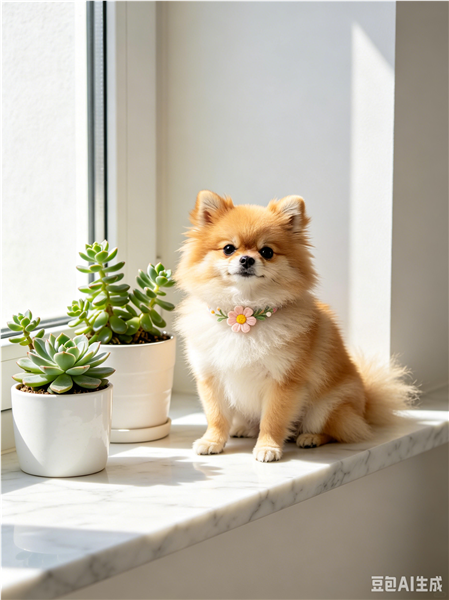
This is the most prominent point of comparison. Both Pomeranians and squirrels possess a long, bushy, plume-like tail. In squirrels, the tail serves critical functions for balance during leaps, communication, and warmth. In Pomeranians, the tail is a hallmark of the breed standard; it is set high and lies flat and straight over the back. When the dog is moving or alert, the tail fans out, creating a magnificent, squirrel-like plume. The density and texture of the fur enhance this resemblance significantly.
2. Body Proportions and Posture
Pomeranians have a compact, square-proportioned body with a light, graceful gait. When they sit upright on their hindquarters, often to beg or observe their surroundings, their posture can be remarkably squirrel-like. They tuck their front paws close to their chest, and with their alert expression and perky ears, the mimicry is uncanny. Squirrels famously sit in this upright posture while handling food.
3. The Ruff and Coat Texture
Pomeranians have a pronounced ruff—a thick mane of fur around the neck and chest—which is part of their double coat. This ruff frames their face and, when combined with their slightly pointed muzzle, can create a visual profile that echoes the fuller cheek appearance of a squirrel, especially when squirrels are storing nuts. The overall coat is dense, harsh to the touch on the outer layer, and soft underneath, similar to the protective fur of a squirrel.
4. Size and Agility
Modern Pomeranians typically weigh between 3 to 7 pounds. This tiny, lightweight stature allows for quick, darting movements. Their agility and speed, while not on par with a wild squirrel, are notable for a toy breed. This combination of small size and quick, sometimes jerky movements reinforces the comparison to the nimble rodent.
Behavioral and Temperamental Parallels
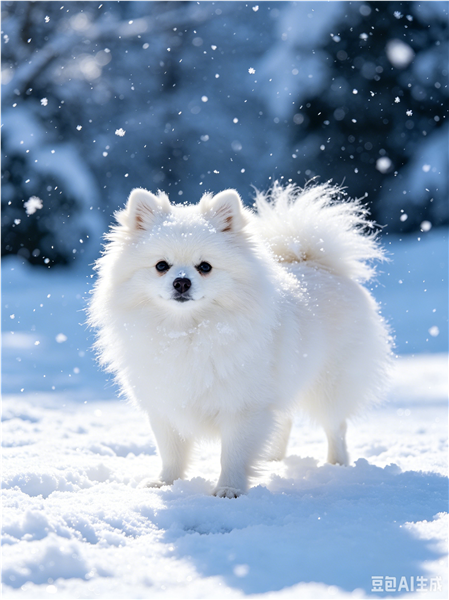
Beyond looks, certain behaviors strengthen the 'Squirrel Dog' connection. Pomeranians are known for being exceptionally alert, curious, and energetic. They are often described as having a 'big dog' personality in a small body—they are bold, vocal, and highly aware of their environment. This constant state of alertness, with quick head movements and sharp, barking alerts at new sounds or sights, is reminiscent of a squirrel's hyper-vigilant nature. Both are constantly surveying their territory for opportunities and threats. Furthermore, their playfulness and tendency to hoard toys (or sometimes food) in their beds or favorite spots playfully mirror a squirrel's caching behavior.
The Fox Face Pomeranian: A Different Branch of the Comparison
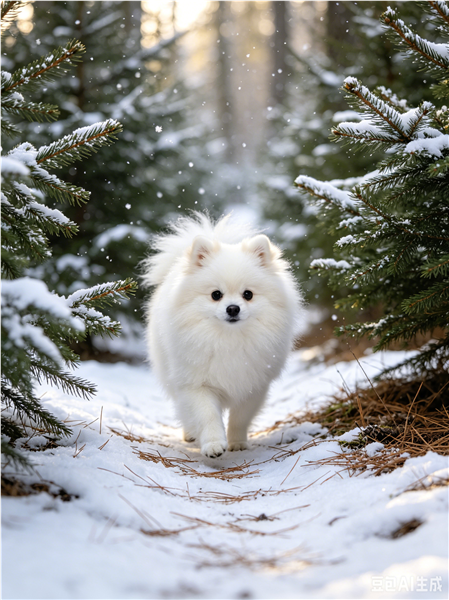
It's important to note that within the breed, there is a distinction often made between the "Fox Face" Pomeranian and the more modern "Teddy Bear" or "Baby Doll" face. The Fox Face Pom has a longer, more pronounced muzzle, closer to the breed's original standard. This type is often the one most directly compared to a squirrel due to its sharper, more tapered facial structure that aligns closely with a squirrel's facial shape. The trend towards extremely short muzzles, while popular, distances the dog from the classic squirrel-like visage.
Scientific and Evolutionary Perspective: Convergent Traits
From a scientific standpoint, the similarities between Pomeranians and squirrels are a classic example of convergent traits—where unrelated species develop similar features, often due to analogous environmental or lifestyle pressures, though in this case, the pressure was human selective breeding. For squirrels, a bushy tail and compact body are evolutionary adaptations for arboreal life. For Pomeranians, these traits were selectively bred for aesthetic appeal. The result is a fascinating case of artificial selection (in dogs) mirroring the outcomes of natural selection (in squirrels), leading to analogous morphology that the human brain easily associates.
Cultural Adoption of the Nickname
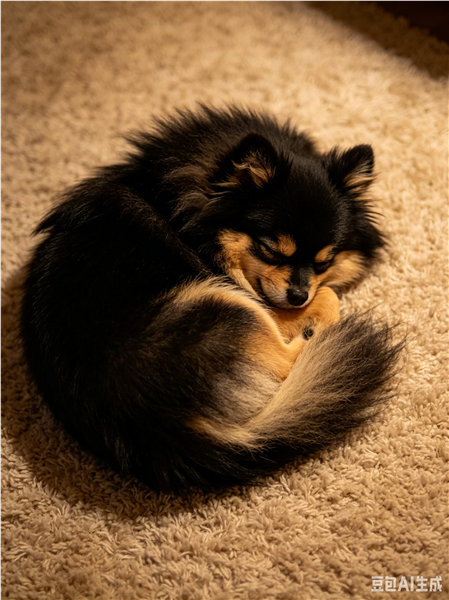
The nickname "Squirrel Dog" has been used colloquially for decades in various dog-loving communities. It's a term of endearment that captures the breed's charming and whimsical nature. Breeders and fanciers sometimes use it to describe Poms that particularly exemplify the classic body and tail structure. It has permeated popular culture, appearing in informal breed descriptions, social media hashtags (#squirreldog), and everyday conversation among pet owners.
Conclusion: More Than Just a Cute Name
Calling a Pomeranian a 'Squirrel Dog' is far more than a superficial label. It is a nod to a specific set of historical, anatomical, and behavioral truths about the breed. From their scaled-down Spitz heritage that accentuated tail and coat volume to their alert posture and lively demeanor, the Pomeranian embodies a collection of traits that irresistibly remind us of the clever, bushy-tailed squirrel. This nickname enriches our understanding and appreciation of the breed, highlighting the fascinating outcomes of canine genetics and selective breeding. So, the next time you see a Pom sitting upright, tail fanned over its back, eyes bright with curiosity, you'll see not just a beloved pet, but a living testament to a unique and interesting scientific comparison.
Understanding these connections allows owners and admirers to appreciate the depth behind the Pomeranian's charming exterior. Their resemblance to squirrels is a delightful quirk of their breed development, making them one of the most distinctive and scientifically interesting companions in the canine world. Whether you call them Poms, Pom Poms, Zwergspitz, or Squirrel Dogs, their captivating essence remains the same—a tiny bundle of intelligence, courage, and fluffy charm.