Why Are Teddy's Eyes Always Wet? Unraveling the Mystery
If you're a Teddy owner, you've likely noticed those damp streaks beneath your furry friend's eyes. This common issue, often leading to unsightly reddish-brown tear stains, is a source of concern for many pet parents. While a small amount of eye moisture is normal, excessive wetness can indicate underlying problems. This comprehensive guide delves into the science behind watery eyes in Teddy dogs, exploring causes, solutions, and preventive care to keep your companion healthy and comfortable.
Understanding the Tear System in Dogs
Just like humans, dogs have a lacrimal system responsible for producing tears. Tears are essential for lubricating the eyes, supplying oxygen and nutrients to the cornea, and washing away debris. The system involves tear glands that produce fluid, ducts that drain the excess tears into the nose and throat. When this drainage system is inefficient or overwhelmed, the tears overflow onto the face, a condition known as epiphora. Teddy dogs, with their specific facial structure, are particularly prone to this overflow.
Common Causes of Watery Eyes in Teddy Dogs
1. Anatomical and Breed-Specific Factors
Teddy dogs, often referring to Toy Poodles or similar small breeds with a "Teddy Bear" cut, have prominent eyes and shallow eye sockets. This brachycephalic-like feature (though not as extreme as in pugs) can prevent proper tear drainage. Additionally, hair around the eyes can wick moisture onto the face and irritate the cornea, stimulating more tear production. The shape and size of the tear ducts themselves can also be a factor; some Teddys may have congenitally narrow or blocked nasolacrimal ducts.
2. Eye Irritation and Foreign Bodies
Dust, pollen, smoke, or even tiny particles of dirt can irritate your Teddy's sensitive eyes. This irritation triggers a reflexive increase in tear production to flush out the offender. Long facial hair can easily introduce debris into the eye. Eyelash disorders, such as distichiasis (extra eyelashes growing inward), are another painful source of chronic irritation that leads to constant tearing and requires veterinary attention.

3. Infections and Health Conditions
Bacterial or viral infections like conjunctivitis (pink eye) are a primary cause of discharge and excessive tearing. The discharge may change from clear and watery to thick, yellow, or green. Other medical issues include glaucoma (increased pressure inside the eye), corneal ulcers (scratches on the eye's surface), and entropion (a condition where the eyelid rolls inward, causing eyelashes to rub against the cornea). Allergies to food, environmental factors, or certain materials can also manifest as itchy, watery eyes.
4. Dietary Influences
The quality of your Teddy's diet plays a significant role. Low-quality commercial foods with artificial additives, colors, and preservatives can contribute to inflammation and allergic reactions. Some experts suggest that minerals in tap water, particularly iron, can interact with tears and intensify the red pigment in tear stains. Food allergies to common proteins like chicken or beef can also cause systemic inflammation, including in the tear ducts and glands.
5. Blocked Tear Ducts
This is a mechanical issue where the tiny tubes that drain tears from the eyes to the nose become obstructed. The blockage can be due to inflammation, scar tissue from past infections, or a congenital defect. When ducts are blocked, tears have nowhere to go but spill over the eyelids and run down the face.
The Science Behind Tear Stains
The wetness itself isn't the only problem; it leads to tear stains. Tears contain a pigment called porphyrin, which contains iron molecules from the breakdown of red blood cells. When tears sit on light-colored fur for extended periods, porphyrin oxidizes and leaves behind those characteristic reddish-brown stains. The fur remains constantly damp, creating a perfect environment for yeast and bacteria to grow, which can worsen the stain and cause skin infections or odor.
Effective Cleaning and Daily Care Routine
Regular maintenance is crucial. Use a soft, damp cloth or a vet-approved eye wipe to gently clean the area around the eyes daily. Always wipe from the inner corner outward. Keep the hair around the eyes trimmed short to prevent it from poking the eye and wicking tears. For existing stains, you can use a solution of boric acid powder (found in eye wash products) mixed with water, but always consult your vet first. Never use human makeup removers or harsh chemicals near your dog's eyes.
Dietary and Lifestyle Adjustments
Consider switching to a high-quality, hypoallergenic dog food. Look for formulas with novel proteins (like salmon or duck) and without common fillers. Some owners find success with filtered or distilled water to reduce mineral intake. Supplements containing probiotics or specific ingredients like cranberry extract are marketed to improve tear quality and reduce staining, though results vary. Ensure your home environment is clean and free from excessive dust or strong chemical fumes.
When to Visit the Veterinarian
While mild tearing can be managed at home, certain signs warrant a professional examination. Seek veterinary care if you notice: squinting or pawing at the eye, visible redness or swelling, a change in the eye's appearance (cloudiness), thick yellow/green discharge, a foul odor, or if the tearing is sudden and severe. Your vet can perform tests like a fluorescein stain to check for ulcers, measure tear production, or flush the tear ducts to check for blockages. They can prescribe antibiotic ointments, allergy medication, or recommend surgical options for anatomical issues like entropion.

Preventive Measures for Long-Term Eye Health
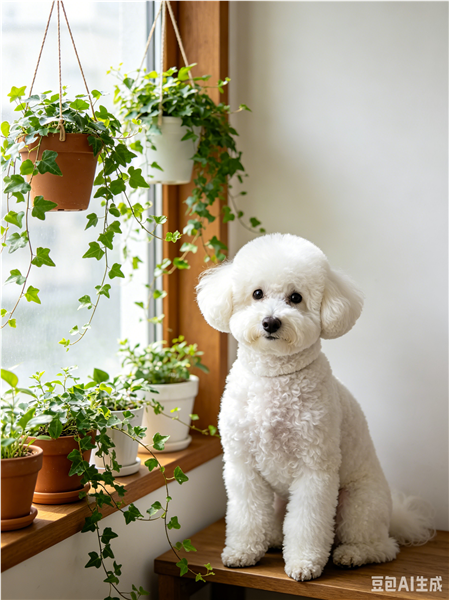
Prevention is always better than cure. Establish a consistent grooming schedule. Choose toys and bedding made from natural, non-irritating materials. Protect your Teddy's eyes from wind and debris during car rides or walks. Regular wellness check-ups allow your vet to monitor eye health proactively. By understanding the root causes and implementing a holistic care plan, you can significantly reduce your Teddy's eye wetness and keep those adorable eyes bright, clear, and healthy for years to come.
In conclusion, a Teddy's perpetually wet eyes are rarely just a cosmetic issue. They are a signal from your pet's body, pointing to potential anatomical traits, environmental irritants, dietary sensitivities, or medical conditions. A proactive and informed approach, combining proper hygiene, nutritional management, and timely veterinary intervention, is key to solving this messy problem. Your dedication not only enhances your Teddy's appearance by eliminating tear stains but, more importantly, ensures their comfort and safeguards their precious vision, strengthening the bond you share with your beloved companion.