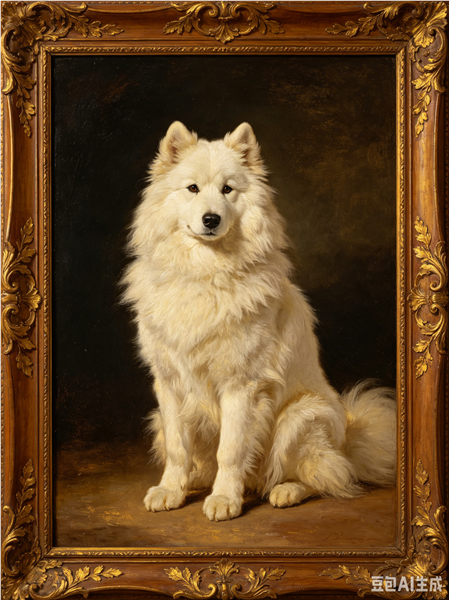
When one pictures a sled dog, the image of a Siberian Husky or an Alaskan Malamute often springs to mind. However, the smiling, fluffy white Samoyed has a history deeply intertwined with snow and sleds. The question "Are Samoyeds naturally suited for pulling sleds?" leads us on a fascinating journey into the breed's origins, its inherent physical and behavioral attributes, and its role in the modern world of dog-powered sports.
The Samoyed breed takes its name from the Samoyedic peoples of Siberia. For centuries, these nomadic tribes relied on their dogs for survival in one of the harshest climates on Earth. The Samoyed was not a single-purpose dog but a versatile partner integral to daily life. Their duties were multifaceted: they were herders for reindeer, vigilant watchdogs, warm companions for children (famously used as living heaters during frigid nights), and, crucially, draft animals for pulling sleds. This last role was essential for transportation across the vast, snow-covered tundra. The dogs were used to haul belongings, supplies, and sometimes people when the nomadic tribes moved camp. Therefore, the propensity and physical capacity for sled pulling are woven into the very fabric of the Samoyed's genetic history. They were bred for strength, endurance, and the ability to work cooperatively in a team—all fundamental traits for a sled dog.
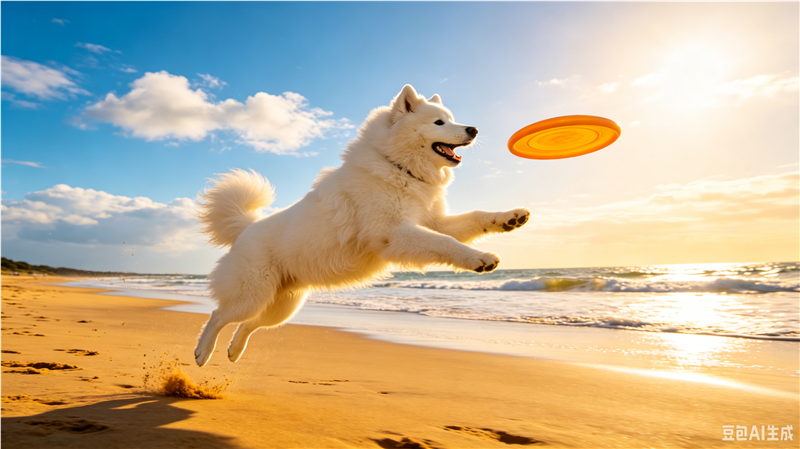
Examining the Samoyed's physical characteristics reveals a body engineered for cold-weather work. Their most famous feature, the dense, double-layered coat, is a masterpiece of insulation. The soft, thick undercoat keeps them warm, while the longer, harsher guard hairs repel snow and moisture. This coat allows them to work and sleep comfortably in sub-zero temperatures that would incapacitate many other breeds. Their build is robust and muscular, yet agile. They possess a deep chest for good lung capacity, strong shoulders, and powerful hindquarters that provide the driving force needed for pulling. Their feet are broad and flat, often described as "snowshoe" feet, which help distribute their weight and prevent them from sinking deeply into soft snow. The tail, carried over the back when alert, serves the practical purpose of covering the nose and face while sleeping, providing extra warmth. Every aspect of their physique points towards an animal adapted for exertion in a snowy landscape.
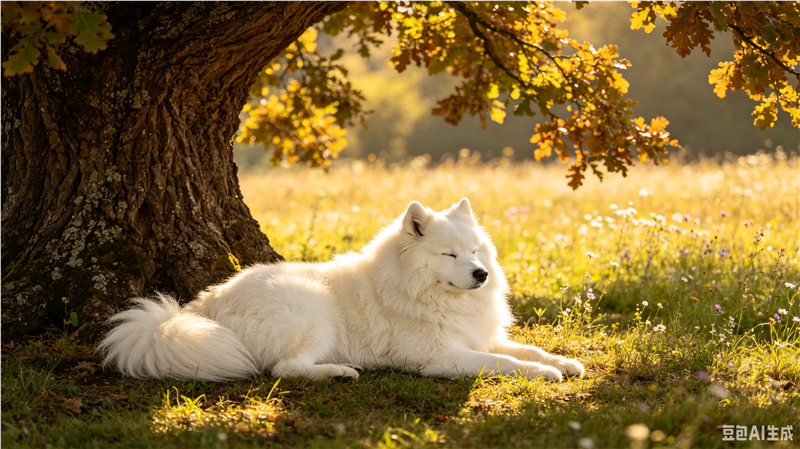
Beyond physique, temperament is perhaps the most critical component of a sled dog's profile. The Samoyed's temperament aligns remarkably well with the demands of sled work. They are known for their intelligence, problem-solving abilities, and eagerness to work alongside humans. Unlike some breeds bred for independent thinking, Samoyeds were developed to work in close cooperation with their people. This translates into a trainable dog that responds well to commands, a necessity for a sled team where coordination is key. Their social nature is also a major asset. Samoyeds are pack-oriented and typically get along well with other dogs, an essential trait for a team that must work in harmony without constant conflict. Perhaps most importantly, they possess remarkable endurance and a strong work ethic. They were bred to pull moderate loads over long distances, not for explosive sprint speed. This "marathon" rather than "sprint" mentality is evident in their steady, determined pace. Their famous "Sammy smile" is not just for show; it reflects a generally cheerful, resilient, and willing disposition, even during arduous tasks.
How does the Samoyed compare to the more famously recognized sled dogs? The Siberian Husky is lighter, built for speed over long distances with lighter loads. The Alaskan Malamute is more massive, a true freight hauler designed for pulling very heavy weights at a slower pace. The Samoyed sits somewhere in between. They are stronger and capable of pulling heavier loads than a Husky but are generally not as heavy-duty as a Malamute. Their historical role was often as an all-purpose draft animal, moving camp supplies and belongings. In modern recreational sledding or skijoring, Samoyeds can excel, particularly in activities that value endurance, teamwork, and a cheerful attitude over pure racing speed. Many Samoyed owners successfully participate in these sports, finding their dogs thrive on the purposeful exercise and partnership.

While the innate potential is undeniable, the modern Samoyed is not automatically a ready-made sled dog. Centuries of selective breeding for companionship have softened some working edges. Not every Samoyed will have a strong pulling drive, though many do retain a powerful instinct to pull, often demonstrated by their love of weight-pulling games or carting. Training is paramount. Starting with basic obedience, progressing to harness training, and gradually introducing the concept of pulling (first with empty sleds or carts) is essential. Positive reinforcement methods work best with this sensitive but willful breed. It's also crucial to consider the dog's health and well-being. Sledding should only be done in cool weather due to their thick coat; they are prone to overheating. Proper conditioning, veterinary check-ups, and attention to paw care are vital. The activity should always be a joyful partnership, not forced labor.
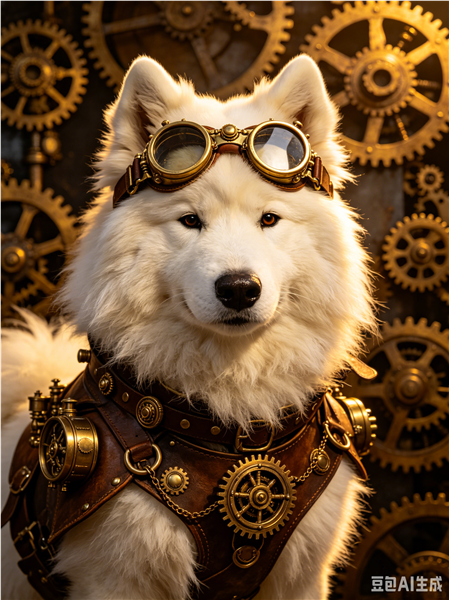
For the contemporary owner, engaging a Samoyed in sledding or related activities like skijoring, bikejoring, or canicross can be immensely rewarding. It channels their natural energy and intelligence into a constructive outlet, preventing boredom and destructive behaviors. It strengthens the bond between dog and owner, built on mutual trust and shared accomplishment. It also honors the breed's rich heritage, connecting the modern pet to the hardy working dogs of the Siberian past. Seeing a team of Samoyeds, their white coats glowing against the snow, pulling a sled with joyful determination, is a sight that beautifully bridges history and present-day passion.
In conclusion, the answer to "Are Samoyeds naturally suited for pulling sleds?" is a resounding yes, from a historical, physical, and temperamental perspective. They were literally born and bred for it. Their genetics are imprinted with the strength, endurance, cold tolerance, and cooperative spirit required for the task. While the expression of these traits may vary in individual dogs today, and training is essential to harness this potential safely and effectively, the Samoyed's soul remains that of a working dog. They are not just fluffy companions but carry within them the legacy of the Arctic, a legacy of partnership, resilience, and joyful work in the snow. For an owner willing to explore this aspect of their personality, sledding can unlock a profound level of fulfillment for both the Samoyed and their human teammate, celebrating the breed's true, original purpose under the vast winter sky.