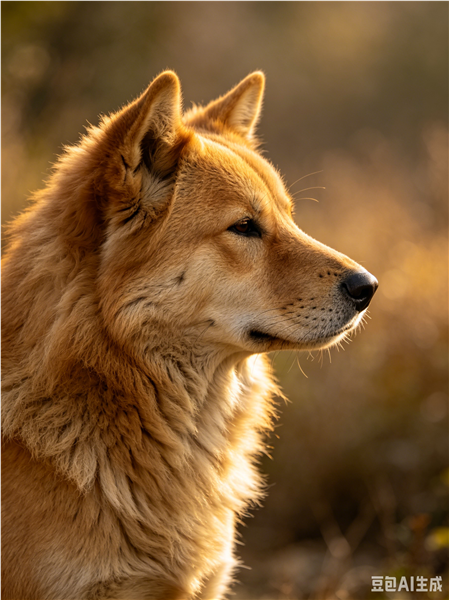
In the vast tapestry of canine breeds, the Chinese Rural Dog, often simply called the native dog or "Tugou," stands as a testament to natural selection and functional utility. Far from being mere strays, these dogs have evolved over centuries alongside human settlements in China, developing a set of traits that make them exceptionally proficient in two critical roles: guarding homes and providing companionship in settings like nursing homes. Their prowess is not a trained affectation but a deep-seated manifestation of their natural instincts, a fascinating subject that bridges canine behavior and popular science.
The history of the Chinese Rural Dog is intertwined with the agrarian and communal life of rural China. Unlike purpose-bred Western breeds, these dogs were shaped by environmental pressures and the needs of the communities they lived with. Their primary roles were protection, vermin control, and companionship. This evolutionary path honed their senses, resilience, and intelligence. They learned to be vigilant, to distinguish between familiar faces and potential threats, and to operate with a degree of independence while remaining loyal to their human family. This background is the cornerstone of their guarding capabilities.
When we speak of their instinct for guarding homes, we refer to a complex behavioral suite. First is their heightened territorial instinct. Chinese Rural Dogs develop a strong attachment to their home environment. They mentally map their territory—the house, the yard, the surrounding lanes—and consider it their duty to patrol and protect it. This is driven by an innate desire to secure resources and ensure the safety of their social group (the human family). Their alertness is remarkable. A slight rustle, an unfamiliar footstep, or an odd scent at night can trigger a low growl or a series of barks, serving as an effective early warning system. Their barking is not mindless noise; it is a calibrated response. It often starts as an alert to the owners and escalates if the perceived threat persists or approaches.
Secondly, their intelligence manifests in situational assessment. While fiercely protective, well-socialized Chinese Rural Dogs are often excellent judges of character. They can often sense the intent and demeanor of a visitor. The postman who comes daily might receive a wary but accepting glance, while a stranger skulking around the perimeter at night will trigger a full-throated alarm. This discernment reduces false alarms and increases their effectiveness as guards. They are also naturally suspicious of strangers, a trait ingrained for survival, making them excellent deterrents simply by their presence and vigilant demeanor.

Beyond physical protection, their role in nursing homes highlights another dimension of their instinctual repertoire: social intelligence and empathetic companionship. The calming presence of a dog is well-documented, but Chinese Rural Dogs offer something unique. Their typically moderate energy levels (compared to high-strung working breeds) and adaptable nature make them suitable for the quieter, structured environment of a care home. Their instinct to be part of a pack translates into forming gentle bonds with residents. They often seem to intuitively understand frailty or sadness, offering quiet companionship by sitting beside a wheelchair or resting a head on a lap.
This empathetic behavior has roots in their social structure as pack animals. They are attuned to the emotional states of their group members. In a nursing home, they seamlessly integrate into the new "pack," providing non-judgmental affection and a sense of routine and purpose for the elderly. For individuals experiencing loneliness or cognitive decline, the simple acts of feeding, gentle petting, or walking the dog can be profoundly therapeutic. The dog's need for care can reinvigorate a sense of responsibility and worth in residents. Furthermore, their guarding instinct remains subtly active; their presence can make residents feel safer, and they will still alert staff to unusual occurrences.
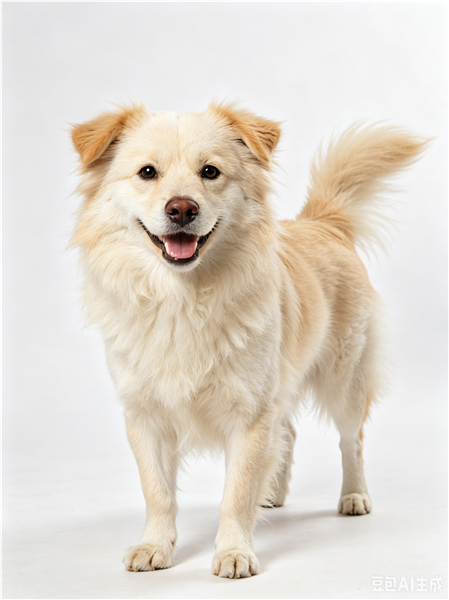
The "popular science" aspect of their natural instincts is captivating. Their guarding behavior can be explained through ethology—the study of animal behavior. Key concepts include:
- Territoriality: An innate drive to define, patrol, and defend an area considered their own to ensure access to food, mates, and safety for the pack.
- Allelomimetic Behavior: The tendency to synchronize activities with group members. In a guarding context, this translates to aligning their alert cycles with the family's routine (e.g., being more vigilant at night when humans sleep).
- Acute Sensory Perception: Generations of living in varied, often challenging environments have selected for dogs with superior hearing, smell, and night vision, making them superb sentinels.
- Social Bonding: The release of oxytocin (the "bonding hormone") during positive interactions between dog and human reinforces loyalty and the protective drive. The dog sees its human family as its pack, worth defending.
- Adaptive Intelligence: Their problem-solving skills and ability to learn from experience (e.g., which behaviors earn praise or stop a threat) make them highly effective and trainable, even with minimal formal training.
Compared to many specialized guard dog breeds that require extensive, professional training and can be overly aggressive, the Chinese Rural Dog offers a more balanced, natural approach. They are typically healthier, hardier, and less prone to the genetic ailments that plague overbred purebreds. Their diet is less fussy, and their exercise needs are often met through patrolling and daily activities. This makes them a low-maintenance, sustainable choice for protection and companionship.
In modern urban settings, these instincts sometimes need gentle guidance. Proper socialization from puppyhood is crucial to ensure their protective nature doesn't become excessive fear or aggression. Exposing them to various people, sounds, and environments teaches them what is normal and what constitutes a real threat. Basic obedience training reinforces the human's role as the pack leader, ensuring the dog's instincts are channeled appropriately. For nursing home integration, selecting dogs with calmer temperaments and a history of gentle behavior is essential, often achieved through partnership with local shelters or rescue groups that understand the breed's traits.
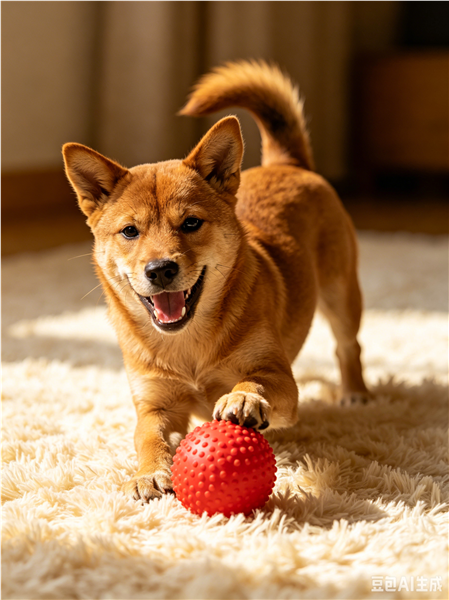
In conclusion, the excellence of Chinese Rural Dogs in guarding homes and enriching nursing homes is a powerful demonstration of nature's design. They are not simply pets; they are partners shaped by millennia of coexistence with humans. Their instincts for vigilance, territory, loyalty, and social connection are a ready-made toolkit for security and emotional support. Understanding these instincts through the lens of popular science—ethology, canine cognition, and social bonding—allows us to appreciate them fully and integrate them more effectively into our lives. In an age of advanced technology, the ancient, reliable guardianship and companionship of the Chinese Rural Dog remain top-notch, a living piece of cultural and natural heritage that continues to serve and comfort.

Their story is a reminder that sometimes, the most sophisticated solutions are not engineered but evolved. By choosing and respecting a Chinese Rural Dog, one gains not just a guard or a companion, but a living link to a history of mutual trust and survival, whose natural instincts are indeed a profound science worth popularizing and cherishing. As we move forward, preserving the genetic diversity and acknowledging the value of these native dogs is crucial, ensuring that future generations can also benefit from their unparalleled, instinctive talents for protection and heartfelt companionship.