A Complete Medical Maintenance Manual for Doberman Dogs: Daily Disease Prevention and Treatment
Owning a Doberman Pinscher is a rewarding experience, thanks to their loyalty, intelligence, and majestic presence. However, this noble breed is predisposed to several specific health conditions that require vigilant, proactive care. This comprehensive manual serves as your essential guide to preventing, identifying, and managing the health challenges unique to Dobermans, ensuring your canine companion enjoys a long, vibrant life.
Understanding the Doberman's Genetic Health Landscape
Before diving into daily care, it's crucial to understand the genetic blueprint of the Doberman Pinscher. Selective breeding for specific traits has, unfortunately, concentrated certain hereditary conditions within the breed. Awareness is the first step toward effective prevention. The most significant concerns include Dilated Cardiomyopathy (DCM), a devastating heart muscle disease; von Willebrand's Disease (vWD), a common bleeding disorder; and Hip Dysplasia, a malformation of the hip joint. Other conditions like Hypothyroidism, Wobbler Syndrome (cervical spondylomyelopathy), and certain skin issues also have a higher incidence in Dobermans. A responsible owner should obtain health clearances from the breeder regarding the parents' cardiac, thyroid, and vWD status, as well as OFA or PennHIP certifications for hips.
Pillar 1: Nutrition - The Foundation of Health
Proper nutrition is the cornerstone of preventive healthcare. A Doberman's diet must support robust muscle development, sustained energy, and joint health while avoiding ingredients that may trigger allergies or intolerances.
Key Nutritional Guidelines:
- High-Quality Protein: Source from lean meats like chicken, fish, or lamb to support their muscular physique. Aim for a diet where named meat is the first ingredient.
- Controlled Fat Content: While fats provide energy, excessive amounts can contribute to obesity, which exacerbates joint problems. Look for moderate, high-quality fat sources like fish oil, which also provides anti-inflammatory Omega-3 fatty acids.
- Joint Support Nutrients: Glucosamine and Chondroitin Sulfate are vital for maintaining joint cartilage and are especially important for a large, active breed prone to dysplasia. Many premium large-breed formulas include these supplements.
- Taurine and L-Carnitine: These amino acids are critically important for heart health. Given the breed's predisposition to DCM, choosing a diet fortified with these nutrients or discussing supplementation with your veterinarian is highly recommended.
- Feeding Schedule: Avoid one large meal a day. Feed two or three measured meals to prevent bloat (Gastric Dilatation-Volvulus or GDV), a life-threatening emergency more common in deep-chested breeds like Dobermans. Use slow-feed bowls and discourage vigorous exercise immediately before and after eating.
Pillar 2: Exercise and Physical Maintenance
Dobermans are high-energy working dogs requiring consistent, structured exercise. However, their exercise regimen must be balanced with their physical vulnerabilities.
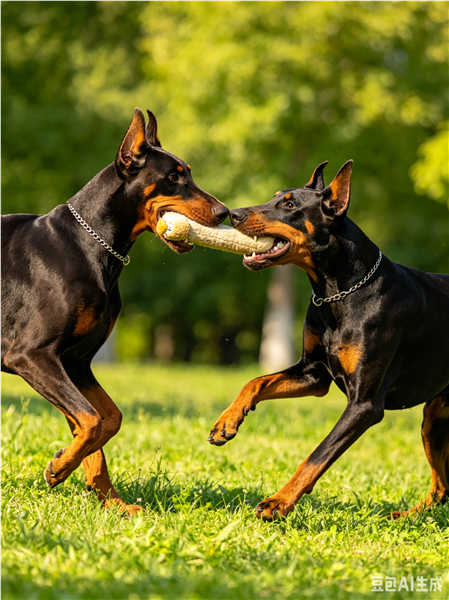
Recommended Exercise Routine:
- Daily Activity: A minimum of 60-90 minutes of daily exercise is essential. This should include brisk walks, jogging, structured play (fetch, flirt pole), and mental stimulation through training or puzzle toys.
- Low-Impact Options: To protect developing joints in puppies and aging joints in seniors, incorporate swimming or walking on soft surfaces. Avoid forced, high-impact jumping or running on hard surfaces like concrete, especially during the rapid growth phase (up to 18-24 months).
- Mental Stimulation: A bored Doberman is a destructive Doberman. Obedience training, agility (with caution for jumps), scent work, and advanced tricks keep their sharp minds engaged and prevent anxiety-driven behaviors.
Daily Physical Checks: Make a habit of a quick "hands-on" check. Run your hands over their body to feel for any new lumps, bumps, or areas of tenderness. Check ears for redness or odor, eyes for clarity and discharge, and paws for cuts or cracked pads. Monitor their gait for any signs of limping or stiffness.
Pillar 3: Proactive Veterinary Care and Screening
Routine vet visits are non-negotiable. Beyond standard vaccinations and parasite prevention, Dobermans require breed-specific screenings.
Essential Veterinary Schedule:
- Annual Wellness Exams: A full physical examination every year is crucial for establishing baselines and catching early signs of illness.
- Cardiac Screening: Starting at age 2-3, annual echocardiograms (ultrasound of the heart) and Holter monitoring (24-hour ECG) are recommended to screen for early signs of Dilated Cardiomyopathy (DCM). Listen for coughing, labored breathing, or reduced exercise tolerance at home.
- von Willebrand's Testing: A simple DNA or blood test can determine if your dog carries this bleeding disorder. This is vital knowledge before any surgical procedure.
- Orthopedic Evaluation: Your vet will assess gait and joint function. Formal hip and elbow evaluations via X-ray (like OFA certification) are typically done after 24 months of age.
- Thyroid Panel: Annual blood tests should include a full thyroid panel (not just T4) to monitor for hypothyroidism, symptoms of which include weight gain, lethargy, and skin problems.
Common Ailments and Immediate Care Strategies
Despite best efforts, health issues may arise. Here's a guide to common problems and initial responses.
1. Gastric Dilatation-Volvulus (Bloat): This is a TOP EMERGENCY. Symptoms include a distended, hard abdomen, unproductive retching, restlessness, and rapid breathing. Do not wait. This is a surgical emergency. Time is critical. Go to the emergency vet immediately.
2. Dilated Cardiomyopathy (DCM): Early signs are subtle: tiredness after mild exercise, occasional cough, especially at night or after lying down. As it progresses, breathing becomes difficult, and fainting episodes may occur. Management involves veterinary cardiologists, medications (like pimobendan, ACE inhibitors, diuretics), and dietary management with taurine/carnitine supplementation.
3. von Willebrand's Disease (vWD): The main risk is prolonged bleeding from minor wounds, surgeries, or during heat cycles in females. Know your dog's status. Inform your vet before any procedure. In case of injury, apply direct, firm pressure to the wound and seek veterinary care. Treatments can include plasma transfusions or desmopressin acetate (DDAVP) before surgery.
4. Hip Dysplasia and Arthritis: Signs include difficulty rising, reluctance to jump or climb stairs, a "bunny-hopping" gait, and stiffness. Management is multi-faceted: weight management is paramount, provide joint supplements (glucosamine/chondroitin, Omega-3s), use orthopedic beds, administer veterinarian-prescribed pain relief and anti-inflammatories, and consider physical therapy or acupuncture.
5. Skin Conditions (Allergies, Demodectic Mange): Dobermans can have sensitive skin. Signs are itching, redness, hair loss, and recurrent infections. Work with your vet to identify allergens (food or environmental). Treatment may include hypoallergenic diets, medicated shampoos, antihistamines, or immunotherapy. Regular grooming with a soft brush helps distribute natural oils and monitor skin health.
Creating a Healthy Home Environment

Your home setup plays a role in prevention. Provide non-slip flooring to prevent injuries, especially for dogs with joint issues. Ensure they have a warm, draft-free, orthopedic bed to support their joints. Keep toxic foods (chocolate, grapes, xylitol), plants, and chemicals securely out of reach. Dobermans form deep bonds and can suffer from separation anxiety; crate training and creating a safe, calm space can mitigate stress-related health issues.
The Role of Dental Care and Grooming
Oral health is directly linked to systemic health, including heart health. Brush your Doberman's teeth several times a week with enzymatic toothpaste. Provide dental chews approved by the Veterinary Oral Health Council (VOHC). Regular grooming, despite their short coat, removes dead hair and stimulates circulation. Check and clean their ears weekly with a vet-approved cleaner to prevent infections.
Conclusion: A Partnership for Lifelong Health

Caring for a Doberman Pinscher is a commitment to proactive, informed partnership. There is no single secret to longevity, but a consistent strategy built on superior nutrition, appropriate exercise, rigorous veterinary screening, and educated daily observation offers the strongest defense against the breed's hereditary challenges. By integrating the practices outlined in this manual into your daily routine, you empower yourself to be your Doberman's most effective health advocate, paving the way for many years of loyal companionship and vitality. Always consult with a veterinarian who has experience with large breeds or Dobermans specifically to create a tailored healthcare plan for your individual dog.