Teddy is not an independent dog? The true life of the popular teddy dog
In the world of small, fluffy companions, the "Teddy Bear" dog holds a special place in the hearts of many. With their adorable, plush-toy appearance and seemingly perpetual puppy-like charm, it's no wonder they are immensely popular. However, a common misconception surrounds these cute canines: the belief that they are independent, low-maintenance pets. The reality is far from it. The term "Teddy Dog" typically refers not to a purebred but to a specific look often achieved through crossbreeding, most commonly involving Poodles, Bichon Frises, Shih Tzus, or other small breeds. This article delves deep into the true life of the popular Teddy dog, separating fact from fiction and exploring what it truly takes to care for one.
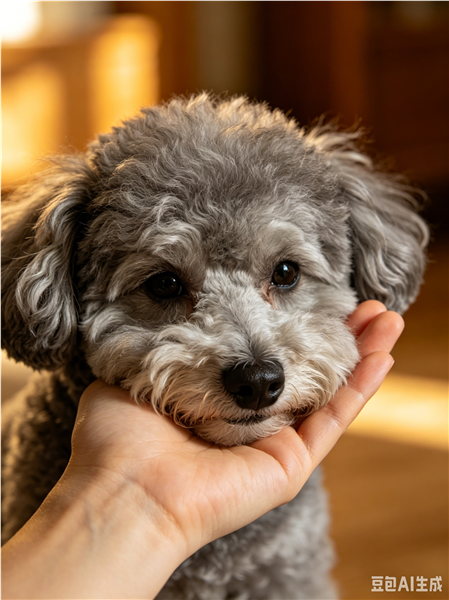
The Origins and Identity of the "Teddy Dog"
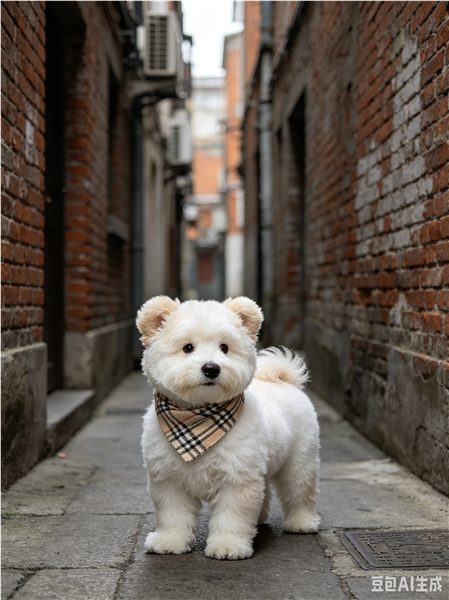
First and foremost, it is crucial to understand that "Teddy" is not a recognized breed by major kennel clubs like the American Kennel Club (AKC) or The Kennel Club (UK). Instead, it is a designer label for small dogs that have been bred or groomed to resemble a cuddly teddy bear. The most common foundation for a Teddy dog is the Poodle, particularly the Toy or Miniature variety, often crossed with another small breed. The goal is to produce a dog with a soft, dense, non-shedding or low-shedding coat, a rounded face, and large, expressive eyes. This deliberate breeding for aesthetics has significant implications for the dog's health, temperament, and care needs, which are often overlooked by smitten prospective owners.

Dispelling the Myth of Independence
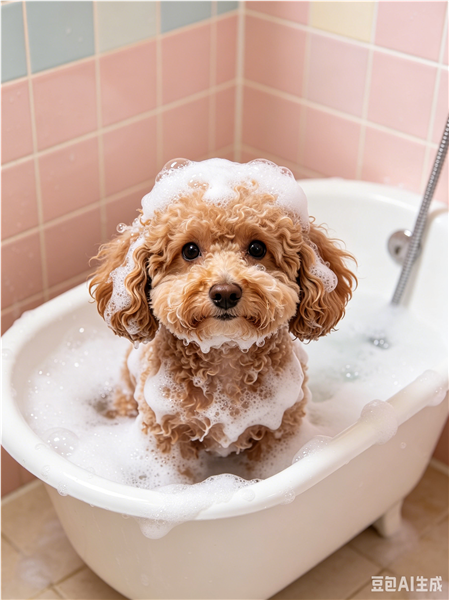
The notion that Teddy dogs are independent is perhaps the greatest fallacy. Bred primarily as companion animals, these dogs are notoriously people-oriented and prone to developing separation anxiety. They thrive on constant human interaction and companionship. Leaving a Teddy dog alone for extended periods can lead to destructive behaviors, excessive barking, and profound stress. They are velcro dogs, preferring to be in the same room as their owner, often on their lap. This trait stems from their Poodle ancestry, known for intelligence and a strong desire to be part of the family unit. Independence is not in their genetic makeup; they are emotional, sensitive creatures who form deep bonds and rely heavily on their owners for security and happiness.
The High-Maintenance Reality: Grooming
The iconic fluffy coat of a Teddy dog is its defining feature but also its most demanding aspect. That beautiful, plush fur does not maintain itself. To prevent painful matting and tangling, which can lead to skin infections, daily brushing is an absolute necessity. Their hair grows continuously, much like human hair, requiring professional grooming every 4 to 6 weeks. This grooming is not optional; it is a mandatory and recurring expense. A typical groom includes a bath, haircut, nail trimming, ear cleaning, and sometimes dental care. Neglecting this routine results in a matted, uncomfortable, and unhealthy dog. Furthermore, many Teddy dogs have hair that grows over their eyes, requiring regular trimming to ensure proper vision and prevent eye irritation.
Temperament and Training: Not Just a Pretty Face
Behind the cute exterior lies an intelligent and often strong-willed mind. Again, drawing from the Poodle's legacy, Teddy dogs are smart and quick to learn. However, this intelligence can translate into stubbornness if not guided properly. They require consistent, positive reinforcement-based training from an early age. Early socialization is also critical to prevent them from becoming timid or yappy around strangers, other dogs, or in new situations. Their sensitivity means they do not respond well to harsh corrections; patience and gentle encouragement yield the best results. While eager to please their loved ones, they can develop small dog syndrome—displaying behaviors like barking, nipping, or refusing to obey—if owners fail to establish clear, gentle leadership.
Health Considerations: The Price of Cuteness
The pursuit of the perfect "teddy bear" look through selective breeding can inadvertently amplify health issues. Common problems seen in the small breeds used to create Teddy dogs include:

- Luxating Patellas: A condition where the kneecap dislocates, common in many small breeds.
- Dental Issues: Crowded teeth in small jaws lead to rapid plaque buildup and periodontal disease, requiring diligent home care and professional cleanings.
- Eye Problems: Proptosis (eye displacement), cataracts, and tear staining are concerns, especially with very prominent eyes.
- Respiratory Issues: In breeds with shorter snouts, like Shih Tzu mixes, breathing difficulties (brachycephalic syndrome) can occur.
- Hypoglycemia: Particularly a risk for very small or "teacup" varieties, causing low blood sugar.
- Skin Allergies and Sensitivities: Their dense coats can trap allergens and moisture, leading to hot spots and infections.
Prospective owners must be prepared for potential veterinary costs and commit to preventive care, including regular check-ups, a high-quality diet, and appropriate exercise.
Exercise and Lifestyle Needs
While Teddy dogs are small and can adapt to apartment living, they are not couch potatoes. They possess a moderate energy level and require daily exercise to maintain physical health and mental stimulation. This can include short walks, play sessions in a secure yard, or interactive games indoors. Without adequate activity, they can become bored, leading to nuisance barking or destructive chewing. Their exercise needs are manageable but non-negotiable. Furthermore, their companion nature means they are not suited to an outdoor-only or isolated existence; they are indoor dogs that need to be integrated into daily family life.
Is a Teddy Dog Right for You?
Bringing a Teddy dog into your home is a decision that should be based on reality, not the idealized image. The ideal owner for a Teddy dog is someone who:
- Is home most of the day or can provide constant companionship.
- Is committed to a lifelong, rigorous, and potentially expensive grooming routine.
- Has the patience for consistent, gentle training and socialization.
- Is prepared for potential health issues and associated costs.
- Desires an affectionate, loyal shadow that will follow them from room to room.
- Understands that this is a dependent, emotionally needy pet, not an independent one.
They can be wonderful, loving, and joyful companions for the right household—typically retirees, work-from-home individuals, or families with someone usually present.
Conclusion: The True Life of a Teddy
The popular Teddy dog lives a life far removed from the independent, low-care myth. Their existence is one intertwined deeply with their human family. They demand significant time, financial investment in grooming and healthcare, and emotional engagement. Their payoff is immense affection, loyalty, and endless entertainment. However, to label them as independent is a grave disservice that leads to mismatched expectations and, sadly, surrendered pets. The true life of a Teddy dog is that of a cherished, high-maintenance companion whose world revolves around its owner. Before falling for the teddy bear face, potential owners must look beyond the fluff and commit to the responsible, dedicated care this adorable but demanding dog truly requires.
In summary, the Teddy Bear dog is a testament to the fact that the most appealing packages often contain the most responsibility. They are living proof that true companionship is not about independence but about mutual dependence, care, and love. By understanding and accepting their true nature, owners can build a fulfilling and happy life with their fluffy, devoted friend, ensuring the Teddy's popular status is matched by a lifetime of well-being and mutual happiness.