When you picture a Pomeranian, a tiny, fox-faced ball of fluff bursting with personality likely comes to mind. These diminutive dogs, often weighing less than seven pounds, are quintessential companion animals, adored for their lively spirit and luxurious coats. However, the captivating history of the Pomeranian reveals a dramatic and unexpected origin story. The truth is, the ancestors of the modern Pomeranian were not small companion dogs at all, but rather robust, medium-to-large sized working dogs from cold, northern climates. Their transformation is one of the most remarkable tales of selective breeding in the canine world.
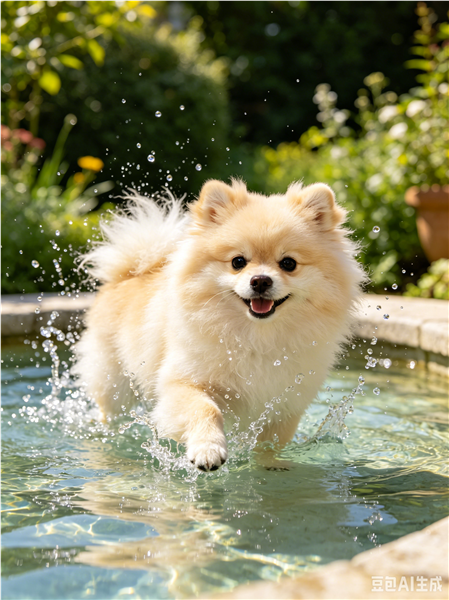
The Pomeranian's lineage is firmly rooted in the ancient and versatile Spitz family of dogs. Spitz-type dogs are characterized by several distinct features: a dense double coat, a tail that curls over the back, pointed ears, and a wedge-shaped head. This family includes a wide range of breeds, from the mighty Alaskan Malamute and Siberian Husky to the smaller but sturdy Samoyed and Norwegian Elkhound. These dogs were developed in Arctic and subarctic regions, prized for their strength, endurance, intelligence, and thick weather-resistant coats. They were indispensable to human survival, serving as sled dogs, hunters of large game, herders of reindeer, and vigilant guardians.
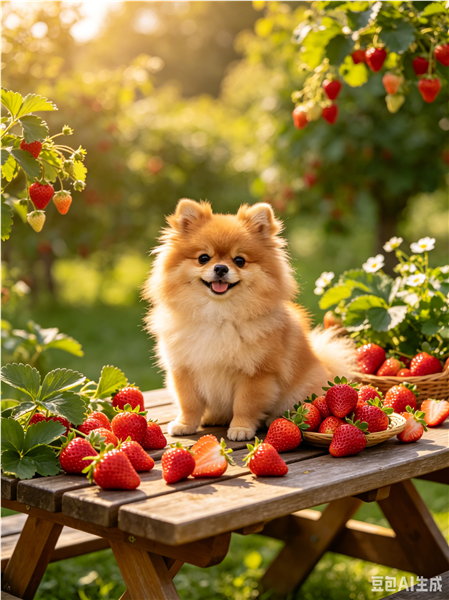
The specific geographic namesake of the breed is Pomerania, a historical region on the southern coast of the Baltic Sea, now split between modern-day Germany and Poland. It was here, in the 18th century, that these Spitz dogs began to be selectively bred down in size. The original Pomeranian dogs of this era were considerably larger than today's standard, often weighing around 20 to 30 pounds. They were still used as working dogs but also started gaining popularity as pets among the nobility and commoners alike. Their intelligence and alert nature made them excellent watchdogs, and their attractive appearance made them desirable companions.
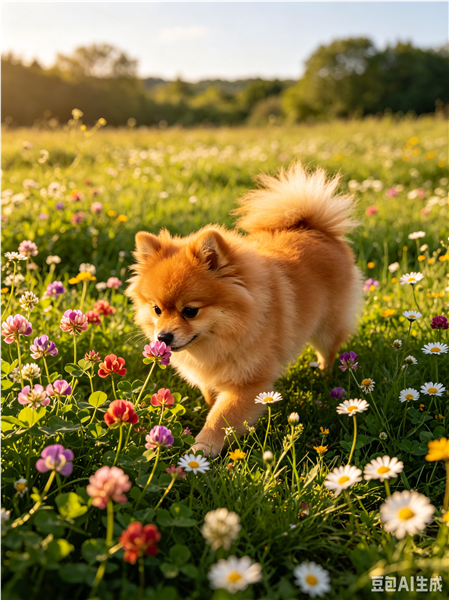
The most pivotal figure in the history of the Pomeranian's miniaturization was Queen Victoria of England. A renowned dog lover, Queen Victoria encountered Pomeranians during a visit to Italy in 1888 and became utterly enamored with them. She returned to England with several Poms, including a particularly small, sable-colored dog named Marco. The Queen's passion for the breed sparked a frenzy of popularity among British high society. Crucially, she actively favored and bred for smaller specimens. Under her influence and the direction of her kennel managers, the average size of the Pomeranian plummeted. By the end of her reign, the breed standard had shifted dramatically toward the toy-sized dog we recognize today. Queen Victoria's last public appearance before her death was to send a telegram wishing success to the Royal Army Nursing Corps, and by her side was her beloved Pomeranian, Turi.
The journey from a 30-pound working dog to a 7-pound lapdog involved intense and careful selective breeding. Breeders consistently chose the smallest dogs from each litter to breed together, focusing on reducing frame size while attempting to maintain the classic Spitz characteristics: the profuse coat, the plumed tail, and the alert, fox-like expression. This process was not without its challenges. Reducing size so drastically sometimes brought associated health issues, such as fragile bones, dental crowding, and vulnerability to injury. Responsible modern breeding aims to mitigate these problems while preserving the breed's iconic look and vibrant temperament.
Despite their drastic reduction in size, the Pomeranian retains many behavioral traits of its larger Spitz ancestors. They are famously alert and vocal, making them excellent watchdogs who will confidently announce any visitor—a trait inherited from guardians of flocks and homes. They are also highly intelligent and can be stubborn, reflecting the independent thinking required of a sled or hunting dog. Their energy level is surprisingly high for their size, and they benefit from regular mental and physical stimulation. That bundle of energy barking in a living room still carries the genetic blueprint of a dog bred to pull sleds across snowy expanses or herd animals in harsh conditions.
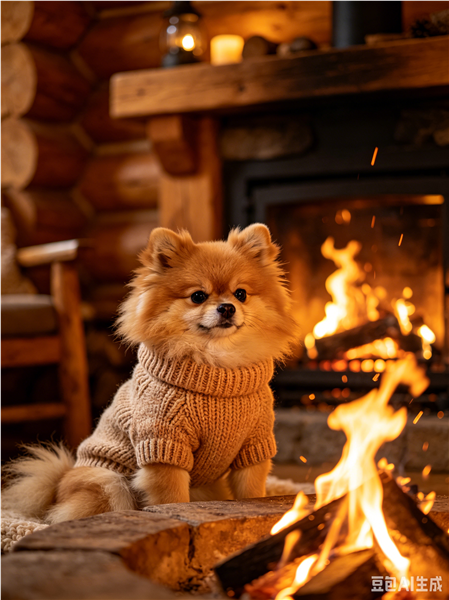
The Pomeranian's coat is another direct link to its past. The luxurious double coat—a soft, dense undercoat and a longer, harsher outer coat—is perfectly designed for insulation against bitter cold. While it now serves primarily an aesthetic purpose, it is a clear vestige of their Arctic ancestry. The breed comes in a breathtaking array of colors and patterns, from the classic orange and red to black, white, blue, sable, and particolored, a far cry from the more limited color palette often seen in their northern relatives.
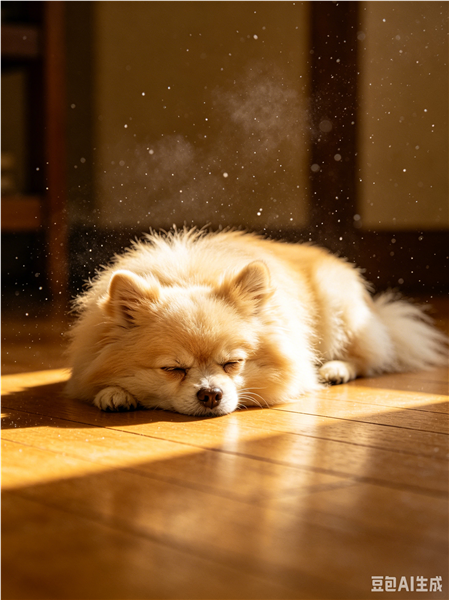
The formal recognition of the breed followed its popularity. The Kennel Club in England first recognized the Pomeranian in 1870. The American Kennel Club (AKC) followed suit, registering the breed in 1888. Interestingly, early show classes in America were divided by weight, with one class for dogs under eight pounds and another for those over. The smaller class quickly became the dominant and eventually the only standard. Today, the AKC breed standard specifies an ideal weight of 3 to 7 pounds, a far cry from their ancestors' stature.
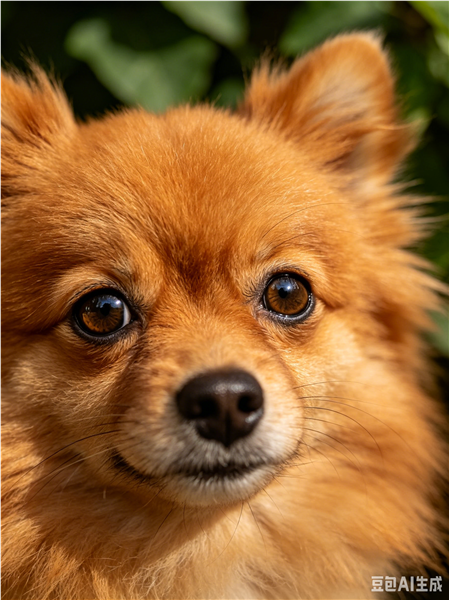
Understanding the Pomeranian's true origin as a descended from capable working Spitz dogs adds a profound layer of appreciation for the breed. It explains their bold, confident, and sometimes bossy attitude—often called "small dog syndrome"—which is essentially the demeanor of a much larger dog packed into a tiny body. It underscores the importance of providing them with proper training and socialization; they are not fragile ornaments but intelligent animals with needs. It also highlights the incredible power of selective breeding, shaped by human aesthetics and preferences, to physically transform a breed over a relatively short span of centuries.
In conclusion, the Pomeranian's history is a fascinating journey from the snowy working landscapes of the Arctic and Pomerania to the royal courts and modern homes of today. Their ancestors were hardy, resilient, and indispensable partners to humans, valued for their utility and strength. Through the influence of royalty and dedicated breeders, these dogs were meticulously reshaped into miniature companions without losing their essential Spitz spirit. The next time you see a tiny Pomeranian strutting with immense self-importance, remember that you are looking at the modern embodiment of a much larger, tougher legacy. Their story is a powerful reminder that behind every breed's current form lies a long and often surprising history of evolution, shaped by both nature and human desire.