The Source of Popular Science: Teddy's Jealousy and Why Small Dogs Are Possessive
For many owners of small dog breeds like the adorable Teddy, witnessing sudden bouts of jealousy—growling when you pet another animal, nudging your hand away from your phone, or even displaying anxiety when attention is divided—is a common yet puzzling experience. This article delves deep into the canine mind to unravel the science behind this possessive behavior, offering a comprehensive guide that spans psychology, breed characteristics, and practical solutions.
Understanding the Canine Emotion: Is It Really Jealousy?
For decades, the scientific community debated whether animals could experience complex emotions like jealousy, often attributing such behaviors to simple resource guarding or learned responses. However, contemporary studies in comparative psychology have begun to validate what pet owners have long suspected: dogs do exhibit behaviors that closely mirror human jealousy. Researchers define jealousy in dogs as a negative emotional reaction triggered by the threat of losing a valued social bond or resource to a rival. In the context of a Teddy, you are the primary resource—a source of love, food, security, and play. When a perceived rival (another pet, a new partner, or even a child) enters the scene, the dog's brain triggers a stress response associated with potential loss.
This response is deeply rooted in the dog's evolutionary history. Canines are social pack animals, and their survival once depended on securing their position within the group and maintaining access to essential resources. While domestication has softened the edges, the underlying neural pathways remain. For small breeds specifically bred for companionship, like the Teddy, the bond with their human is their entire world. This intense, singular focus can amplify feelings of insecurity when that bond seems threatened. The jealousy is not a sign of spite or malice but a manifestation of anxiety over a fundamental need—connection and security.
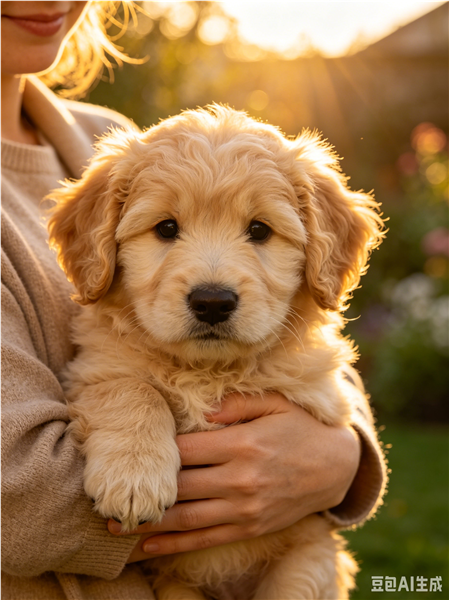
The Small Dog Syndrome: A Breed-Specific Lens on Possessiveness
The term "Small Dog Syndrome" is often used colloquially to describe a cluster of behaviors commonly observed in toy and small breeds, including excessive barking, nervousness, and, notably, possessiveness and jealousy. But is this a matter of size or breeding? The answer lies in both. Physiologically, small dogs like Teddies have faster metabolisms and higher energy levels relative to their body size, which can translate into a more reactive nervous system. They are often on higher alert, processing environmental stimuli more intensely, which can lead to quicker emotional reactions like jealousy.
More significantly, selective breeding plays a paramount role. Breeds like the Teddy (often a cross involving Poodles, Bichons, or Shih Tzus) were developed primarily as companion animals and lapdogs. Their historical job was not to herd, hunt, or guard but to provide affection and companionship. This purpose-driven breeding selected for traits like high sociability, attentiveness to human cues, and a strong desire for physical closeness. While these traits make them wonderful pets, they can also predispose them to separation anxiety and a hyper-attachment to their primary caregiver. When that caregiver's attention shifts, it disrupts the core dynamic they were bred for, triggering a possessive response. Furthermore, owners often unconsciously reinforce these behaviors by immediately comforting a jealous or yapping small dog, teaching them that such actions successfully regain exclusive attention.
Common Triggers for Jealousy in Your Teddy
Identifying the specific triggers for your Teddy's jealous episodes is the first step toward management. These triggers are often related to disruptions in routine or threats to valued resources.
- Social Rivals: The introduction of a new pet—a puppy, a kitten, or even a new baby—is the most classic trigger. Your Teddy may see the newcomer as a direct competitor for your time, affection, and resources like food and favorite sleeping spots.
- Human Affection: Your Teddy may exhibit jealousy when you show physical affection to another person, whether it's a hug for your partner or cuddling with another child. From their perspective, this is their cherished human engaging with a rival.
- Objects of Attention: In our modern world, inanimate objects can become rivals. A Teddy may bark, paw, or whine when you are focused on your laptop, smartphone, or a book, as these items are absorbing the attention they feel entitled to.
- Changes in Routine: A sudden change, like a house guest staying over, a work-from-home schedule shifting, or less frequent walks, can create general anxiety that manifests as increased clinginess and jealousy over the resources that remain constant (like you).
- Resource Guarding: This is a more direct form of possessiveness, where the dog becomes jealous over specific items like toys, food bowls, or beds. While related, resource guarding is often more about the object itself, whereas jealousy is more about the social relationship.
The Neurochemistry of Canine Jealousy: What's Happening in the Brain?
When a Teddy experiences a jealousy trigger, a cascade of neurochemical events occurs. The amygdala, the brain's fear and emotional processing center, activates in response to the perceived social threat. This triggers the hypothalamic-pituitary-adrenal (HPA) axis, leading to the release of stress hormones like cortisol and adrenaline. These hormones prepare the body for a "fight or flight" response—in this case, the "fight" to reclaim your attention. You might see this as raised hackles, a stiff body posture, focused staring, whining, or barking.
Simultaneously, changes occur in neurotransmitters associated with reward and bonding. Oxytocin, often called the "love hormone," which promotes bonding and feelings of calm, may decrease in this stressful context. Conversely, dopamine, linked to motivation and reward-seeking, may drive the dog to perform the behaviors (like nudging or barking) that have historically regained your focus. Understanding this biological basis underscores that the dog is not being "bad" but is reacting from a place of instinctual stress. Chronic activation of this stress response can lead to longer-term anxiety issues, making proactive management crucial for the dog's well-being.
Training and Management: Building Confidence and Security
Addressing jealousy is not about punishing the emotion but about building your Teddy's confidence and sense of security, thereby reducing the need for possessive behaviors. The goal is to teach your dog that the presence of a "rival" actually predicts good things for them.
1. Counter-Conditioning and Desensitization: This is the gold standard for modifying emotional responses. If your dog is jealous of your partner, start by having your partner appear at a distance while you feed your Teddy high-value treats. Gradually, over many sessions, have your partner come closer. The dog learns to associate the trigger (the partner) with a positive outcome (treats), changing its emotional response from anxiety to anticipation.
2. The "Nothing in Life is Free" Protocol: This structure builds respect and reduces entitlement. Ask your dog to perform a simple command like "sit" or "down" before receiving anything they want—meals, treats, affection, walks. This reinforces that good things come through calm, polite behavior, not through demanding or jealous outbursts.
3. Structured Attention: Instead of giving attention on demand when your dog is acting jealous, schedule regular, predictable periods of quality interaction—training sessions, playtime, grooming. Ignore attention-seeking jealous behaviors (like pawing or whining) completely, and reward calm, independent behavior with attention. This teaches the dog that calmness, not chaos, earns your focus.
4. Environmental Management: During high-trigger situations, use management tools to prevent rehearsal of the bad behavior. If your dog is jealous when you work, provide a long-lasting chew or a food puzzle in their bed across the room. If a new baby is arriving, use baby gates to create separate, positive spaces for the dog. This prevents stress and keeps everyone safe while you work on the long-term training.
5. Building Independence: Encourage self-entertainment with interactive toys and promote calm separation by practicing short departures. A dog who is confident and content spending time alone is less likely to be insecure and jealous when you are present but occupied.
When to Seek Professional Help
While mild jealousy can often be managed with consistent training, some cases escalate to problematic aggression, including snapping, biting, or intense resource guarding that poses a safety risk. If your Teddy's possessive behaviors include any aggression, if the jealousy is causing severe distress to your household, or if your training efforts plateau without improvement, it is imperative to seek help from a certified professional—a veterinarian to rule out medical causes of pain or anxiety, and a certified force-free dog behavior consultant or veterinary behaviorist. They can create a tailored behavior modification plan to address the root of the insecurity in a safe and effective manner.
Conclusion: Fostering a Secure Bond
The jealousy and possessiveness displayed by your Teddy are not flaws in their character but windows into their emotional world—a world where you are the sun. By interpreting these behaviors as expressions of anxiety rather than acts of defiance, we can respond with empathy and science-based strategies. The journey involves building their confidence, teaching them that their world is secure even when shared, and reinforcing the bond through structured, positive interactions. In doing so, you transform a relationship potentially marred by tension into one defined by mutual trust, respect, and peaceful coexistence. Your Teddy learns to share your heart, and you gain a deeper, more harmonious connection with your devoted companion.