Koptedi Ranks Among Small Dogs in IQ Rankings
When discussing canine intelligence, large breeds like Border Collies and Poodles often dominate the conversation. However, small dog breeds possess remarkable cognitive abilities that deserve equal recognition. Among these compact canines, the Koptedi has carved out a notable position in various small dog IQ rankings. This article delves deep into the intelligence of the Koptedi breed, exploring its cognitive strengths, trainability, and how it compares to other intelligent small dogs.
Understanding Canine Intelligence Metrics
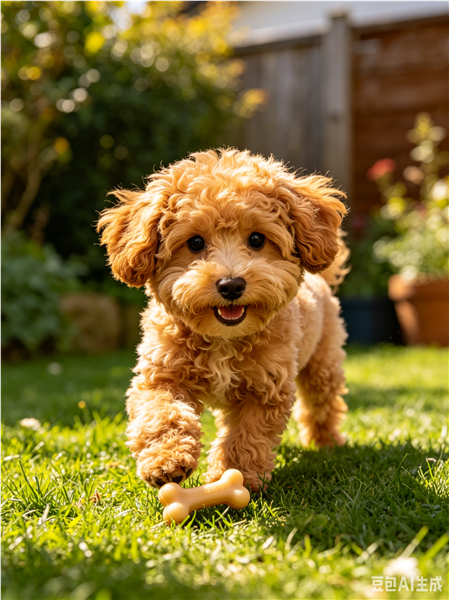
Before examining the Koptedi's specific ranking, it's crucial to understand how dog intelligence is measured. Canine psychologist Stanley Coren's seminal work categorizes dog intelligence into three primary types: instinctive intelligence (bred-in skills), adaptive intelligence (problem-solving ability), and working/obedience intelligence (trainability). Most popular rankings focus heavily on working intelligence—how quickly a dog learns and obeys new commands. Small breeds like the Koptedi often excel in adaptive intelligence, demonstrating clever solutions to everyday challenges despite their size.
Research indicates that smaller dogs frequently show different intelligence profiles than larger breeds. They may be more independent and sometimes less eager to please, which can affect obedience scores. However, their alertness, sensitivity to environmental changes, and often superior memory for locations and routines showcase a different dimension of smartness. The Koptedi embodies many of these small-dog cognitive traits, combining quick learning with a strong situational awareness that serves them well in various living situations.
The Koptedi's Position in IQ Rankings
In comprehensive small dog intelligence rankings that consider multiple factors beyond simple command obedience, the Koptedi consistently places in the upper middle tier. While not challenging the top spots held by breeds like the Papillon or Miniature Poodle, the Koptedi demonstrates solid all-around cognitive abilities. Their intelligence is particularly evident in their ability to learn complex routines, recognize numerous words and phrases, and adapt their behavior to different family members' expectations.
One notable study tracking small breed cognition found Koptedis scored exceptionally well in social learning tasks. They observed and imitated human actions more quickly than many comparable breeds, suggesting strong social intelligence. This trait likely stems from their historical development as companion animals, bred to be attentive and responsive to human cues. In problem-solving tests involving food puzzles, Koptedis showed persistent and often creative approaches, though their occasional stubborn streak sometimes led them to abandon tasks they deemed unrewarding.
Comparative Analysis With Other Smart Small Breeds
To properly contextualize the Koptedi's intelligence, we must compare it with other highly-ranked small breeds. The Papillon, often called the "small Border Collie," typically tops intelligence lists with its exceptional trainability and working focus. Miniature Poodles follow closely, renowned for their memory and precision. Where the Koptedi distinguishes itself is in its balance of intelligence and emotional sensitivity. While Papillons might learn tricks faster, Koptedis often show greater empathy and ability to read human emotional states.

Breeds like the Shetland Sheepdog and Miniature Schnauzer also rank highly in small dog intelligence. The Koptedi compares favorably to these breeds in adaptive intelligence but may require more motivation during formal training sessions. Unlike some working-breed small dogs that live to obey commands, Koptedis often ask "why" before complying, demonstrating a thoughtful rather than automatic approach to obedience. This characteristic sometimes leads owners to underestimate their intelligence when in fact it reflects a more independent cognitive style.

Cognitive Strengths of the Koptedi Breed
Koptedis exhibit several specific cognitive strengths that contribute to their solid IQ ranking. Their spatial memory is particularly noteworthy—many owners report their Koptedis remembering the location of toys, treats, or hiding spots with remarkable accuracy weeks after initial exposure. This ability suggests strong hippocampal development, the brain region associated with memory formation and spatial navigation.
Another significant strength is their communicative intelligence. Koptedis develop extensive vocal and gestural repertoires to express needs, desires, and alerts. Unlike some breeds that bark generically, Koptedis often use distinctly different vocalizations for different situations, indicating advanced communicative cognition. They also excel at reading human body language and tone of voice, often responding appropriately to subtle cues that other breeds miss. This social intelligence makes them excellent companions but can also lead to anxiety if their human family communicates inconsistent signals.
Training the Intelligent Koptedi

Training a Koptedi requires an approach that respects their intelligence while addressing their occasional independence. Positive reinforcement methods work exceptionally well, as Koptedis respond enthusiastically to food rewards, praise, and play incentives. However, trainers should vary rewards to prevent boredom—an intelligent dog quickly tires of predictable routines. Short, engaging training sessions of 5-10 minutes multiple times daily prove more effective than longer sessions for maintaining the Koptedi's focus.
Mental stimulation proves as important as physical exercise for this breed. Food puzzle toys, scent work games, and learning new tricks keep their minds active and prevent destructive behaviors born of boredom. Many Koptedis excel in dog sports like agility, rally obedience, and nose work, where they can showcase both intelligence and athleticism. Early socialization is particularly crucial for Koptedis, as their intelligence makes them sensitive to novel experiences during developmental periods.
The Role of Genetics and Breeding in Koptedi Intelligence
The Koptedi's cognitive abilities have been shaped by both historical function and modern breeding practices. Originally developed as companion animals, selective breeding emphasized traits like attentiveness, communication skills, and adaptability to human environments—all factors contributing to measured intelligence. Responsible contemporary breeders continue to select for temperament and cognitive traits alongside physical health, though breeding solely for "smartness" without considering overall temperament can produce anxious or overly sensitive dogs.

Research into the genetics of canine cognition suggests that intelligence is polygenic, involving many genes with small effects rather than a single "intelligence gene." This complexity means that while breeding can influence general cognitive tendencies, individual variation within the Koptedi breed remains substantial. Environmental factors—including prenatal conditions, early socialization, diet, and lifelong mental stimulation—play at least as significant a role as genetics in determining realized intelligence.
Environmental Enrichment for Optimal Cognitive Development
Maximizing a Koptedi's intellectual potential requires thoughtful environmental enrichment from puppyhood through senior years. Novel experiences during critical developmental windows (3-14 weeks) particularly influence adult cognitive abilities. Exposure to varied surfaces, sounds, people, and situations during this period builds neural connections that support later learning. Continuing enrichment throughout adulthood prevents cognitive decline and maintains mental flexibility.
Recommended enrichment strategies include rotating toys to maintain novelty, creating food-finding challenges, teaching new commands regularly, and providing supervised exploration opportunities in safe environments. Social enrichment—interaction with familiar and new people and dogs—also stimulates cognitive development. Interestingly, studies show that dogs living in enriched environments not only perform better on intelligence tests but also show lower stress levels and better overall health, creating a positive feedback loop between cognitive and physical wellbeing.
Intelligence and Behavioral Considerations
The Koptedi's intelligence brings both advantages and behavioral considerations. Their quick learning ability means they pick up bad habits as readily as good ones, requiring consistent training and clear boundaries. Their problem-solving skills can lead to creative mischief, such as opening cabinets or finding hidden treats. Many Koptedis display what researchers call "opportunistic learning"—observing and capitalizing on human routines to get what they want.

This intelligence also correlates with sensitivity. Koptedis often react strongly to household tension, changes in routine, or perceived unfairness. They may develop anxiety or stress-related behaviors if their cognitive needs aren't met through adequate stimulation. Understanding that "smart" doesn't always mean "easy" is crucial for prospective owners. The Koptedi's intelligence requires engagement and partnership rather than simple command-based control.
Measuring Your Koptedi's Intelligence
While formal IQ tests exist for dogs, owners can assess their Koptedi's cognitive strengths through simple home observations. Note how quickly your dog learns new commands or routines, solves simple problems (like accessing a toy under furniture), and remembers locations of items. Social intelligence can be gauged by how accurately your Koptedi responds to your emotional states and subtle gestures. Adaptive intelligence shows in how they handle novel situations or changes in environment.
Keep in mind that intelligence manifests differently in different dogs. Some Koptedis might excel at observational learning while others show stronger spatial reasoning. Rather than focusing on a single intelligence score, appreciate the multidimensional nature of your dog's cognitive abilities. Documenting these strengths can help you tailor training and enrichment to your individual dog's cognitive profile.
The Future of Canine Intelligence Research and Small Breeds
Emerging research continues to refine our understanding of canine cognition, with particular interest in how smaller breeds like the Koptedi process information. Neuroimaging studies reveal that small dogs often have higher neuron density in certain brain regions compared to larger breeds, potentially supporting different cognitive strategies. Research into canine social intelligence increasingly recognizes the sophisticated social cognition of companion-bred dogs like the Koptedi.
Future intelligence rankings may incorporate more diverse measures beyond obedience, including social learning, memory tests, and problem-solving in naturalistic contexts. Such expanded assessments would likely benefit breeds like the Koptedi that demonstrate intelligence in ways not captured by traditional command-response testing. Citizen science projects involving dog owners contribute valuable data about breed differences in cognitive styles, gradually creating a more nuanced understanding of what makes each breed uniquely intelligent.
Conclusion
The Koptedi's solid ranking among small dog breeds in intelligence assessments reflects a well-balanced cognitive profile combining trainability, problem-solving ability, and social intelligence. While not the absolute top performer in obedience-focused tests, the breed demonstrates strengths in areas crucial for companion animals—reading human cues, adapting to home environments, and forming strong communicative bonds. Their intelligence, like that of all dogs, blossoms best with proper stimulation, training, and social engagement.
Prospective Koptedi owners should recognize that this intelligence requires commitment. These dogs thrive with owners who appreciate their cognitive abilities and provide appropriate mental challenges. When their intellectual needs are met alongside physical and emotional ones, Koptedis develop into remarkably capable companions whose intelligence enhances every aspect of the human-canine bond. Their position in small dog IQ rankings speaks not just to what they can learn, but to how they think, adapt, and connect—the true measures of canine intelligence.