Chinese rural dogs, often referred to as native village dogs or indigenous canines, have developed remarkable resilience through centuries of natural and artificial selection. Their ability to adapt to diverse and often harsh climatic conditions across China's vast geography is a testament to their hardiness. This analysis delves into the physiological and behavioral adaptations that allow these dogs to tolerate both extreme cold and intense heat, providing insights for owners and enthusiasts.
The fear of cold or heat in dogs is not a simple yes-or-no question but a spectrum of adaptation. Chinese rural dogs, as a population, exhibit a wide range of traits influenced by the specific regional climates they originate from. Dogs from the northeastern provinces, such as Heilongjiang, have evolved to withstand sub-zero temperatures and heavy snowfall. In contrast, those from southern regions like Guangdong have adapted to thrive in humid, tropical heat. This regional specialization is key to understanding their overall climate tolerance.
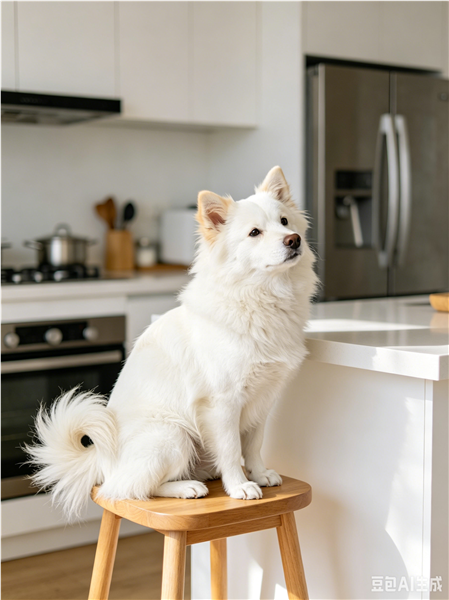
Physiological adaptations form the first line of defense against temperature extremes. For cold resistance, many northern varieties of Chinese rural dogs develop a dense double coat during autumn. The outer coat, comprised of guard hairs, is water-resistant and coarse, shielding against snow and moisture. The undercoat is soft, thick, and woolly, creating a layer of insulating air close to the skin. This undercoat is typically shed in the spring as temperatures rise. Their skin also contains a rich network of blood vessels that can constrict to minimize heat loss in the cold.
Paw pads are another critical adaptation. In colder climates, pads become thicker and tougher, providing protection against frozen ground. Some dogs may even grow extra fur between their toes for added insulation. Their ears are often smaller and covered with fur to reduce the surface area from which body heat can escape, minimizing the risk of frostbite. Metabolism can also adjust; dogs may consume more calories in winter to fuel internal heat production.
In response to heat, physiological adaptations differ significantly. Dogs from hotter regions tend to have shorter, sleeker single coats that facilitate heat dissipation. The coat color can also play a role; lighter colors reflect more sunlight, while darker coats might be more common in cooler, forested areas for camouflage rather than heat absorption. Unlike humans, dogs have limited sweat glands, located primarily on their paw pads. Their primary cooling mechanism is panting, which evaporates moisture from the tongue, nasal passages, and lungs. Efficient panting is a vital trait for heat tolerance.
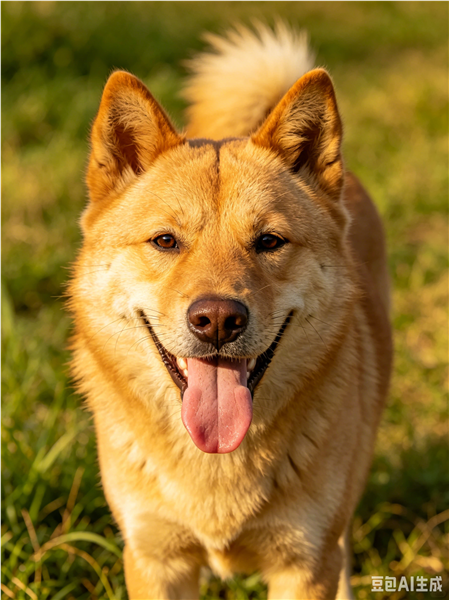
Behavioral adaptations are equally crucial for thermoregulation. In cold weather, Chinese rural dogs exhibit behaviors like curling into a tight ball while sleeping to conserve body heat, seeking shelter in enclosed spaces like under porches or in dens they may dig, and basking in sunny spots during the day. They are often less active during the coldest parts of the day to conserve energy.
During hot weather, their behavior shifts dramatically. They become crepuscular, meaning most active during the cooler dawn and dusk hours. They seek out shade, cool earth, or tile floors to lie on. It's common to see them digging shallow pits in the soil to reach cooler ground. They also reduce strenuous activity and increase water consumption. Many will lie with their bellies pressed against cool surfaces and their limbs spread to maximize heat loss.
However, it is a misconception that these adaptations make them impervious to temperature extremes. Chinese rural dogs can indeed suffer from hypothermia and frostbite in severe, prolonged cold, especially if they are wet, young, old, or ill. Similarly, they are highly susceptible to heatstroke during intense heatwaves, particularly if humidity is high, which impairs evaporative cooling through panting. Access to fresh water and appropriate shelter is non-negotiable for their survival in extreme conditions.
The role of human intervention in their adaptation cannot be overlooked. Historically, village dogs that could not adapt to local climate extremes would have lower survival and reproductive rates. Humans may have also selectively favored dogs with useful traits. In modern times, responsible care involves providing man-made shelters that offer insulation in winter and ventilation in summer, ensuring year-round access to clean water, and adjusting feeding portions according to seasonal energy needs.
Seasonal care tips for owners of Chinese rural dogs include: In winter, provide a dry, draft-free shelter raised off the ground and filled with warm bedding. Check paw pads for ice accumulation or chemical irritants from de-icers. Consider a canine coat for very short-haired individuals in bitter cold, but ensure it does not get wet. Increase food intake slightly if the dog spends much time outdoors. In summer, ensure constant access to shade and fresh, cool water. Never leave a dog in a parked car. Exercise should be limited to the coolest parts of the day. Watch for signs of heatstroke, including excessive panting, drooling, bright red gums, lethargy, and collapse.
Comparing Chinese rural dogs to specialized Western breeds highlights their generalized adaptability. While a Siberian Husky is supremely adapted to cold and a Saluki to heat, the native village dog is a jack-of-all-trades, possessing a flexible genetic toolkit that allows it to survive across a broader range of conditions. This genetic diversity is a valuable resource and underscores the importance of preserving these indigenous dog populations.
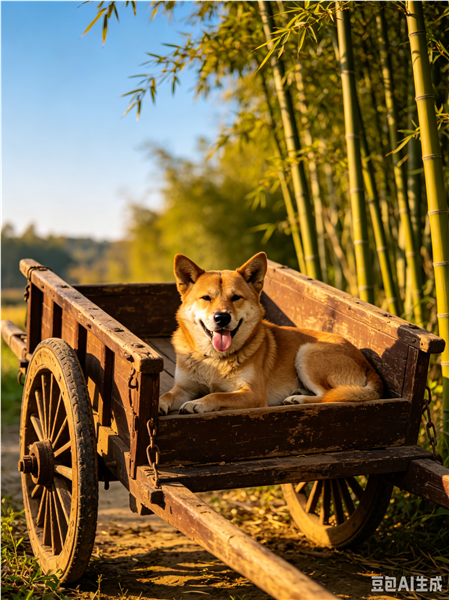
Climate change poses new challenges. Increasingly unpredictable weather patterns, with more frequent and severe heatwaves and cold snaps, test the limits of even these adaptable animals. This makes human-provided care and shelter more critical than ever to help them bridge gaps during unprecedented weather events.
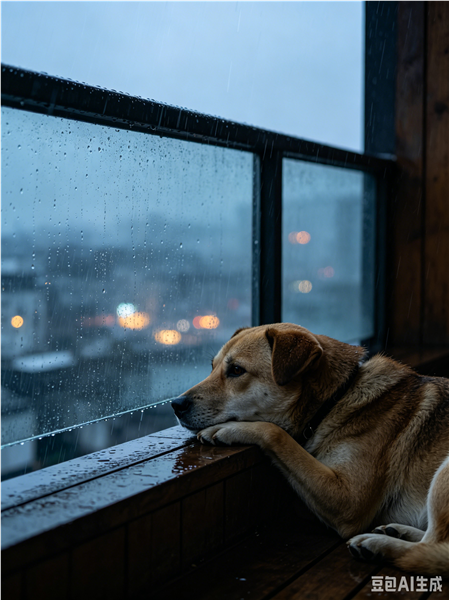
In conclusion, Chinese rural dogs are not inherently 'afraid' of cold or heat but are remarkably equipped through evolution and behavior to handle a wide climatic range. Their fear or discomfort arises when conditions exceed the limits of their natural adaptations. Their resilience is a product of a robust genetic foundation shaped by China's diverse environments. Understanding these adaptations allows us to appreciate their hardiness while also fulfilling our responsibility to provide compassionate, seasonally-aware care that supports their well-being in an ever-changing world.

Ultimately, the story of the Chinese rural dog's climate adaptation is one of resilience and symbiosis with both the natural environment and human communities. By respecting their evolved traits and supplementing them with informed care, we ensure these iconic native canines continue to thrive for generations to come.