Where is the Samoyed's Place of Origin? A Complete History of Polar Dog Breeds
The enchanting, smiling Samoyed, with its brilliant white coat and gentle demeanor, is a breed that captures the imagination. But behind its modern beauty lies a history of incredible resilience and partnership with humans in one of the harshest environments on Earth. To truly understand the Samoyed, we must journey to the frozen expanses of its homeland and explore the broader tapestry of polar canine history.
The Siberian Homeland: Birthplace of the Samoyed
The Samoyed takes its name from the Samoyedic peoples of Siberia, specifically the Nenets, Enets, and Nganasan tribes who inhabited the northwestern regions of the Russian Arctic. This area, encompassing the tundra and taiga of Siberia, is the indisputable place of origin for the breed. For centuries, these semi-nomadic peoples developed a symbiotic relationship with their white, spitz-type dogs, which were integral to their survival in an unforgiving climate where temperatures could plummet to -60°C (-76°F).
These indigenous dogs were not pets in the modern sense but vital working partners. They served a triple purpose: herding reindeer, pulling sleds across the vast snowfields, and providing warmth by sleeping alongside their human companions during the long, frigid nights. This close physical contact bred a unique trait: an inherent trust and gentle nature towards people, a hallmark of the modern Samoyed. The famous "Sammy smile" is not just an aesthetic quirk; it prevents drool from freezing into icicles around the mouth, a practical adaptation to the cold.
From Arctic Worker to Global Companion

The Samoyed's journey from a Siberian working dog to a worldwide show and companion breed began with Arctic and Antarctic exploration in the late 19th and early 20th centuries. Explorers like Fridtjof Nansen and Ernest Shackleton used Samoyeds and similar dogs for their polar expeditions, valuing their strength, endurance, and thick, insulating coats. These expeditions introduced the breed to Europe and beyond.
Notably, the British zoologist Ernest Kilburn-Scott is credited with establishing the breed in the West. After encountering Samoyeds on a trading expedition, he brought some back to England. He and his wife, Clara, began a careful breeding program, focusing on preserving the dog's beauty and temperament while adapting it to a new lifestyle. The first breed standard was drafted in England in 1909, and the Kennel Club officially recognized the Samoyed soon after. The breed's stunning appearance and friendly personality led to a rapid rise in popularity among the aristocracy and eventually the general public.
Anatomy of an Arctic Survivor
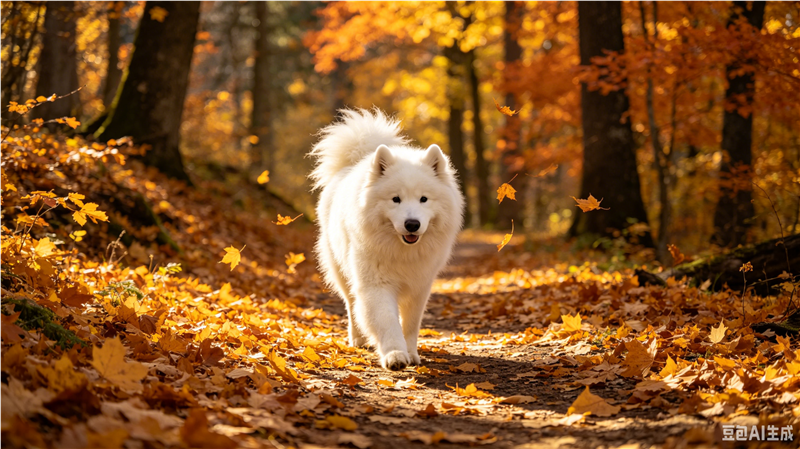
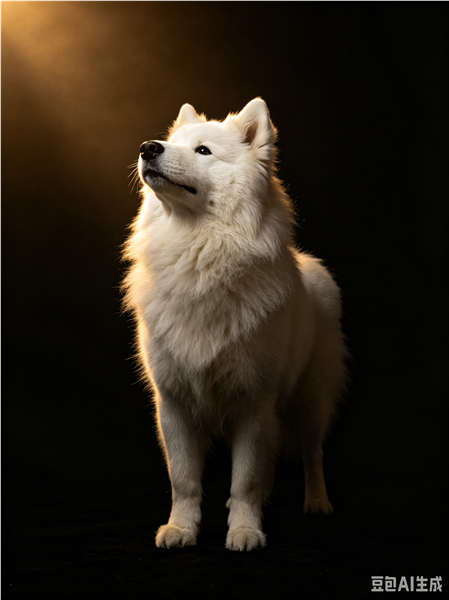
Every aspect of the Samoyed's physique is a testament to its polar origins. Their double coat is legendary: a dense, soft, short undercoat for insulation, and a longer, harsher, straight outer coat that sheds water and snow. This coat comes in pure white, cream, or biscuit, colors that provided camouflage in the snow and reflected the sun's rays. Their plumed tail is not just for show; in sleep, they curl it over their nose and face, trapping warm air and filtering the frigid air they breathe.
Their build is powerful yet agile, designed for endurance rather than sheer speed. Almond-shaped, dark eyes are set to squint against snow glare, and small, thick, fur-lined ears minimize heat loss. Their large, flat "snowshoe" feet distribute their weight on soft snow and have fur between the pads for grip and insulation. This combination of features created the perfect canine for the Siberian tundra.
The Broader Canvas: A History of Polar Dog Breeds
The Samoyed is just one star in a constellation of remarkable breeds developed in the Arctic and sub-Arctic regions. The history of polar dogs is a story of parallel evolution, where different cultures independently developed dogs suited to similar extreme challenges. These breeds share common traits: thick double coats, incredible stamina, a strong work ethic, and a deep bond with their human handlers.
The Siberian Husky
Hailing from Eastern Siberia, the Siberian Husky was bred by the Chukchi people for pulling light loads over immense distances with minimal energy expenditure. They are lighter and faster than the Samoyed, built for speed and efficiency. Their famous blue or multi-colored eyes, wolf-like appearance, and friendly but independent nature set them apart. They gained global fame during the 1925 serum run to Nome, Alaska, where teams delivered life-saving diphtheria antitoxin.
The Alaskan Malamute
One of the oldest Arctic sled dogs, the Alaskan Malamute was developed by the Mahlemut tribe of Alaska. They are powerhouses—larger and stronger than both Huskies and Samoyeds—built to haul heavy freight over rough terrain. They possess immense strength, a proud carriage, and a more dominant, pack-oriented personality. Their loyalty to their family is profound, but they retain a strong, independent will.
The Greenland Dog
Perhaps the breed closest to the original ancient Arctic dogs, the Greenland Dog is a powerful, primal sled dog used by the Inuit for hunting seals and polar bears and for transportation. They are incredibly tough, with a high prey drive and a temperament suited for work rather than casual companionship. They represent a living link to the earliest human-canine partnerships in the polar regions.
Other Notable Breeds
The Canadian Eskimo Dog (or Qimmiq) is another ancient breed, nearly driven to extinction, now revived for its cultural significance and sledding prowess. The Norwegian Elkhound, while a hunter from Scandinavia, shares the spitz characteristics and cold-weather adaptations. Smaller spitz breeds like the Norwegian Buhund and various Lapland herders also contributed to the genetic mosaic of northern dogs.
The Genetic Journey and Archaeological Evidence
Modern DNA studies confirm that Arctic dog breeds like the Samoyed, Husky, and Malamute are among the most ancient and genetically distinct dog lineages. They share a closer genetic relationship to the ancient Taimyr wolf of Siberia (from over 35,000 years ago) than most other modern breeds. Archaeological finds, such as dog remains alongside human artifacts in Siberian sites dating back 9,000 years, underscore the longevity of this partnership. These dogs were not just animals; they were technology—essential for migration, hunting, and survival.
The Samoyed and Polar Breeds in the Modern World
Today, the role of these breeds has transformed dramatically. While some, like the Greenland Dog and specific Husky lines, continue in traditional work, most are family companions. The Samoyed's transition has been particularly successful due to its gentle, people-oriented nature. They excel in dog sports like agility, obedience, sledding (for fun), and therapy work. However, potential owners must understand their heritage: they require substantial exercise, mental stimulation, and consistent grooming to manage their prolific coat. Their intelligence and independence can translate to stubbornness, requiring patient, positive training.
Preservation and Ethical Considerations
The history of polar breeds is not without its dark chapters. Exploration often led to the suffering and loss of many dogs. In the modern era, the popularity of breeds like the Siberian Husky has led to irresponsible breeding and abandonment when owners are unprepared for their high energy needs. Preserving the health, genetic diversity, and working abilities of these ancient breeds is an ongoing concern for ethical breeders and enthusiast clubs worldwide. Supporting preservation efforts and adopting from reputable sources is crucial for their future.
In conclusion, the Samoyed's origin in the Siberian Arctic is a starting point for a much larger story—a story of human ingenuity and canine adaptation. From the reindeer herders of the tundra to the explorers of the poles, and finally to our homes, these polar dogs have journeyed alongside us. Their history is etched in their genes, their form, and their spirit. Understanding the Samoyed's past, and the history of its polar cousins, allows us to appreciate not just a beautiful dog, but a living legacy of partnership that withstood the ultimate test of time and climate. They remind us that our bond with dogs is not merely one of convenience, but a profound alliance that helped shape the course of human history in the most extreme corners of our planet.