The story of the Samoyed, with its iconic white coat and perpetual "smile," is deeply intertwined with the epic saga of Arctic sled dogs. To understand what the ancestor of the Samoyed is, we must journey back thousands of years and into the frozen expanses of Siberia. The modern Samoyed's direct and most widely accepted progenitor is the ancient dog kept by the Samoyedic peoples, notably the Nenets tribe. These dogs were not purely sled pullers initially but versatile working companions known as the Nenets Herding Laika or the Reindeer Herding Spitz. They guarded reindeer herds, hunted, provided warmth, and yes, eventually pulled sledges. This multi-purpose dog is the fundamental genetic and phenotypic blueprint for today's Samoyed.
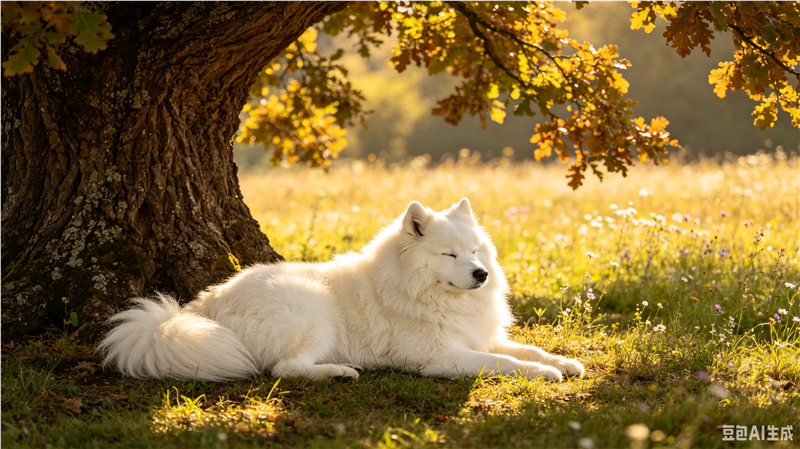
The evolution of sled dogs as a functional group is a remarkable chapter in canine history, predating even the Samoyed breed's formal isolation. Genetic studies suggest that the lineage of sled dogs diverged from other dog populations between 9,500 and 4,500 years ago, coinciding with human migrations into the High Arctic. These early proto-sled dogs were essential for human survival, enabling transportation across treacherous ice and snow, hunting for food, and offering companionship in an unforgiving climate. Their development was not a single event but a complex, iterative process of adaptation and selective breeding across different Arctic cultures.
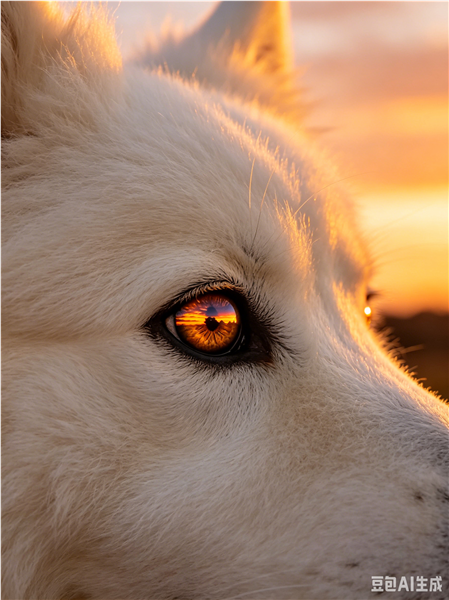
Physical adaptations were crucial for survival and work. The classic Spitz-type characteristics seen in Samoyeds and related breeds—thick double coats, erect ears, curled tails, and robust, compact bodies—are masterpieces of natural and human-driven selection. The double coat provides unparalleled insulation; the dense undercoat traps warm air while the longer guard hairs repel snow and moisture. Erect ears minimize frostbite risk compared to floppy ears, and a curled tail can be tucked over the nose during sleep for added warmth. Their powerful chests and strong, well-angulated legs are engineered for endurance and pulling power rather than sheer speed.
The Samoyedic people, leading a nomadic life with their reindeer, developed a uniquely symbiotic relationship with their dogs. Unlike some cultures that viewed dogs merely as tools, the Samoyedic people often shared their tents with these dogs, utilizing their body heat for warmth during frigid nights. This close cohabitation likely selected for traits beyond work ethic: a gentle, friendly, and trustworthy temperament. A dog that was aggressive or unreliable could not be welcomed into the family space. This historical intimacy is directly responsible for the Samoyed's famous affectionate and people-oriented nature, setting them apart from some other more independent or aloof sled dog breeds.
As Western explorers and fur traders reached Siberia in the 18th and 19th centuries, they encountered these magnificent white dogs. The dogs' strength, stamina, and remarkably good temper made a strong impression. Several Samoyeds were brought back to England and Europe in the late 1800s. Pioneering breeders like Ernest Kilburn-Scott are credited with establishing the foundation of the modern Samoyed breed outside of Siberia. While these early imports were sometimes crossed with other breeds and selected for a more uniform appearance (particularly the pure white or biscuit color), they remained true to their core heritage as sturdy, smiling, and versatile dogs.
The role of Samoyeds and their kin in polar exploration cemented their legend. They were integral to famous expeditions, including those led by Fridtjof Nansen, Roald Amundsen, and Ernest Shackleton. Amundsen's successful race to the South Pole in 1911 relied heavily on Greenland Dogs, a close cousin in the sled dog family. These expeditions provided brutal but real-world tests of the dogs' capabilities, demonstrating their incredible resilience, navigational intuition, and ability to thrive on minimal rations. The Samoyed's specific contribution was noted for its endurance and its morale-boosting presence for the explorers.
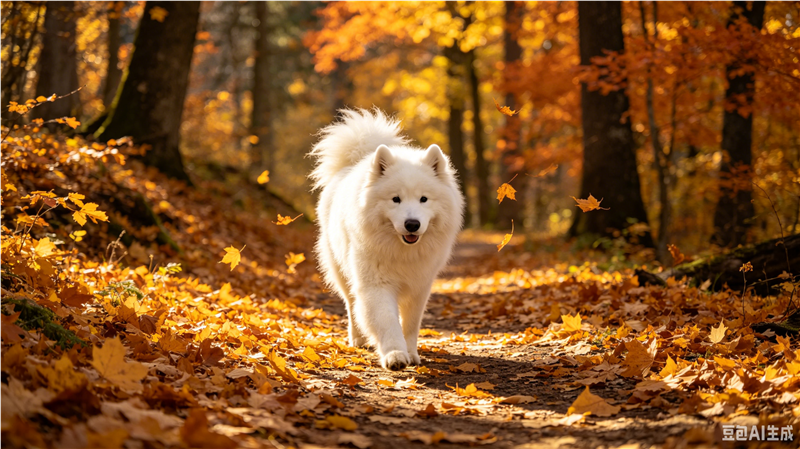
Examining the broader sled dog family tree reveals the Samoyed's relatives. Other ancient breeds like the Siberian Husky, Alaskan Malamute, and Greenland Dog share common ancestral roots in the Arctic Spitz family. However, they diverged due to geography and specialized function. The Siberian Husky, bred by the Chukchi people for lighter, faster sled pulling over long distances, is more slender and swift. The Alaskan Malamute, developed by the Mahlemut Inuit for hauling heavy freight, is larger and more powerful. The Samoyed, while a capable sled dog, retained more of its original multi-purpose herding and guarding role, resulting in a different build and temperament.
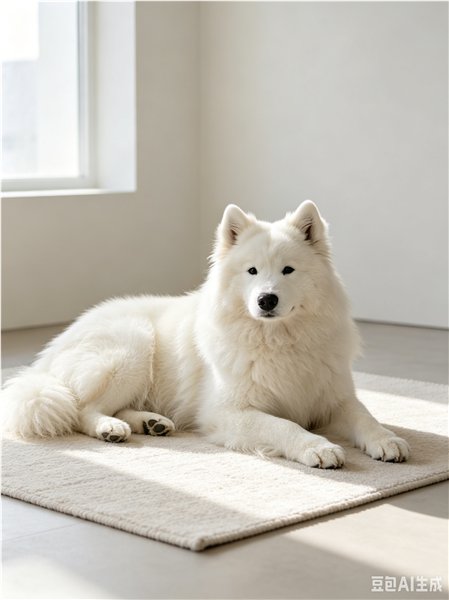
Modern genetics has shed profound light on this evolutionary history. DNA analysis confirms that sled dogs, including Samoyeds, have significant genetic admixture from an ancient, now-extinct wolf population specific to the Siberian Arctic, distinct from the wolves that contributed to other dog breeds. This introgression provided crucial adaptations for Arctic life. Furthermore, studies of their metabolism show unique adaptations for high-fat diets—essential for generating heat and energy in cold environments—and efficient nutrient utilization, which allowed them to work hard on limited food supplies.
Today, the Samoyed's role has largely transitioned from Arctic workhorse to beloved family companion and show dog. However, their heritage is never far from the surface. They excel in modern dog sports that echo their past, such as dog sledding (in cart or sled form), skijoring, herding trials, and weight pulling. Responsible breeding strives to preserve the core characteristics of health, temperament, and structure that allowed them to thrive for millennia. Their genetic legacy also contributes to science, helping researchers understand adaptation, metabolism, and even certain genetic diseases.
Understanding the Samoyed's ancestor as the Nenets Herding Laika and its place within the sled dog evolution narrative enriches our appreciation for the breed. It is not just a pretty face but a living testament to a partnership between humans and dogs that conquered one of Earth's harshest environments. Every Samoyed's smile, plush coat, and wagging tail carries the DNA of survival, companionship, and shared history with the nomadic peoples of the Siberian tundra. Their development from a versatile tribal helper to a global companion is a powerful story of co-evolution, demonstrating how function, climate, and human culture collaboratively shape a dog breed over centuries.
In conclusion, the ancestor of the Samoyed is fundamentally the ancient all-purpose Spitz-type dog of the Samoyedic peoples, a dog refined for herding, guarding, hauling, and companionship in extreme cold. This progenitor sits on a branch of the canine family tree that represents one of the earliest and most specialized adaptations to human need: the sled dog group. The evolution of these dogs from prehistoric Arctic migrants to specialized breeds like the Samoyed is a saga of incredible biological adaptation and deep cultural partnership. By preserving the Samoyed, we preserve a living link to a way of life and a chapter of canine history written in snow and sealed with unwavering loyalty.