If you've ever met a Samoyed, the first thing you likely noticed is their seemingly perpetual, joyful smile. This characteristic grin has earned them nicknames like "the smiling Sammie" or "the dog that smiles with its eyes." But is this cheerful expression a result of a constantly happy disposition, or is there a more anatomical reason behind it? The answer lies in a delightful combination of both behavior and physical structure. Let's take a deep dive into the fascinating world of Samoyed facial anatomy to uncover the secrets behind that iconic smile.
To understand the Samoyed smile, we must first look at the unique structure of their skull and muzzle. Samoyeds are a spitz-type breed, characterized by a wedge-shaped head, erect ears, and a dense double coat. Their facial bone structure is specific and functional, honed by centuries of living and working in the harsh Siberian climate. The Samoyed's skull is moderately broad between the ears, with a well-defined but not abrupt stop. The muzzle is of medium length and width, tapering gradually towards the nose but never pointed. This construction provides strength and ample space for jaw muscles.
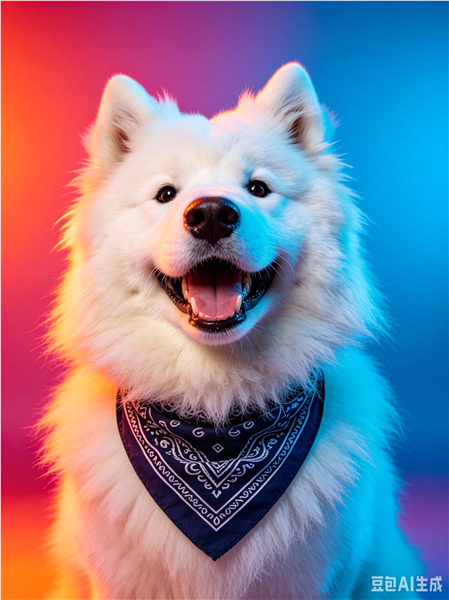
The key components contributing to the "smile" are the shape and set of the lips, the eye shape and placement, and the overall musculature. Unlike some breeds with loose, drooping lips (flews), Samoyeds have relatively tight, black-pigmented lips that fit closely over their teeth and jaws. However, the corners of their mouths have a slight, natural upward turn. This is not just skin deep; it's related to the underlying muscle attachment points on the facial bones. When a Samoyed pants or breathes with its mouth open, the lips naturally pull back, exposing the teeth in a configuration that humans instantly interpret as a broad, friendly grin.
The eyes play a crucial supporting role. Samoyed eyes are typically dark brown, almond-shaped, and set somewhat obliquely. They have a sparkling, intelligent, and friendly expression. The combination of the slightly upturned outer eye corners and the alert, interested gaze creates an overall impression of amiability. When paired with the upturned lip corners, the entire face lights up in what we perceive as a smile. The bone structure around the eye socket (the orbit) is also shaped in a way that allows for this expressive, slightly mischievous look.
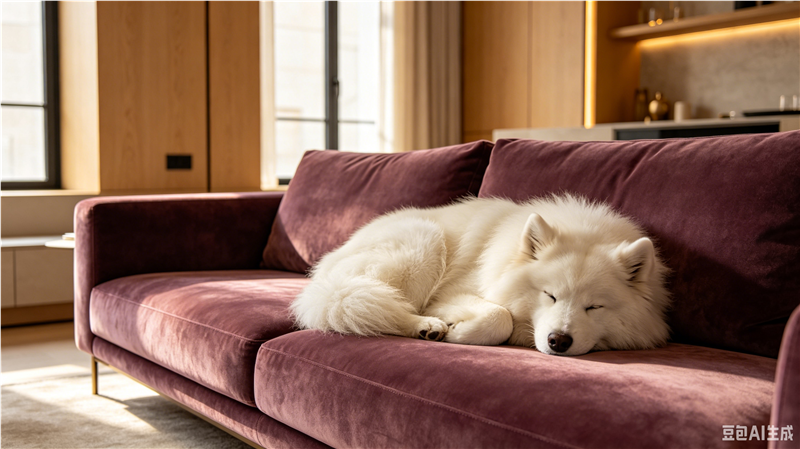
But the smile isn't just about static anatomy. Samoyeds were bred by the Samoyedic people of Siberia to herd reindeer, hunt, and pull sleds. These tasks required close cooperation with humans in extremely tough conditions. A non-aggressive, trusting, and eager-to-please temperament was essential for survival. Over generations, these traits were selectively bred for. The physical expression of this friendly temperament may have been unconsciously selected alongside it. A dog that appears friendly and approachable is more likely to be welcomed into the tent and given care. Thus, the facial structure that facilitates a smiling appearance became a hallmark of the breed standard.

Furthermore, the famous "Sammy smile" serves a practical purpose. When these dogs worked in the snow, heavy frost and ice buildup around the muzzle could be dangerous. The act of pulling their lips back into a "smile" while panting may have helped prevent ice from sealing their mouths shut. This functional behavior, repeated over a lifetime and across generations, is supported by their facial musculature and bone structure. It's a perfect example of form following function.
Let's compare this to other breeds. Breeds with very loose, hanging lips, like Bloodhounds or Saint Bernards, don't typically have a smiling expression because the lip geometry is different. Brachycephalic (short-faced) breeds like Pugs or Bulldogs have completely different skull and muscle structures that result in their own unique expressions, which can sometimes look like frowns or grimaces. The Samoyed's balance of structure and tight lip fit is somewhat unique in producing that consistent, upturned look.
It's also important to distinguish the true "Samoyed smile" from other mouth expressions. A relaxed, open-mouthed pant is the classic smile. A submissive grin, which involves pulling the lips back vertically to expose the front teeth more directly, is a different, more specific signal. Samoyeds may also do this, but the standard happy pant-smile is more common. Owners quickly learn to read the subtle differences in their dog's expressions.
Beyond the bones and muscles, the Samoyed's white (or biscuit) coat color enhances the smile. The contrast between the dark eyes, black nose, and black lip lines against the pure white fur makes every facial movement and expression more pronounced and noticeable. It's like a smile drawn in high-definition on a bright white canvas.
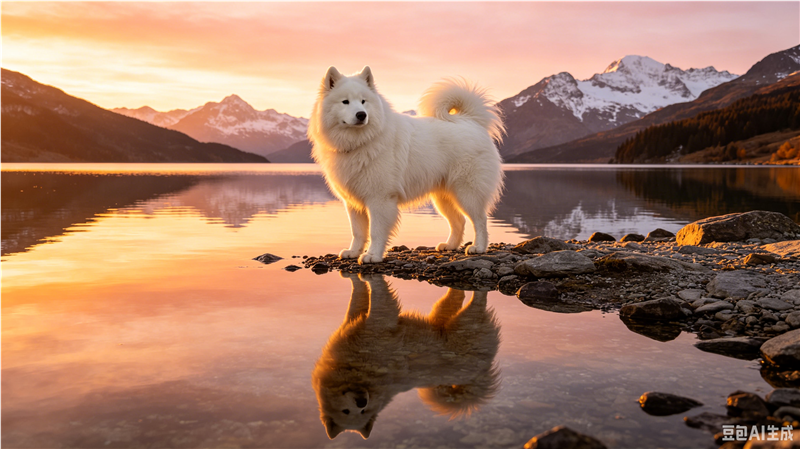
Of course, while anatomy sets the stage, temperament delivers the performance. Samoyeds are notoriously friendly, social, and people-oriented dogs. Their default emotional state is one of cheerful curiosity and affection. This inner happiness naturally manifests on their faces. The bone structure allows the expression to be visible, but the dog's genuine mood is what activates it most of the time. When a Samoyed greets you, plays, or is simply content, that anatomical predisposition for an upturned mouth is fully engaged by its joyful emotions, creating the irresistible smile that captivates everyone.
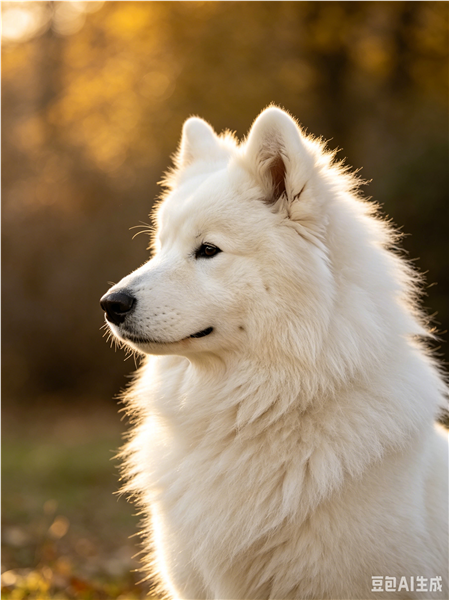
Caring for that smile is part of responsible Samoyed ownership. Regular dental care is essential, as clean, healthy teeth are a key part of a beautiful smile. Their tight lips mean they are less slobbery than some breeds, but food can sometimes get caught in the fur around the mouth, requiring gentle cleaning. Keeping them happy with plenty of exercise, mental stimulation, and companionship ensures the smile is genuine and frequent.
In conclusion, the Samoyed's enchanting smile is a masterpiece of evolutionary and selective design. It is the result of a specific facial bone structure that creates upturned lip corners, combined with expressive eyes and a luminous white coat. This physical blueprint was shaped by historical function in the Arctic and a breeding preference for a gentle, cooperative temperament. While their skeleton provides the permanent potential for a grin, it is the Samoyed's famously sunny and affectionate personality that truly brings that smile to life. So, the next time you see a Samoyed beaming at you, remember you're witnessing a beautiful harmony of form, function, and heartfelt joy—a true genetic and emotional wonder.
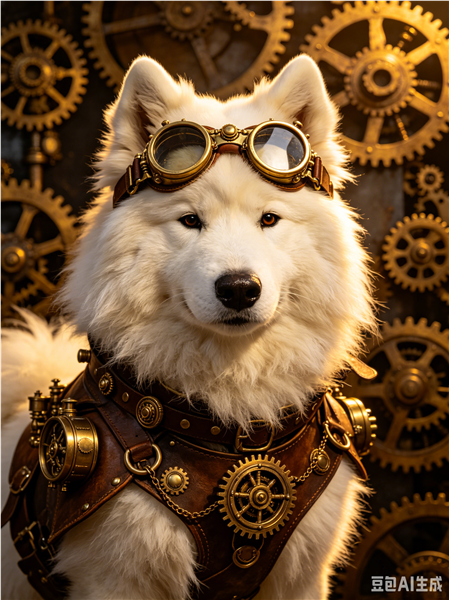
Understanding this blend of anatomy and spirit helps us appreciate the breed even more. It's a reminder that in dogs, physical traits are often deeply intertwined with their behavioral history and purpose. The Samoyed didn't just develop a smile by accident; it was crafted through a long partnership with humans in one of the world's most challenging environments. That smile is a legacy of resilience, teamwork, and unwavering friendliness, forever etched into their very bones.