The True Science of Teddy's Natural Curly Hair: A Comprehensive Guide
For countless Teddy dog owners, the signature soft, dense, and springy curls are a primary source of their pet's charm. But beyond the undeniable cuteness lies a fascinating world of genetics, biology, and specialized care. Understanding the 'why' and 'how' of your Teddy's curls is the first step towards ensuring a lifetime of healthy, beautiful fur. This article delves deep into the science behind that iconic coat, offering insights that will transform your grooming routine from a chore into a science-backed practice.
Chapter 1: The Genetic Blueprint of the Curl

The Teddy dog, often a type of Toy Poodle or a Poodle mix, inherits its curly coat through specific genetic instructions. The curl is a dominant trait, primarily governed by a gene known as the KRT71 (Keratin 71) gene. This gene is responsible for producing a protein that forms the hair shaft. In curly-haired breeds, a variation in this gene causes the hair follicle to be curved rather than straight. As the hair grows out of this curved follicle, it emerges with a natural bend or spiral. The tightness of the curl can vary based on other modifier genes and the specific lineage of your Teddy. This genetic predisposition results in a single-layered coat that grows continuously, similar to human hair, rather than shedding in seasonal cycles like many double-coated breeds. This is a key reason why Teddys are often marketed as hypoallergenic—while no dog is 100% allergen-free, the continuous growth and minimal shedding mean less dander and loose hair are released into the environment.
Chapter 2: Anatomy of a Teddy Hair Strand
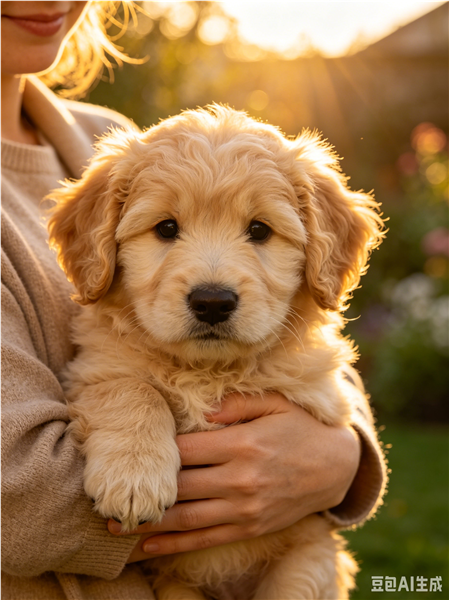
Under a microscope, a single strand of Teddy hair tells a compelling story. Unlike the cylindrical shaft of straight hair, a curly Teddy hair has an elliptical or oval cross-section. This asymmetrical shape creates points of structural weakness along the shaft, causing it to bend naturally. The cuticle, or outer layer of the hair, is also tightly packed but can be prone to lifting if not properly maintained. This lifted cuticle is what leads to tangles, mats, and a dull appearance. The inner cortex of the hair contains melanin for color and is responsible for the hair's strength and elasticity. Proper nutrition directly impacts the health of the cortex. The curl pattern also affects the distribution of the coat's natural oils, called sebum. In straight hair, sebum travels easily from the root to the tip. In curly hair, the bends and spirals impede this journey, often leaving the ends drier and more susceptible to damage while the roots may become greasy. This is why targeted conditioning is non-negotiable for Teddy coat care.
Chapter 3: The Multifunctional Purpose of the Curly Coat
This unique coat did not evolve merely for aesthetics. For the Poodle ancestors, bred as water retrievers, the dense, curly coat served as a functional insulator. The tight curls trap a layer of air close to the skin, providing warmth in cold water and coolness in warmer temperatures by facilitating airflow. The coat also acted as a protective barrier, shielding the skin from harsh underwater debris, brambles, and insect bites. While your modern Teddy may spend more time on couches than in lakes, this heritage means their coat is surprisingly resilient and adaptable to different climates, provided it is kept clean and well-maintained. The non-shedding nature was also a practical benefit for their human companions working closely with them.
Chapter 4: The Cornerstones of Curly Coat Care: A Daily & Weekly Regimen
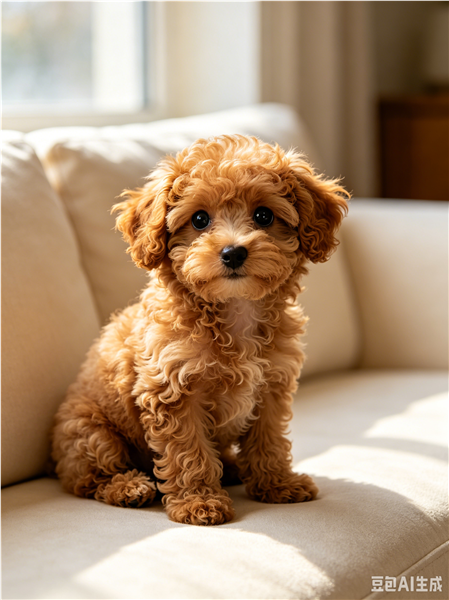
Neglect is the enemy of the Teddy curl. Without consistent care, those beautiful spirals quickly become a single, felt-like mat that is painful for the dog and difficult to remove. The core philosophy is prevention over correction.
4.1 Brushing: Technique is Everything
Forget standard brushes. A Teddy's coat requires a high-quality, long-pinned slicker brush and a metal comb with wide and narrow teeth. Brushing must be done on a damp coat, lightly misted with a detangling or conditioning spray. Dry brushing breaks hair and causes frizz. Start by gently brushing the ends of the hair to loosen small tangles, then work your way systematically to the roots. Always brush in the direction of hair growth, lifting sections to ensure you reach the undercoat. Follow every brushing session with the metal comb to check for any remaining snags—if the comb glides through smoothly, you've succeeded.
4.2 Bathing: The Hydration Ritual
Bathing frequency depends on lifestyle, but every 3-4 weeks is a good standard. Always brush thoroughly before the bath. Use lukewarm water and a premium, moisturizing, and sulfate-free shampoo formulated for curly or hypoallergenic coats. Dilute the shampoo to ensure even distribution and a gentle cleanse. Massage it into the coat down to the skin, then rinse until the water runs absolutely clear—any residue is a magnet for dirt and mats. The conditioner is not optional. Apply a rich, leave-in or rinse-out conditioner, focusing on the mid-lengths and ends. Let it sit for 5-10 minutes to allow the cuticles to smooth and absorb moisture.
4.3 Drying: Defining the Curl Pattern
Never let a Teddy air-dry. This is a cardinal rule. Air-drying causes the cuticle to swell unevenly and leads to mats and mildew. After gently squeezing out excess water with a microfiber towel, use a force-dryer (a pet hair dryer with adjustable heat and speed). Set it to warm (not hot) air and medium speed. Use your hand or a diffuser attachment to fluff and dry the coat section by section, brushing gently with a pin brush as you dry to encourage the curl to form neatly. Drying completely to the skin is essential to prevent hot spots and fungal infections.
Chapter 5: Professional Grooming & Styling
Regular professional grooming every 6-8 weeks is highly recommended. A groomer can execute breed-standard cuts like the Teddy Bear trim, which maintains a rounded face and a plush, curly body. They also perform essential health checks on the skin, ears, eyes, and nails. Discuss your desired maintenance level with your groomer, whether it's a longer, fluffier look or a shorter, more practical summer clip.
Chapter 6: Nutrition: Building Blocks for Healthy Hair
The coat is a direct reflection of internal health. A diet rich in high-quality, digestible animal proteins provides the amino acids (like keratin) necessary for strong hair growth. Omega-3 and Omega-6 fatty acids, found in fish oil, flaxseed, and certain poultry fats, are crucial for maintaining skin hydration and giving the coat a brilliant shine. Biotin, Zinc, and Vitamin E also support skin barrier function and hair follicle health. Consult your veterinarian to choose a diet that supports skin and coat health, and consider supplements if needed.
Chapter 7: Troubleshooting Common Curly Coat Problems
- Matting: Caused by friction, moisture, and lack of brushing. Small mats can be carefully worked out with fingers, a detangling spray, and a comb. Large, tight mats require careful clipping by a groomer to avoid cutting the skin.
- Dry, Brittle Hair: Often a sign of over-bathing with harsh shampoos, under-conditioning, or dietary deficiencies. Re-evaluate your products and diet, and incorporate a deep-conditioning treatment.
- Dull Coat: Lack of shine points to poor nutrition, product buildup, or incomplete rinsing. A clarifying shampoo used occasionally can remove buildup.
- Skin Issues Under the Coat: The dense fur can hide redness, hot spots, or parasites. Regular parting of the coat during brushing for skin inspection is vital.
Chapter 8: Seasonal Adjustments and Final Thoughts
Your care routine should adapt with the seasons. In humid summers, more frequent brushing may be needed to prevent moisture-induced matting. In dry winters, extra conditioning can combat static and brittleness. Consider a slightly shorter trim in hot weather for comfort. Ultimately, your Teddy's curly coat is a living, growing part of them that requires partnership. By understanding its science and committing to consistent, informed care, you do more than maintain a look—you ensure your furry friend's comfort, health, and happiness. The time invested in brushing, bathing, and bonding over grooming strengthens your connection and allows you to appreciate the incredible biological marvel that is your Teddy's natural curly hair.
Embracing this knowledge transforms grooming from a mundane task into an act of care rooted in science and love. Your Teddy's vibrant, healthy curls will be a testament to the perfect partnership between nature's design and your dedicated stewardship.