On social media, a video about a Persian cat sparked widespread attention. In the video, an elegant white Persian cat, at a fixed time every day, paces to a certain storage cabinet in the home, then without hesitation raises its front paw to precisely tap an inconspicuous round button on the side of the cabinet door. With a soft "click", the cabinet door pops open a crack, revealing an array of cat treats and toys inside. The cat skillfully uses its head or paw to push the door open, calmly selects its desired "trophy", then struts away, leaving behind amazed netizens. This cat not only mastered the complex skill of "opening doors", but even more amazing is its alarm-clock punctuality, as if it has a precise treat time reminder program built in.
1. Not Just Coincidence: Unveiling Cat Learning Ability

Many people might think this is just coincidence or the cat accidentally triggered the mechanism when first seeing such videos. However, animal behaviorists point out this precisely demonstrates cats' excellent learning ability. Cats are typical masters of "observational learning" and "trial-and-error learning".
First, keen observation is their first step to success. Cats may have countless times seen their owner press that button after which the cabinet opens and treats are taken out. They tightly associate "pressing button" with "cabinet opening" and "getting treats" to form preliminary causal logic cognition. Although Persian cats are known for being quiet and lazy, their observation is no less than other active breeds.
Second is powerful associative memory. Although cat brain structure differs from humans, their hippocampus (responsible for memory) is very developed. They can remember behavioral sequences beneficial to themselves. When the cat first possibly accidentally touched the button and unexpectedly received a reward, this "behavior-reward" positive feedback was firmly imprinted in memory, prompting it to continuously repeat this behavior to obtain rewards again.
Finally is precise movement imitation and coordination. Using a paw to tap a specific location requires good hand-eye coordination and force control. Through repeated observation and attempts, cats finally master using just the right amount of force and angle to trigger the mechanism, proving they not only can "think" but also "do".
2. Driving Forces Behind the Behavior: Not Just "Greedy"
This Persian cat's persistent "clock-in" behavior is driven by far more than just craving treats.
1. Instinct and Need: Obtaining food is a core survival instinct for animals. In the wild, cats need to spend much energy hunting. After domestication, this instinct transforms into exploration and control over food access methods. "Opening" the food storage themselves may psychologically satisfy their primitive hunting control desire.
2. Boredom and Enrichment: For household pets, especially indoor cats with limited activity space, life may lack challenge and stimulation. "Opening the treat cabinet" becomes an excellent intellectual game and enrichment activity. The process itself—observation, planning, execution, success—brings mental satisfaction possibly as important as eating the treats. It breaks daily monotony, providing necessary mental exercise for cats.
3. Habit and Ritual: Cats are extremely habitual animals. The same thing happening at a fixed time daily forms a reassuring "ritual". This Persian cat may have internalized "3 PM—go to cabinet—tap button—eat treats" as part of daily life. Performing this ritual itself brings pleasure and security.
4. Interaction with Owner: Sometimes such behavior may also be an indirect social interaction. Cats may discover that when they successfully open the cabinet, it triggers huge reactions from the owner (surprise, laughter, photos), and this attention itself is also positive reinforcement. They enjoy being the center of attention.
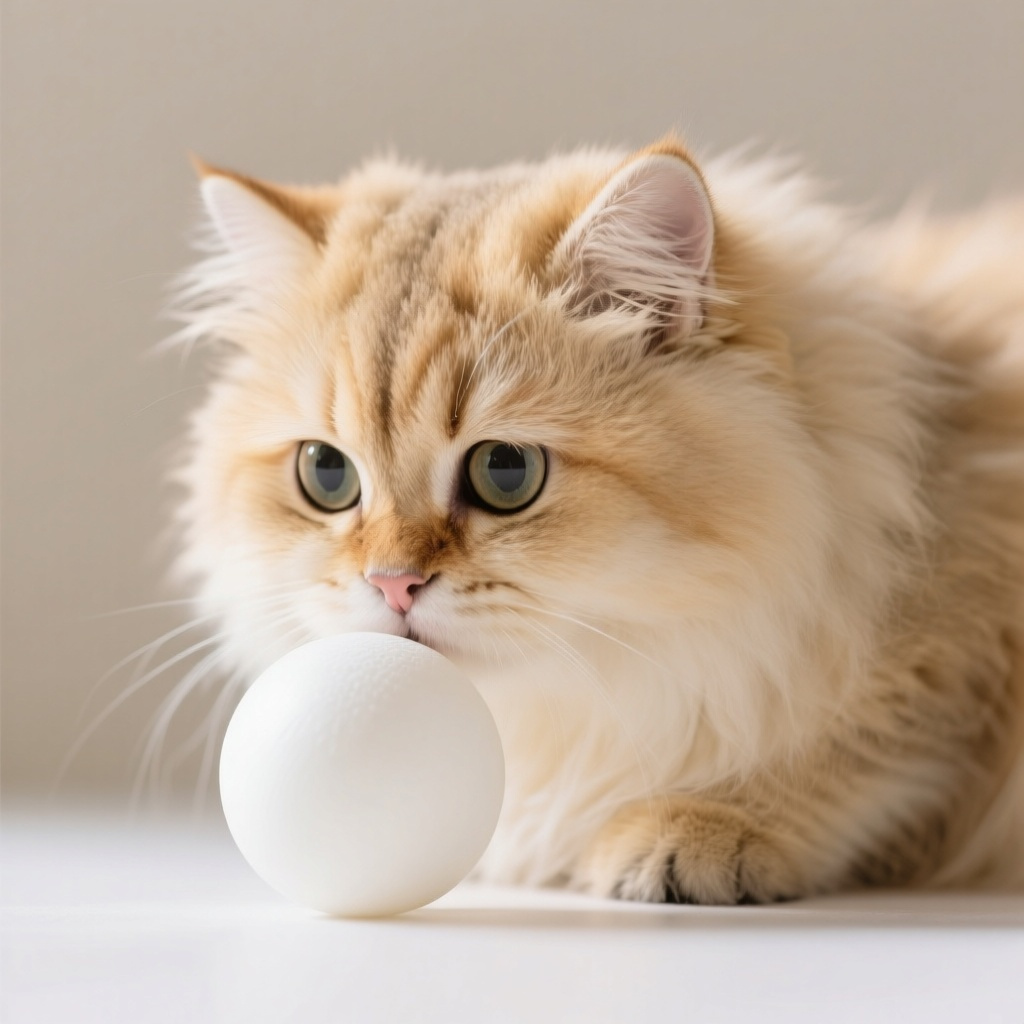
3. How High is Cat Intelligence Really?
Regarding cat intelligence, the scientific community generally believes adult cats' intelligence level is approximately equivalent to 2-3 year old human toddlers, and may be even higher in some areas (like solving specific spatial and mechanical problems). They possess the following cognitive abilities:
· Object Permanence: Knowing that things not seen haven't disappeared. This is why they persistently look for hidden toys or treats.
· Simple Causal Reasoning: Like the treat cabinet example, they can understand the simple causal relationship of "pressing button" leading to "door opening".
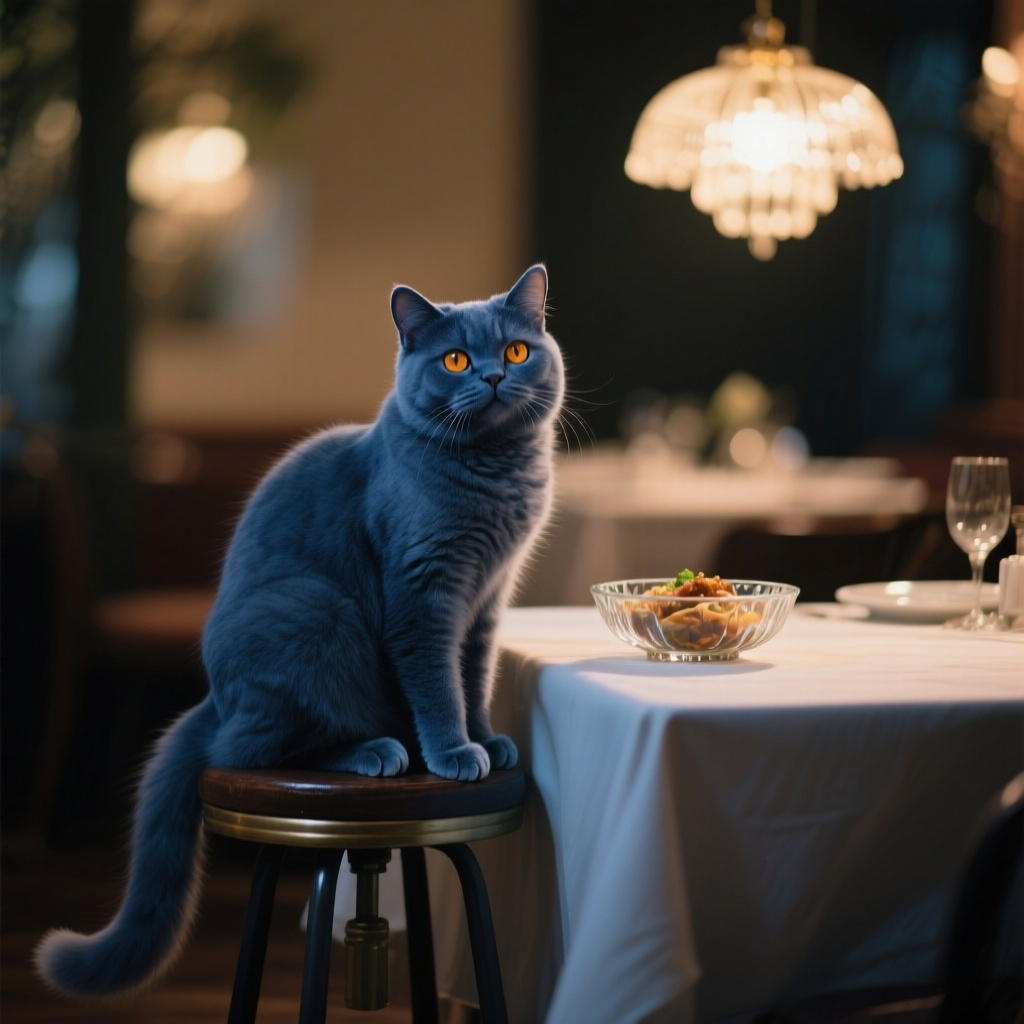
· Fuzzy Quantity Cognition: Studies show cats can distinguish "more" from "less" and have basic concepts of smaller quantities.
· Long-term Memory: Especially memories related to strong emotions (like fear, pleasure) or survival (food locations, danger zones) can be maintained for years.
However, cat intelligence tests differ from dogs. Dogs are more inclined to solve problems through cooperation and pleasing humans, while cats are more independent, focusing on solving problems directly related to their own interests. Therefore, a "disobedient" or indifferently responsive cat doesn't mean it's not smart—it may just feel "no need" to cooperate with you.
4. How to Discover and Guide Your Cat's "Hidden Skills"?
Seeing other people's "genius cats", are you also itching to try? Actually, every cat has learning potential. Through correct methods, you can not only prevent them from learning "destructive skills" (like turning on faucets, opening cabinets to steal food), but also guide them to learn interesting and益智 behaviors.
1. Use Positive Reinforcement: This is the golden rule for training any animal. When the cat performs the behavior you expect (even if just accidentally approaching the goal), immediately give its favorite reward (treats, petting, or verbal praise). Remember not to use punishment—this only makes cats fearful and confused, destroying trust between you.
2. Break Down Goals, Shape Progressively: Want to train a cat to high-five? Don't expect it to do it all at once. First reward it for raising its paw, then reward it for raising its paw and bringing it near your hand, finally reward it for touching your palm with its paw. Break complex behaviors into small steps, progressing gradually.
3. Choose Suitable Training Tools: Clicker training is an excellent tool for marking correct cat behavior. A "click" sound clearly tells it "that action just now was right, reward coming soon". Puzzle feeders, treat-dispensing balls and other tools can turn eating into a brain game, naturally stimulating their problem-solving ability.
4. Respect Individual Differences, Maintain Patience: Every cat has different personality and interest points. Some are extremely food-motivated, while others love toys or interaction more. Find your cat's "motivation source". Training sessions should be short (5-10 minutes each), ending before the cat loses interest to maintain freshness and enjoyment.
5. Provide Rich Environmental Enrichment: Set up multiple cat trees, cardboard boxes, hidden treats, moving toys. An environment full of exploration opportunities is itself daily exercise for cats' cognitive abilities.
5. Warnings and Responsibilities Behind "Genius Behavior"
While celebrating our pets' cleverness, as responsible cat owners, we also need to see potential problems hidden behind these behaviors.
1. Safety First: Behaviors like opening treat cabinets, while interesting, may lead cats to eat things they shouldn't (like chocolate, raisins, human medications), or contact dangerous items. For smart cats with "escape" or "exploration" tendencies, be sure to do home safety protection, lock cabinets, and put away dangerous items.
2. Health Management: Being able to obtain unlimited treats themselves is a huge threat to cats' weight and health. Obesity is one of the most common health problems for house cats, triggering multiple complications like diabetes and joint disease. Food sources must be managed, controlling daily total calorie intake.
3. Talent, Also Burden: Overly clever cats, if not given enough mental stimulation and physical activity, are more prone to psychological problems or destructive behaviors from boredom (like excessive grooming, aggression). Owners need to invest more time in interaction and companionship.
Conclusion: Their World is More Wonderful Than We Imagine
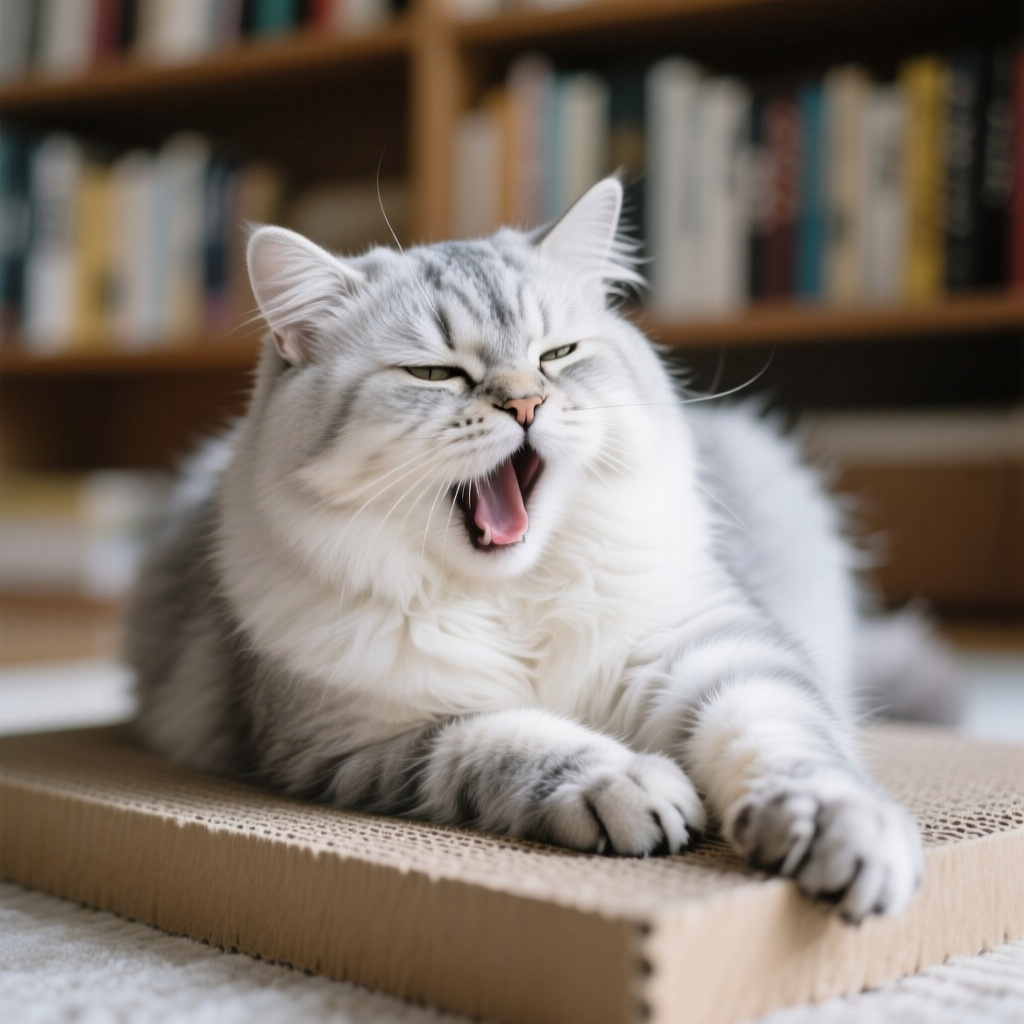
That Persian cat clocking in punctually daily to open the treat cabinet is like a window, giving us a glimpse into a corner of the cat's inner world—a world full of logical exploration, causal connection, patient waiting, and persistent pursuit. Their intelligence doesn't exist to please humans, but is an innate talent they possess as independent, agile survivors.
As companions, we may never fully understand every dimension of cat thinking, but we can establish deeper connections with them through observation, respect, and guidance. Next time your cat does some "smart" or "silly-cute" behavior that baffles you, have a bit more patience to interpret. It may not be accidental, but it conversing with you, and the world, in its own unique and interesting way. In the process of accompanying these fluffy little lives, we're not just feeders and protectors, but the first audience and recorders of their marvelous abilities. This joy of living together is perhaps the most precious gift beyond species that pet ownership brings us.
So tonight after going home, why not take out a treat, design a simple little game, and see what surprise your "master" brings you! Remember, every cat is a potential "genius".