Regular physical examinations cannot be less! Comprehensive health screening from genetic testing to gait monitoring
In the fast-paced modern life, pets have become an indispensable member of our family. They give us unconditional love and companionship, and as responsible pet owners, our greatest reward is to protect their health. However, pets cannot express discomfort in words. Many diseases have hidden symptoms in the early stages. Once obvious clinical manifestations appear, they often enter the middle and late stages. The difficulty and cost of treatment increase significantly, and the prognosis may be unsatisfactory. Therefore,regular and comprehensive health screening is no longer a luxury option, but the cornerstone of scientifically nurturing pets and practicing the concept of "prevention is better than treatment". This article will systematically explain how to build a comprehensive health defense line from genes to behaviors for pet lovers.
1. Why is routine physical examination far from enough? Understand the levels of health screening
Many pet owners believe that letting the doctor listen to the heart and lungs and touch the stomach during the annual vaccination is a "physical examination." This is certainly a basic and important part, but truecomprehensive health screening is a multi-dimensional and in-depth evaluation system. It aims to proactively detect problems in subclinical conditions rather than passively waiting for a disease to break out. We can divide screening into several levels:

- Basic level:physical examination (visual, touching, tapping, listening), basic body temperature/weight monitoring, fecal parasite examination. This is an item that should be done for every visit.
- Core layer:Hematology tests (blood routine, complete biochemistry), urinalysis, basic imaging (such as X-ray). This is the core content of the annual physical examination and can effectively assess the function of internal organs.
- Advanced levels:Endocrinology tests (such as thyroid and adrenal function), screening for specific infectious diseases (such as heartworm, Lyme disease, etc.), abdominal ultrasound. Suitable for middle-aged and elderly pets or individuals at risk of specific breeds.
- Frontier layers:genetic testing, depth imaging (such as CT, MRI), advanced cardiac screening (such as cardiac ultrasound, Holter monitoring), gait and motor function analysis. These projects can provide deeper health insights, which are especially important for the prevention of genetic diseases in breeds and the improvement of the quality of life of elderly pets.
A complete health management plan should dynamically combine screening items at different levels based on the pet's age, breed, life history and health status.
2. Insight into the blueprint of life: Genetic testing-the starting point for preventing problems before they occur
Genes are the code of life and determine a pet's innate susceptibility to specific diseases. Genetic testingby collecting oral swabs or blood samples and analyzing DNA sequences can:
- Predicting the risk of genetic diseases:Many purebred dogs and cats have a high incidence of genetic diseases, such as:
- Dogs: Dilated cardiomyopathy (DCM) in Doberman dogs, multiple genetic cancer risks in golden retrievers, progressive retinal atrophy (PRA) in cocker spaniels.
- Cats: Hypertrophic cardiomyopathy (HCM) in Maine cats, polycystic kidney disease (PKD) in ragdoll cats, pyruvate kinase deficiency (PKdef) in Abyssinian cats.
- Guide scientific breeding:For breeders, genetic testing is a key tool to avoid passing on disease-causing genes to the next generation, helping to reduce the incidence of genetic diseases at the source.
- Interpreting individual traits:Some tests can also provide information about body size, coat color, and behavioral tendencies (such as the intensity of collie's "aggregation drive") to help owners better understand and manage their pets.
- Personalized medication guidance:Certain genotypes can affect drug metabolism (such as mutations in the MDR1 gene that lead to sensitivity to drugs such as ivermectin). Test results can provide important reference for veterinary medication and avoid adverse drug reactions.
The best time to conduct genetic testing is in early childhood. The sooner you understand it, the better preventive measures can be deployed in advance.
3. Looking into the inside world: Blood, urine and imaging-Assessment of function and structure
This is the "mainstay" of health screening and directly reflects the current physical condition of the pet.
1. Blood test: the body's "chemical report"
Blood routine (CBC)evaluates the cellular components of the blood (red blood cells, white blood cells, platelets) and can indicate anemia, infection, inflammation, coagulation problems and even blood tumors. The full biochemical itemis like an organ function report: liver enzymes (ALT, ALP) reflect liver health; creatinine (CRE) and urea nitrogen (BUN) evaluate renal filtration function; blood sugar (GLU) monitors diabetes; total protein (TP) and albumin (ALB) are related to nutrition and liver synthetic function; calcium and phosphorus (Ca, P) levels are related to bone and kidney metabolism. For elderly pets, it is recommended to increase endocrine tests such asthyroid (T4) and adrenal (cortisol), because the incidence of hypothyroidism and Cushing's syndrome increases significantly after middle age.
2. Urinalysis: A window into kidneys and metabolism
Urine testing not only looks at the concentration function of the kidneys, but also detects urinary tract infections, crystallizations, diabetes, early kidney damage (through the ratio of urine protein-to-creatinine to UPC), etc. Combined with blood biochemistry, a more accurate assessment of kidney health can be made (IRIS staging).
3. Imaging examination: "Visualize" the internal structure
- X-ray (DR):Rapid assessment of thorax (heart size, lung fields), abdomen (organ outline, presence or absence of foreign body), bones and joints (arthritis, dysplasia). It is a powerful tool for screening for cardiopulmonary diseases, stones, and tumor metastases.
- Ultrasound (B-ultrasound):No radiation, can dynamically observe the internal structure of the organ in real time. Abdominal ultrasound can examine in detail the substantial echoes and blood flow of the liver, gallbladder, spleen, kidney, bladder, intestine, and lymph nodes, and find tumors, cysts, inflammation, stones, etc. Cardiac ultrasound (echocardiography) is the gold standard for the diagnosis of structural heart diseases (such as valvular disease, cardiomyopathy).
- Advanced imaging:When neurological disease, complex orthopedic problems, or deep tumors are suspected,computed tomography (CT) andmagnetic resonance imaging (MRI) can provide extremely detailed cross-sectional images that provide a decisive basis for diagnosis and surgical planning.
4. Capture subtle changes: cardiology specialist screening and gait monitoring-focusing on core functions and quality of life
For pets of specific breeds (such as King Charles, Dobermans) or entering old age (usually dogs 7 years old and cats over 10 years old), the heart and motor system are areas that need to be focused on.
1. Cardiac specialist screening
In addition to auscultation and X-rays, more in-depth examinations include: Echocardiography:Accurately measuring the size of the heart chamber, wall thickness, valve function and contractility is an essential means for diagnosing cardiomyopathy and heart valve disease. Blood pressure measurement:Hypertension is a common disease in elderly cats. It can damage eyes, kidneys, heart and brain and requires regular monitoring. Electrocardiogram (ECG) and 24-hour dynamic electrocardiogram (Holter):Used to detect arrhythmia. Some fatal arrhythmias (such as ventricular tachycardia) are difficult to capture during brief office examinations, and Holter monitoring can provide round-the-clock ECG data to assess risk.
2. Gait and motor function monitoring
This is an easily overlooked but extremely important link, especially for elderly pets who are at risk of joint disease (such as dog breeds with hip/elbow joint dysplasia) or who already have arthritis.
- Physical examination and palpation: Theveterinarian uses specific techniques to check joint range of motion, pain, muscle atrophy and ligament stability.
- Visual analysis of gait:Observe the pet's posture when walking and trotting, and see if there is limping, swinging, shortened stride or difficulty getting up.
- Quantitative Gait Analysis (Pressure Plate System):This is a more objective and accurate tool. Pets walk on a special pressure sensing board, and the system can record the pressure distribution, weight bearing ratio, standing time and other data on each foot. The degree of claudication can be quantitatively assessed, the effects before and after surgery or medical treatment can be compared, and the progress of arthritis can be objectively monitored.
- Imaging confirmation:X-ray is the basis for diagnosing joint dysplasia and osteoarthritis, and CT is sometimes needed to obtain more detailed three-dimensional structure information of the joint.
5. How to develop a screening plan for your pet? A full life cycle guide
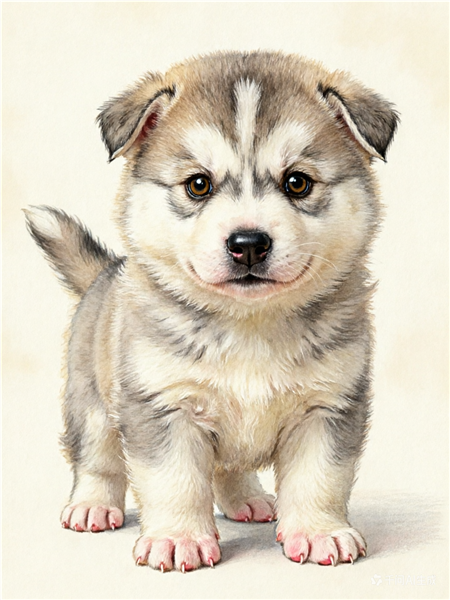
Childhood (under 1 year old):Before completing basic immunization and sterilization, conduct the first comprehensive physical examination and establish a health record. Genetic-related testingmay be considered. For medium and large dogs and puppies, X-rays can be taken at the age of 4-6 months and about 1 year old to initially screen for hip/elbow joint dysplasia.
Young adults (1-7 years old):Conduct acore physical examination every year (physical examination + blood routine + biochemistry + urine test + possible heartworm test). Maintain a healthy weight and pay attention to dental health.
Middle age (dogs 7-10 years old, cats 8-12 years old):Entering the "golden age of pets" is also a period when subclinical diseases begin to increase. It is recommended to increase the frequency of physical examinations toevery six months. On the basis of the annual core inspection, it is strongly recommended to add:
- Abdominal ultrasound (especially in cats, for early detection of kidney changes, thyroid nodules, etc.).
- Thyroid function test (required for both dogs and cats).
- Blood pressure measurement (especially cats).
- Urine protein-creatinine ratio (UPC).
- Depending on the breed and physical examination results, consider cardiac ultrasound or X-ray screening.
- Start regular gait assessments and joint examinations.
Elderly (dogs over 10 years old, cats over 12 years old): Atthis time, pets are truly "silver-haired people" and need to be given meticulous health care like elderly family members. Adhere toa comprehensive inspection every six months, and the project should cover thecore level, advanced level and some cutting-edge levels. Closely communicate with veterinarians to develop personalized monitoring and treatment plans based on previously discovered problems (such as chronic kidney disease, heart disease, arthritis). Assessments of quality of life (such as appetite, spirit, activity, pain control) are as important as laboratory indicators.
Conclusion: Health screening is the best investment for the future
Conducting comprehensive health screening for pets may seem like a small expense, but it is actually the most efficient investment in the healthy life and future quality of life of pets. It allows us to shift from "passive treatment" to "active management", and from "treating existing diseases" to "treating diseases before they are". Every screening is an in-depth health dialogue with our pets, allowing us to gain insight into potential risks earlier, take interventions more calmly, prevent them from suffering unnecessary pain, and allow us to enjoy them for a longer time. Healthy and lively companionship.
Remember that the person who knows your pet best is you. Carefully observe changes in their daily behavior, appetite, excretion and mental state, and maintain good communication with your trusted veterinarian to jointly develop and implement a personalized health screening plan that best suits your pet. Let science and care jointly protect the health of Mao children throughout their lives.