On social media, budgerigars (budgies) always capture countless people's attention with their colorful feathers, lively and active presence, and occasional cute mimicry of "human speech." Their affordable price and small size make many people think, "Raising a little bird should be simple, right?" Thus, they impulsively place an order and bring a small life home. However, the reality of keeping them is far from the relaxed and beautiful scenes seen in short videos. If you belong to the following five types of people, please calm down. For the sake of the parrot and for yourself, temporarily put aside the thought of keeping one.
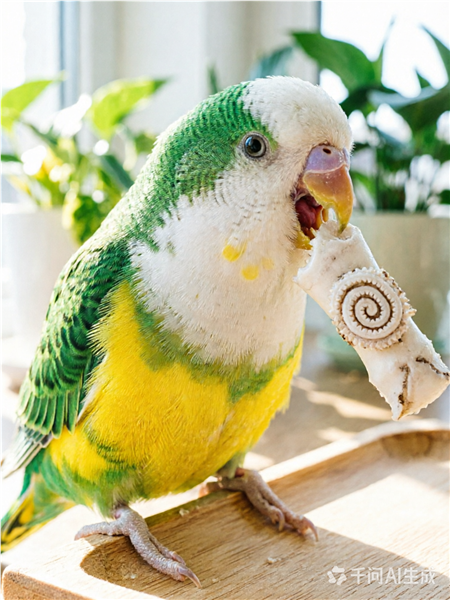
Type 1: The Impulsive, Novelty-Seeking "Three-Minute Enthusiast"
Symptoms: Completely captivated by the budgie's "looks" and cute online videos, without any in-depth understanding, deciding to buy one purely on a whim. The imagination is filled only with warm scenes of interaction and play, with no concept of the responsibility that follows for several years or even over a decade.
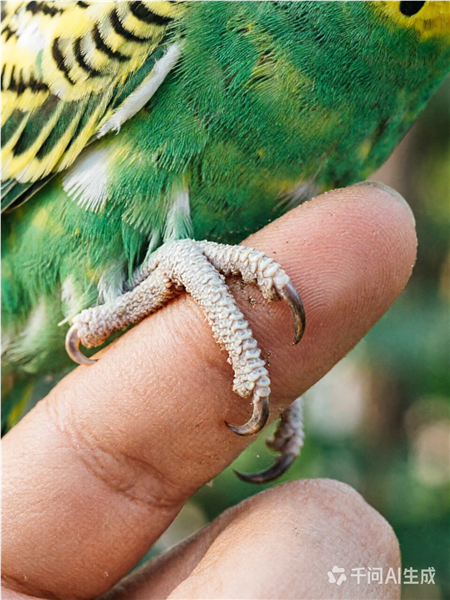
Reason to Reconsider: The average lifespan of a budgerigar is 7-10 years, and with proper care, they can even live over 12 years. This is not a toy to be disposed of at will, but a life for which you need to take long-term responsibility. Many people, after the novelty wears off (usually within a few months), begin to feel annoyed by the daily feeding, water changing, and waste cleaning, find their chirping noisy, and ultimately end up neglecting, rehoming, or even abandoning the parrot. Abandoned pet birds have almost no survival ability in the wild, leading to very tragic outcomes. Before keeping one, ask yourself honestly: Are you prepared to care for it diligently day after day for the next ten years?
Type 2: The Severe Perfectionist with Germophobia or an Obsession with Absolute Household Cleanliness
Symptoms: Cannot tolerate the slightest clutter or odor in the home, desires everything to be perfectly orderly and spotless.
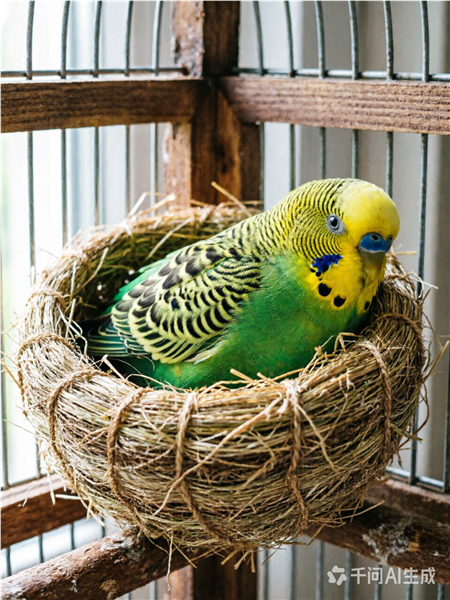
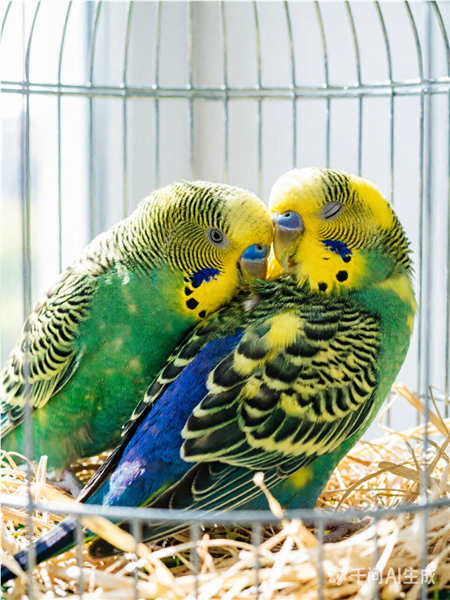
Reason to Reconsider: Keeping birds essentially means inviting a "miniature poop machine" and "feather dander generator" into your life. Budgerigars have a fast metabolism; they defecate anytime, anywhere. This means bird droppings can appear around their cage and anywhere they might fly to (if you allow them out of the cage). You will need to clean the tray daily, wipe perches, and even mop the floor. Furthermore, birds produce a significant amount of feather dander (similar to fine skin flakes) during preening and normal metabolism. This dander floats in the air and settles on furniture. For those with sensitive respiratory systems or severe germophobia, this can be a nightmare. Even if you clean diligently, your home will never return to that state of "absolute cleanliness" it had before getting a bird.
Type 3: The Extremely Busy, Frequently Traveling, or Unsettled "Frequent Flyer"
Symptoms: Leaves early and returns late daily, overtime is the norm, rarely rests even on weekends; or needs to travel frequently, being away from home for days or even weeks; or has an unstable residence due to work, study, etc., often needing to move.
Reason to Reconsider: Budgerigars are social animals; they require a lot of companionship and social interaction. Being left alone in a cage for long periods can lead to serious psychological and behavioral issues such as depression, anxiety, and feather-plucking (pulling out their own feathers). Additionally, their daily care requires a stable routine: providing fresh food and water daily, offering an appropriate amount of vegetables and fruits, and monitoring their health. If you are often not home, these basic needs cannot be guaranteed. Finding a reliable, bird-knowledgeable boarding home when traveling is not easy. Frequent moving is also highly stressful for birds; environmental changes can make them extremely anxious. If you cannot provide a stable, companionship-filled living environment, please do not start.
Type 4: The Person with a Very Tight Budget Who Thinks Keeping Birds "Costs Nothing"
Symptoms: Thinks birds are cheap, cages and bowls aren't expensive either, and后续 costs are just buying some millet, which won't cost much.
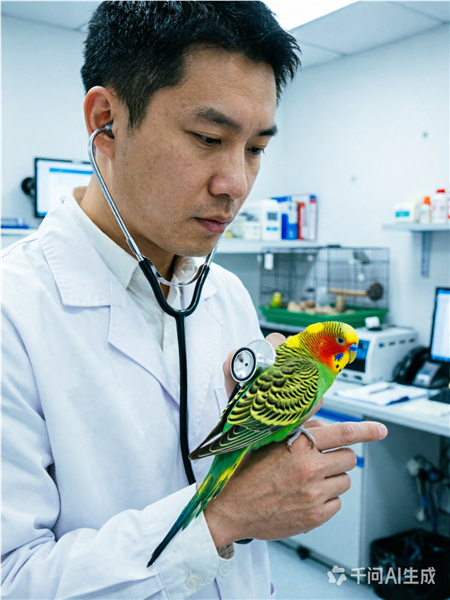
Reason to Reconsider: This is one of the biggest misconceptions. The "entry fee" is just the tip of the iceberg. Let's calculate the real long-term costs:
- Initial Investment: A sufficiently large flight cage (not a display cage) costs at least several hundred; quality perches, food and water dishes, toys (to prevent boredom), cuttlebone or mineral blocks, etc.
- Ongoing Expenses: The staple diet should not be cheap millet but a nutritionally balanced seed mix or pellets, supplemented with daily fresh vegetables and fruits. These are long-term costs.
- Health Costs: This is the most unpredictable and potentially expensive part. Exotic animal veterinarians are very scarce, and consultation fees are high. A routine check-up or fecal exam can cost several hundred. If common issues like respiratory infections, digestive problems, injuries, or parasites occur, treatment costs can easily exceed a thousand. Many people, unable to afford medical fees, choose to let the bird "fend for itself."
Keeping a pet is a luxurious commitment. Please ensure you have stable financial capability to handle its "food, clothing, shelter, transportation, and medical care."
Type 5: The Impatient Person with High Expectations, Wanting to "Tame" Rather Than "Accompany"
Symptoms: Hopes the parrot will quickly learn to talk, perform tricks, obey commands, and interact like a dog. If the parrot is not affectionate or cooperative, easily becomes frustrated or even angry.
Reason to Reconsider: Every budgerigar has its own unique personality. Some are naturally affectionate, others are timid and sensitive. They are not machines; they cannot develop according to your preset program. Building trust requires a long time and great patience, possibly measured in weeks or even months. You need to start by being present at a distance, gradually getting closer, hand-feeding, all without forcing the process. As for talking, males have a higher probability, and it requires repetitive teaching—not every bird will learn. If you expect a pet you can show off, one that is "obedient," a budgerigar will likely disappoint you. The essence of bird keeping lies in observing and appreciating their natural behaviors, enjoying quiet companionship with each other, and respecting their nature as independent beings. Using forceful methods (like spraying water, time-outs) or coercion to "tame" will only destroy trust and cause permanent psychological trauma.
Conclusion: Love is Responsibility, Not Possession
Writing this "Guide to Discouragement" is not to deny the joy budgerigars bring as pets. On the contrary, precisely because we deeply understand the immense happiness and healing that can come from forming a bond with these little lives, we hope even more that this relationship begins with rationality and lasts long. When considering any pet, the primary consideration should not be "what I want," but "what I can give it." If, after careful thought, you confirm you do not belong to the above five types, and are willing to learn scientific care knowledge, prepared to invest time, money, and emotion, then welcome to embarking on a wonderful journey of mutual companionship with a budgerigar. Your world may have many wonders, but in the eyes of that little bird who chooses to trust you, you are its entire world. Please be sure not to betray this heavy reliance.
Before deciding, you might consider doing the following: 1. Read at least two professional books on budgerigar care; 2. Lurk for an extended period in forums or communities to understand the real daily life shared by keepers (including troubles and illnesses); 3. If possible, try short-term pet-sitting for an experienced bird owner or visit frequently to interact. Let rationality precede impulse; this is the greatest respect for life.