How Many Types of Chinese Rural Dogs Are There? The Most Comprehensive Science Popularization on the Classification of Rural Dogs in the Local Area
Chinese rural dogs, often referred to as "Tu Gou" or native village dogs, represent one of the oldest and most genetically diverse canine populations in the world. Unlike standardized Western breeds, these dogs are a product of natural selection and adaptation to China's vast and varied landscapes over thousands of years. This article delves deep into the fascinating world of these indigenous canines, providing a comprehensive classification based on geography, morphology, and function.
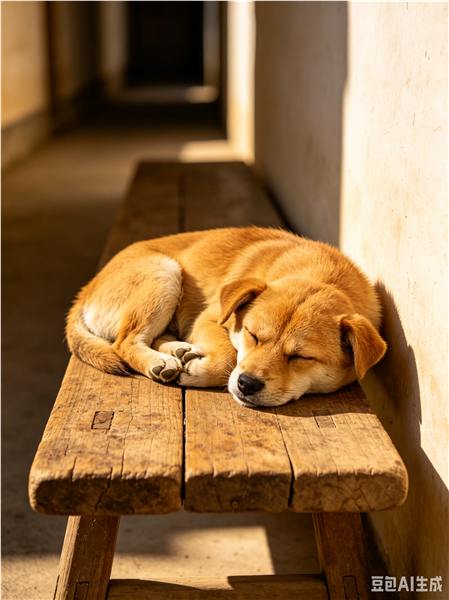
Understanding the Chinese Rural Dog
Before classifying them, it's crucial to understand what defines a Chinese rural dog. They are not a single breed but a landrace—a domestic animal variety that has developed over time through adaptation to its local natural and cultural environment, with minimal selective breeding by humans. They are characterized by their intelligence, hardiness, strong survival instincts, and a remarkable genetic reservoir that has contributed to many modern breeds.
Primary Classification by Geographical Region
The most common and practical way to classify Chinese rural dogs is by their geographical origin, which heavily influences their physical and temperamental traits.
1. Northern Chinese Rural Dogs
Found in the cold, arid plains and mountains of North China (e.g., Hebei, Shanxi, Inner Mongolia). These dogs are typically larger, with a more robust bone structure. They possess a thick double coat—a dense undercoat for insulation and a longer, coarser outer coat—often in shades of yellow, brown, or black-and-tan. Their ears are commonly erect or semi-erect, and they have a curled tail carried over the back. Built for endurance in harsh climates, they are known for their loyalty and guarding abilities.
2. Southern Chinese Rural Dogs
Inhabiting the subtropical and tropical regions south of the Yangtze River (e.g., Guangdong, Guangxi, Fujian). Southern types are generally medium to small in size, with a leaner, more agile build suited for warmer, humid climates. Their coats are shorter, smoother, and lie flat, coming in a wider array of colors and patterns, including brindle and spotted. Ears can be erect, semi-erect, or dropped. They are often exceptionally alert, agile, and have a high prey drive, historically used for hunting small game and vermin control.
3. Southwestern & Plateau Rural Dogs
Native to the high-altitude regions of Yunnan, Guizhou, Sichuan, and the Tibetan Plateau. These dogs are incredibly hardy, adapted to thin air and rugged terrain. They often resemble ancient pariah dog types, with a medium build, a thick but variable coat, and strong limbs. Colors are often earth tones. Tibetan-area village dogs, in particular, are considered ancestors of many large mastiff-type breeds. They are independent, resilient, and excellent livestock guardians.
4. Eastern Chinese Rural Dogs
From the fertile plains and coastal areas (e.g., Jiangsu, Zhejiang, Shandong). This group shows a mix of northern and southern influences. They are often well-proportioned, with a versatile build. Coat types vary from medium to short. Their temperament is often described as balanced—intelligent, trainable, and good-natured, reflecting their history in agricultural and coastal communities.
Classification by Morphology and Phenotype
Beyond region, rural dogs can be grouped by visible physical traits, though these often overlap with geographical categories.
By Size:
- Large: Often found in the north and plateau regions. Shoulder height over 55cm.
- Medium: The most common size nationwide, highly versatile.
- Small: More prevalent in the south and in urban fringes.
By Coat:
- Long-haired: Predominantly northern and high-altitude types.
- Short-haired: The standard for southern and eastern types.
- Coat Color & Pattern: Includes solid yellow ("Huang Gou"), solid black ("Hei Gou"), black-and-tan, white, brindle, and spotted.
By Physical Features:
- Erect-eared vs. Dropped-eared: Erect ears are common, but dropped ears appear in many lineages.
- Curled Tail vs. Sickle Tail: A tightly curled tail over the back is a classic northern trait, while a sickle-shaped tail is more common elsewhere.
Functional Classification (Historical Roles)
Their roles in rural society have also shaped their development.
- Guardian Dogs: Larger northern and plateau types, vigilant and protective of property and livestock.
- Hunting Companions: Southern and smaller types, agile with a strong sense of smell and sight for flushing birds or hunting small animals.
- Vermin Controllers: A universal role, keeping farms and homes free of rodents.
- Herding Dogs: In some pastoral areas, certain types assist in herding sheep or cattle.
The Genetic Tapestry: Why Classification is Fluid
It is vital to note that these classifications are not rigid. Chinese rural dogs exist on a spectrum. Centuries of trade, migration, and human movement have led to significant gene flow between regional populations. A dog in a central province may exhibit a blend of northern and southern traits. Modern transportation has further mixed these populations. Genetic studies show they are a foundational stock from which many East Asian and global breeds descended, but they themselves remain a dynamic, unstandardized population.
Recognized Breeds vs. Rural Landraces
Some standardized Chinese breeds, like the Chow Chow, Shar-Pei, or Chongqing Dog, have their origins in specific regional types of rural dogs. However, through selective breeding for specific traits, they have become distinct, recognized breeds. The vast majority of rural dogs do not conform to any breed standard and represent the pure, adaptive landrace.
Conservation and Importance
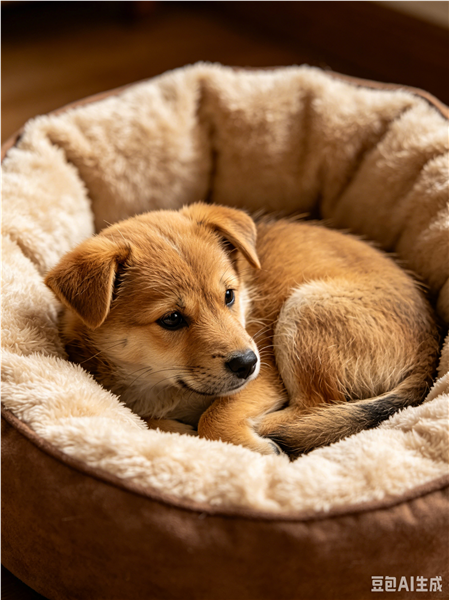
Chinese rural dogs are a living genetic treasure. Their diversity equips them with natural resistance to local diseases and parasites. They are a testament to canine evolution alongside human civilization. However, they face threats from urbanization, crossbreeding with popular foreign breeds, and cultural prejudice. Recognizing and valuing their regional types is the first step toward conserving this invaluable biological and cultural heritage.
Conclusion
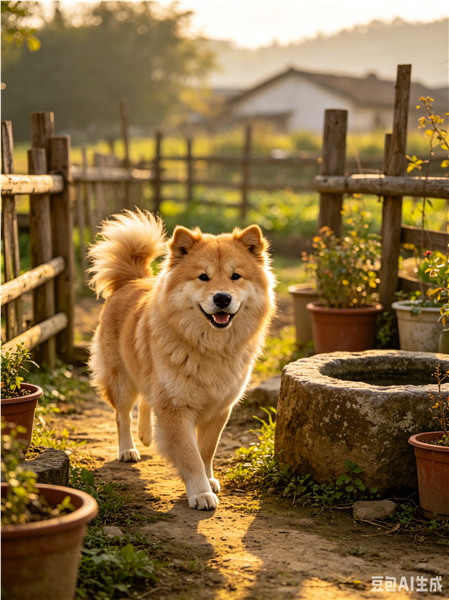
So, how many types of Chinese rural dogs are there? The answer is not a simple number. We can identify several broad regional types—Northern, Southern, Southwestern/Plateau, and Eastern—each with general characteristics. Within these, countless local variations exist, shaped by micro-environments and village-level isolation. They can also be categorized by size, coat, and historical function. Ultimately, the "type" of a Chinese rural dog is a story written by the landscape it lives in and the people it has lived alongside for millennia. This rich diversity, far from being a lack of purity, is their greatest strength and the core of their scientific and cultural significance.
Appreciating these dogs requires looking beyond the concept of breed standards. Each one, from the thick-coated guardian of a northern farmstead to the sleek hunter in a southern village, is a unique embodiment of adaptation and a direct link to China's ancient canine history. Protecting this diversity means protecting a key part of the nation's natural heritage.