When discussing canine intelligence, most people immediately think of Border Collies, Poodles, or German Shepherds—breeds consistently ranked at the top of intelligence lists. However, there's an overlooked group of dogs demonstrating remarkable cognitive abilities: the Chinese rural dog, often called "native dogs" or "tu gou." These dogs, developed through natural selection and adaptation over centuries, possess an intelligence that frequently surpasses that of many popular purebred pets. This article explores the multifaceted intelligence of Chinese rural dogs, revealing why they are cognitive powerhouses in the canine world.
The intelligence of Chinese rural dogs isn't measured by their ability to perform circus tricks but by their exceptional survival skills, adaptability, and problem-solving capabilities. Unlike many purebred dogs bred for specific aesthetic traits, rural dogs have evolved through natural and artificial selection pressures that favored intelligence, resilience, and versatility. Their ancestors had to navigate complex environments, avoid dangers, find food, and coexist with humans in challenging conditions—all requiring advanced cognitive functions.
One of the most significant aspects of Chinese rural dog intelligence is their environmental adaptability. These dogs can thrive in diverse climates, from the freezing temperatures of northern China to the humid subtropical regions of the south. This adaptability stems from their ability to observe, learn, and modify their behavior according to environmental cues. They develop sophisticated thermoregulation strategies, find or create appropriate shelter, and identify seasonal food sources—skills that demonstrate advanced environmental intelligence.
Social intelligence represents another area where Chinese rural dogs excel. Having coexisted with humans for millennia, they've developed an exceptional understanding of human behavior, emotions, and intentions. Many rural dog owners report that their dogs can sense mood changes, understand numerous words and phrases (even without formal training), and respond appropriately to complex social situations within families. This social cognition often exceeds that of many purebred dogs who may be more focused on their specific working roles.
Problem-solving abilities in Chinese rural dogs are particularly impressive. In rural settings, these dogs regularly face challenges requiring innovative solutions: opening gates or latches, retrieving objects from difficult locations, navigating complex terrain, and even manipulating simple tools. Unlike dogs bred for obedience who wait for human commands, rural dogs often take initiative in solving problems independently. This proactive problem-solving demonstrates higher-order thinking that combines observation, memory, and logical deduction.
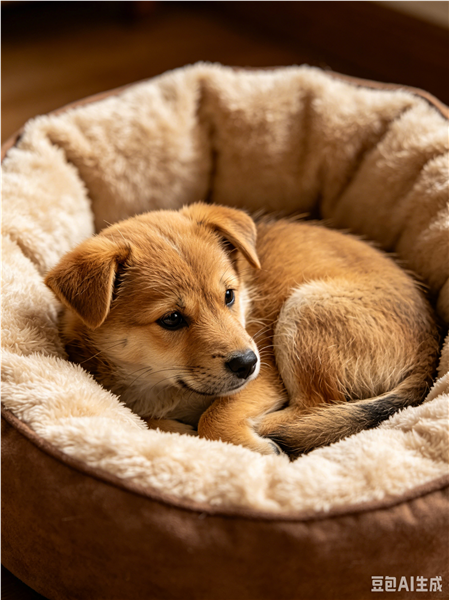
Communication skills represent another cognitive strength. Chinese rural dogs utilize a sophisticated repertoire of vocalizations, body language, and facial expressions to communicate with both humans and other dogs. They modify their communication style based on their audience—using different signals with familiar humans versus strangers, or with puppies versus adult dogs. This nuanced communication requires advanced social cognition and theory of mind—the ability to understand that others have different knowledge and perspectives.
Memory capabilities in Chinese rural dogs are exceptional, particularly spatial and episodic memory. These dogs can remember complex routes over vast territories, recall locations of resources (food, water, shelter), and recognize individuals they haven't seen for years. Their working memory allows them to track multiple variables simultaneously—a crucial skill for survival in changing environments. This superior memory often surpasses that of many purebred dogs who rely more on human guidance.
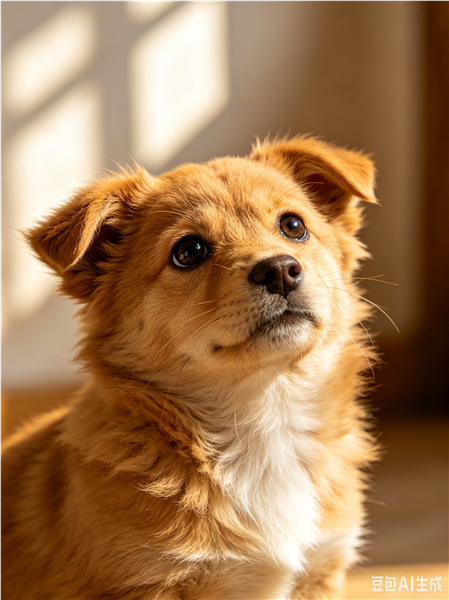
Learning ability and speed of acquisition represent another cognitive advantage. Chinese rural dogs typically learn through observation and experience rather than formal training. They watch other dogs, humans, and even other species to acquire new skills. This observational learning, combined with trial-and-error experimentation, allows them to master complex tasks quickly. Their learning isn't limited to specific domains but extends across various contexts—from social interactions to practical survival skills.
Emotional intelligence is particularly developed in Chinese rural dogs. They demonstrate empathy, comforting distressed humans or animal companions, and adjust their behavior based on the emotional states of those around them. This emotional attunement, combined with their loyalty and protective instincts, makes them exceptional companions who form deep, understanding bonds with their human families. Their emotional intelligence often exceeds that of many purebred dogs bred primarily for physical traits or specific working functions.
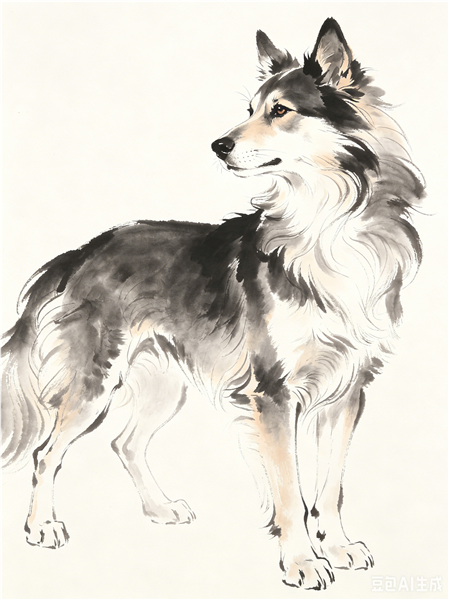
Comparative studies between Chinese rural dogs and popular purebred pets reveal interesting findings. While purebred dogs may excel in specific tasks they were bred for (herding, retrieving, guarding), rural dogs demonstrate superior performance in novel problem-solving situations, adaptability tests, and multi-tasking scenarios. Their intelligence is more generalized and flexible—allowing them to succeed across various challenges rather than specializing in narrow domains.
The self-sufficiency of Chinese rural dogs represents another cognitive advantage. Unlike many purebred dogs who become anxious or dysfunctional when separated from humans, rural dogs maintain their problem-solving abilities and emotional stability when independent. This balanced attachment style—forming strong bonds while maintaining autonomy—reflects advanced cognitive and emotional development rarely seen in dogs bred for constant human direction.

Innovation and creativity are cognitive traits frequently observed in Chinese rural dogs. Faced with new challenges, they don't simply apply learned routines but develop novel solutions. Whether figuring out how to access food stored in innovative containers, creating new games with available objects, or developing unique communication methods with their human families, these dogs demonstrate cognitive flexibility that goes beyond trained responses.
Contextual intelligence—the ability to understand and respond appropriately to different situations—is highly developed in Chinese rural dogs. They distinguish between work time and relaxation time, understand different rules in various locations (home versus public spaces), and modify their behavior based on subtle contextual cues. This sophisticated understanding of context requires advanced cognitive processing that integrates multiple streams of information.
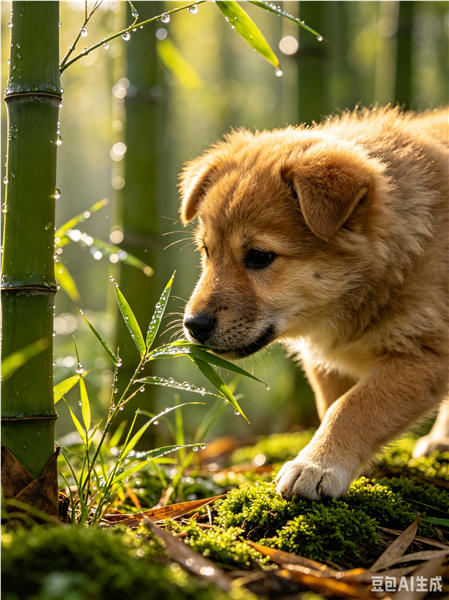
The nutritional intelligence of Chinese rural dogs deserves special mention. These dogs often develop sophisticated food preferences based on nutritional needs, learn which plants have medicinal properties, and sometimes even self-medicate when ill. This nutritional wisdom, passed down through generations and refined through individual experience, represents a form of embodied cognition that complements their more obvious problem-solving abilities.
Inter-species intelligence is another remarkable trait. Chinese rural dogs frequently develop complex relationships with other animals—not just tolerance but actual communication and cooperation. They learn the behaviors and signals of other species, adjust their own behavior accordingly, and sometimes even form working partnerships with other animals. This cross-species social intelligence demonstrates cognitive flexibility of the highest order.
Despite their cognitive advantages, Chinese rural dogs face significant prejudice. Many people mistakenly believe these "mixed breed" or "village dogs" are less intelligent than purebred dogs. This bias prevents people from appreciating their remarkable abilities and often leads to these dogs being overlooked in favor of purebred pets. Education about their true intelligence could transform perceptions and adoption rates.
Training Chinese rural dogs requires different approaches than training many purebred dogs. Rather than repetitive drills, they respond better to problem-based learning, observational opportunities, and collaborative activities that engage their independent thinking. Their intelligence means they sometimes challenge commands they perceive as illogical—requiring trainers to provide reasoning rather than simply expecting obedience.
The future of Chinese rural dog intelligence research holds exciting possibilities. As scientists increasingly recognize the unique cognitive profile of these dogs, more studies are investigating their abilities. Preliminary research suggests they may excel in areas like causal reasoning, inference, and even simple forms of metacognition. These findings could revolutionize our understanding of canine intelligence altogether.
For potential dog owners, choosing a Chinese rural dog means welcoming a highly intelligent, adaptable, and emotionally attuned companion. Their intelligence makes them excellent family dogs, capable of understanding complex household dynamics and adjusting their behavior accordingly. They typically require less structured training than many purebreds while offering greater problem-solving abilities and independence.
In conclusion, the intelligence of Chinese rural dogs represents a remarkable case of adaptive cognition developed through centuries of natural and artificial selection. Their abilities in problem-solving, social cognition, environmental adaptation, and emotional intelligence frequently surpass those of popular purebred pets. By recognizing and valuing this intelligence, we not only give these dogs the respect they deserve but also gain exceptional canine companions whose cognitive abilities continue to surprise and delight those fortunate enough to share their lives with them.