Have you ever been amazed to find your pet hamster‘s cozy hideout stuffed to the brim with food, even though you just filled its bowl? This behavior, often seen as cute or quirky, is actually a deeply ingrained survival instinct honed over thousands of years in the wild. Understanding the "why" behind this hoarding can give us a profound appreciation for these small creatures and help us provide better care for our domesticated friends.
The Wild Ancestors: Life on the Edge
Our beloved pet hamsters, primarily Syrian (Golden) and Dwarf varieties, descend from wild species native to arid and semi-arid regions like Syria, Mongolia, and parts of China and Russia. In these harsh environments, food is not a guaranteed daily occurrence. Resources are scarce, seasonal, and unpredictable. A bountiful harvest of seeds, grains, and vegetation might be followed by weeks or months of scarcity due to drought, frost, or other ecological factors. For a small, prey animal like a hamster, venturing out to forage daily is incredibly risky, exposing them to predators like birds of prey, foxes, and snakes.
This constant pressure led to the evolution of a brilliant survival strategy: feast and store. When a wild hamster encounters a plentiful food source, its immediate drive is not just to eat its fill, but to gather and transport as much as possible back to the safety of its complex underground burrow. This burrow isn‘t just a simple hole; it‘s a meticulously engineered home with multiple chambers for nesting, sleeping, and, crucially, for storing food. By creating a well-stocked pantry deep underground, a hamster can weather periods of famine or extreme weather without needing to make dangerous foraging trips. This hoarding instinct is so powerful that it persists strongly even in pet hamsters who have never known hunger.
The Marvel of Cheek Pouches: Nature‘s Shopping Bags
Hamsters are physically equipped for this hoarding lifestyle with one of their most distinctive features: their expandable cheek pouches. These are not mere pockets in their cheeks; they are specialized muscular sacs that extend all the way back to their shoulders. When empty, they are invisible. When full, they can make a hamster‘s head look comically (or alarmingly, to a new owner) doubled in size.
The pouches serve a singular, vital purpose: efficient transport. A hamster can quickly stuff its pouches with a volume of food that can equal, or even exceed, the size of its own head. The lining of the pouches is dry, which prevents the food from getting soggy and spoiling during transport. Importantly, the food is stored in the pouches without being swallowed; it doesn‘t enter the digestive tract until the hamster deliberately empties the pouches in its nest. This allows them to be highly selective, gathering different types of food and sorting them later. Watching a hamster methodically fill its pouches, using its front paws to push food in, is witnessing a perfectly adapted evolutionary behavior in action.
Hoarding in the Domestic Sphere: Instinct vs. Environment
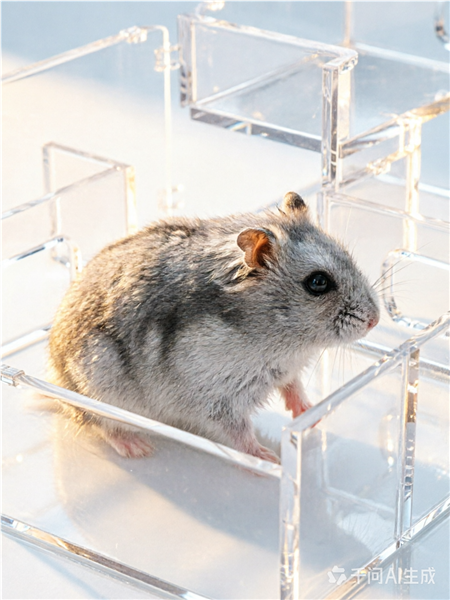
In our safe, climate-controlled homes with a never-ending supply of food pellets, this survival instinct doesn’t just switch off. Your pet hamster still operates on the same ancient programming: "Find food, secure food, store food." The hoarding behavior manifests in several ways:
1. Bowl to Hideout Relay: You’ll often see your hamster immediately carry mouthfuls of food from its central bowl to its favorite hiding spot, nest, or a corner of the cage. It’s not being fussy; it’s following the imperative to create a secure, private larder.
2. Food Stashes: Owners frequently discover large, hidden caches of food when doing a deep clean of the habitat. These stashes might contain a mix of commercial pellets, seeds, and even perishable treats they’ve saved.
3. Pouching During Playtime: Even during free-roaming playtime outside the cage, a hamster might pouch interesting non-food items or quickly stash any snacks it finds, demonstrating that the drive is always active.
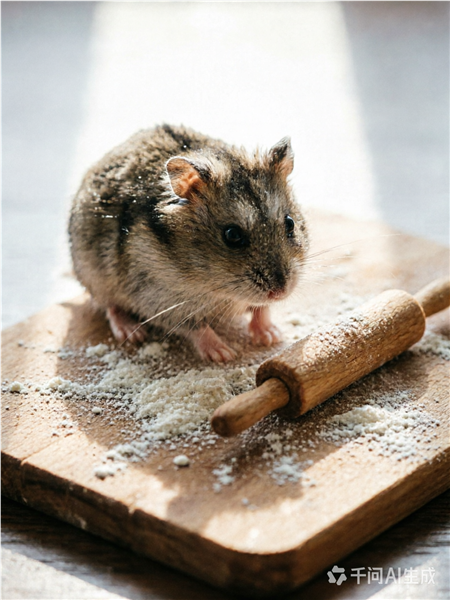
This behavior is completely normal and a sign of a healthy, instinct-driven hamster. Trying to stop it is neither possible nor advisable, as it can cause significant stress. Instead, we can work with this instinct to enrich their lives.
Implications for Pet Hamster Care
Understanding the hoarding instinct should directly influence how we care for our pet hamsters:

1. Avoid Overfilling the Food Bowl: While it might seem kind to keep the bowl overflowing, this can lead to massive, forgotten stashes that mold and attract pests. A better approach is to provide a measured daily or every-other-day amount of staple food. This allows the hamster to perform its natural "gather and store" routine without creating hygiene issues.
2. Provide Foraging Opportunities: Enrich your hamster‘s life by making it work for its food. Scatter its daily food portion around the cage bedding instead of using a bowl. Use puzzle feeders, hide treats inside toilet paper rolls, or bury them in a dig box. This stimulates their natural foraging behavior and provides mental and physical exercise.
3. Respect and Monitor the Stash: During weekly spot cleans, be gentle. You don‘t need to remove every last hidden seed. However, during a full cage clean (every 2-4 weeks), it’s important to find and dispose of old stashes, especially perishable items like vegetables or fruits, to prevent rot and bacterial growth. Replace them with fresh bedding and a small amount of fresh food to replenish their "pantry."
4. Ensure a Proper Habitat: A hamster needs a suitably large enclosure (a minimum of 100cm x 50cm for Syrians is now recommended by experts) with deep bedding (25cm+) to allow for natural burrowing and the creation of a nesting/storage area. Multiple hideouts and tunnels help them feel secure enough to establish a primary food stash.
When Hoarding Might Signal a Problem
While hoarding is normal, changes in this behavior can be a red flag. If your hamster suddenly starts hoarding excessively while also showing signs of weight loss, it could indicate a dental problem (making eating painful) or a digestive issue. Conversely, a complete lack of interest in food or hoarding, coupled with lethargy, is a serious sign of illness. Always consult a veterinarian if you observe drastic behavioral changes.
A Legacy of Survival
The next time you see your hamster’s cheeks bulging like a chipmunk’s, or you discover a secret seed bank under its wheel, remember that you are witnessing a direct link to its wild, resilient ancestors. This hoarding is not gluttony or messiness; it is the expression of a sophisticated survival strategy that allowed a tiny rodent to thrive in some of the world‘s toughest environments. By understanding and accommodating this fundamental instinct, we do more than just care for a pet; we honor the deep-seated nature of the remarkable animal that shares our home.
From the windswept steppes of Mongolia to the safety of a well-appointed cage, the hamster’s drive to gather and save remains unchanged. It is a timeless behavior, a whisper of the wild contained within a small, furry package, reminding us of the powerful forces of evolution that shape even the most common of pet behaviors.