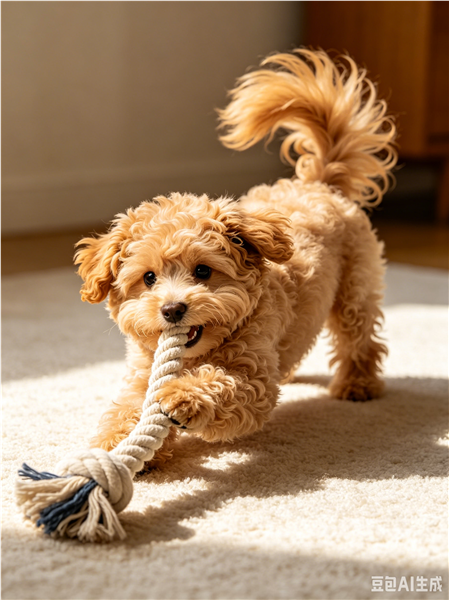
For many Teddy dog owners, a common question arises: is this adorable, curly-coated companion truly an "indoor-only" pet? The image of a delicate Teddy happily trotting around the apartment is charming, but it overlooks a crucial aspect of their well-being—their musculoskeletal health. While Teddies are small and adapt well to apartment living, they are not biologically designed to be completely sedentary or confined to soft indoor surfaces. Understanding their bone development and common orthopedic issues is key to ensuring a long, active, and pain-free life.

Teddy dogs, encompassing breeds like the Bichon Frise and various small Poodle mixes, are prone to several hereditary and developmental bone and joint conditions. Their compact size and sometimes selective breeding for certain cute traits can inadvertently amplify these risks. One of the most prevalent concerns is Luxating Patella, or a dislocating kneecap. This condition occurs when the patella (kneecap) slips out of its normal groove in the femur. It can range from grade I (occasional slippage causing temporary limping) to grade IV (permanently dislocated). You might notice your Teddy suddenly skipping a step, holding a leg up for a few strides, or exhibiting an intermittent hop in their gait. While mild cases can be managed with weight control and anti-inflammatory medications, severe cases often require surgical intervention to deepen the groove and realign the tendons.

Another significant issue, though less common in very small breeds than in larger ones but still present, is Hip Dysplasia. This is a malformation of the hip joint where the ball and socket do not fit together properly, leading to instability, wear, tear, and eventually arthritis. In Teddies, it might manifest as reluctance to jump, run, or climb stairs, stiffness after rest, or a noticeable "bunny hopping" gait with both back legs moving together. Maintaining a lean body weight is perhaps the single most important factor in managing hip dysplasia, as excess weight puts tremendous strain on the already compromised joints. Physical therapy, joint supplements (like glucosamine and chondroitin), and pain management are typical conservative approaches.
Legg-Calvé-Perthes Disease is a condition that specifically affects the hip joint of small breed dogs, typically those under 20 pounds and often appearing between 4 to 12 months of age. It involves the spontaneous degeneration of the head of the femur (the "ball" of the hip joint) due to a loss of blood supply. The bone begins to crumble, leading to severe inflammation, pain, and arthritis. Symptoms include progressive limping, muscle wasting in the affected leg, and pain when the hip is manipulated. Treatment almost always involves surgery to remove the diseased femoral head, allowing the body to form a "false joint" from scar tissue, which is usually surprisingly functional and pain-free for a small, light dog like a Teddy.

Beyond these specific conditions, Teddies are also susceptible to traumatic fractures. Their tiny leg bones, particularly the radius and ulna in the forearm, are surprisingly fragile. A simple jump off the couch, a misstep on stairs, or even an overly enthusiastic play session can result in a break. This is why supervised exercise and preventing high-impact jumps from furniture are critical. Providing ramps or steps to their favorite sleeping spots can significantly reduce this risk.
So, what does this mean for the question of indoor living? It means that while Teddies are excellent indoor companions, they require structured, safe outdoor exercise for proper bone and muscle development. Walking on varied surfaces like grass, dirt, and pavement (avoiding extreme heat or cold) helps strengthen the ligaments and muscles that support their joints. It promotes healthy weight management, which is paramount for joint health. Controlled play in a secure yard or regular leash walks are non-negotiable components of their care. The idea is not to make them marathon runners but to provide consistent, low-impact conditioning.
Nutrition plays a starring role in bone development. Puppies should be fed a high-quality, balanced diet formulated for small-breed growth. These diets have appropriate calcium-to-phosphorus ratios to support proper bone mineralization without promoting excessively rapid growth, which can itself be a risk factor for developmental orthopedic diseases. As adults, maintaining an ideal body condition score is crucial. Consult your veterinarian to choose the right diet for your Teddy's life stage and activity level. Supplements like omega-3 fatty acids (fish oil) can have natural anti-inflammatory effects, supporting joint health.
Early detection is vital. Be observant of your Teddy's movement. Do they hesitate before jumping? Do they sit awkwardly, with a leg splayed out? Do they seem stiff in the morning? Any sign of persistent or intermittent lameness warrants a veterinary visit. Your vet will perform a physical examination, manipulate the joints, and may recommend X-rays to get a definitive diagnosis. Breeding practices also influence these issues. Reputable breeders screen their breeding stock for conditions like patellar luxation and hip dysplasia (through organizations like the Orthopedic Foundation for Animals - OFA) to reduce the incidence of passing these painful conditions to puppies.

Creating a safe home environment is part of proactive care. Use non-slip rugs or mats on slippery hardwood or tile floors to prevent splayed legs and injuries. Provide orthopedic or supportive bedding to cushion joints during rest. Keep your Teddy's nails trimmed, as long nails alter the angle of the foot and can strain the tendons and ligaments up the leg. Regular, gentle grooming is also important, as matted hair can pull on the skin and subtly affect a dog's posture and comfort.

In conclusion, the Teddy dog is a joyful, intelligent, and adaptable breed that thrives on human companionship and can live happily in an indoor environment. However, they are not "born to walk only inside." Their bone structure, while small, requires the stimulation and strengthening that comes from safe, regular outdoor activity and exercise. By being aware of their predisposition to conditions like luxating patella, hip dysplasia, and Legg-Calvé-Perthes disease, owners can take preventive steps through proper nutrition, weight management, environmental modifications, and attentive observation. Partnering with a veterinarian for regular check-ups ensures that any developing issue is caught early, allowing for interventions that can preserve your Teddy's mobility and quality of life for years to come. The goal is to balance the cozy indoor life they love with the physical activity their bodies need, creating the perfect recipe for a healthy, happy Teddy.