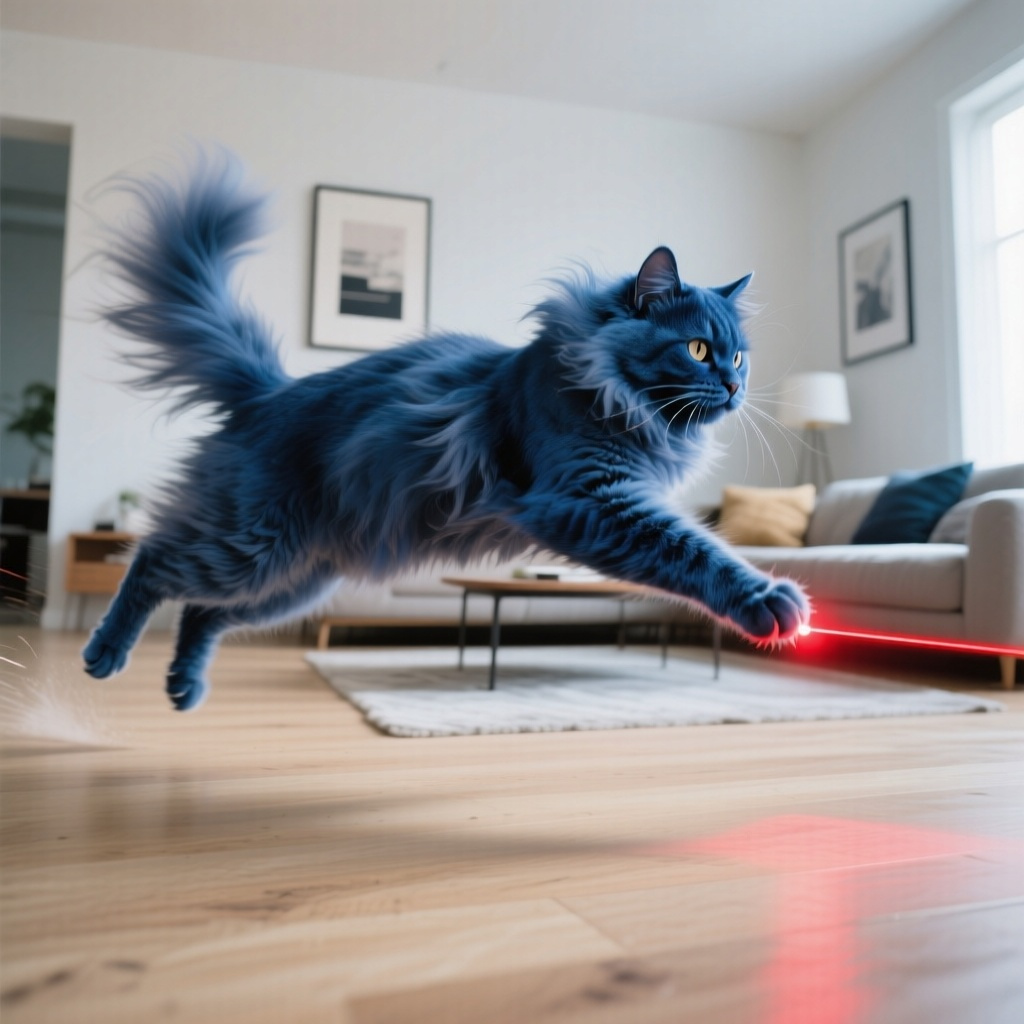
When you see an elegant Persian cat lazily stretching, then slowly opening its mouth to yawn, the scene is often amusing—the luxuriant, silky long fur on its face often slides down like a stage curtain the moment it opens its mouth, almost completely covering its mouth. This movement is slow and extended, combined with its innate noble temperament, somewhat resembling a ballet dancer performing an elegant curtain call. This is not just an amusing observation by pet owners, but a cute moment exhibited by Persian cats in daily life, shaped by their magnificent coat.
1. The Elegant "Curtain": Why is a Persian Cat's Yawn So Special?
The reason why a Persian cat's yawn becomes a unique spectacle lies in their famous "fur coat". Persian cats are a typical long-haired breed, possessing a double coat: the undercoat is dense and soft, while the outer coat is smooth and long, especially the decorative fur on the neck and chest, which can grow very luxuriantly, like wearing a gorgeous scarf. When a cat yawns, the lower jaw moves downward, facial muscles stretch, and the fur that was originally close to the cheeks and chin naturally droops due to gravity. For densely furred Persian cats, this drooping "amount" is quite substantial, often forming a "fur curtain" that visually seems to hide the mouth.
The dynamic beauty of this process is exactly why it resembles ballet. Ballet emphasizes the extension of lines and controlled elegance. When a Persian cat yawns, from the buildup to opening the mouth to closing, the entire process is slow and rhythmic, with the stretching of the body combined with the flowing of the fur, forming an unhurried elegance. Unlike some short-haired cats that yawn swiftly and directly, it's more like a carefully choreographed miniature performance, full of ritual. Many cat owners have said that when witnessing this scene, they always unconsciously soften their movements, afraid to disturb this "little artist's" solo moment.
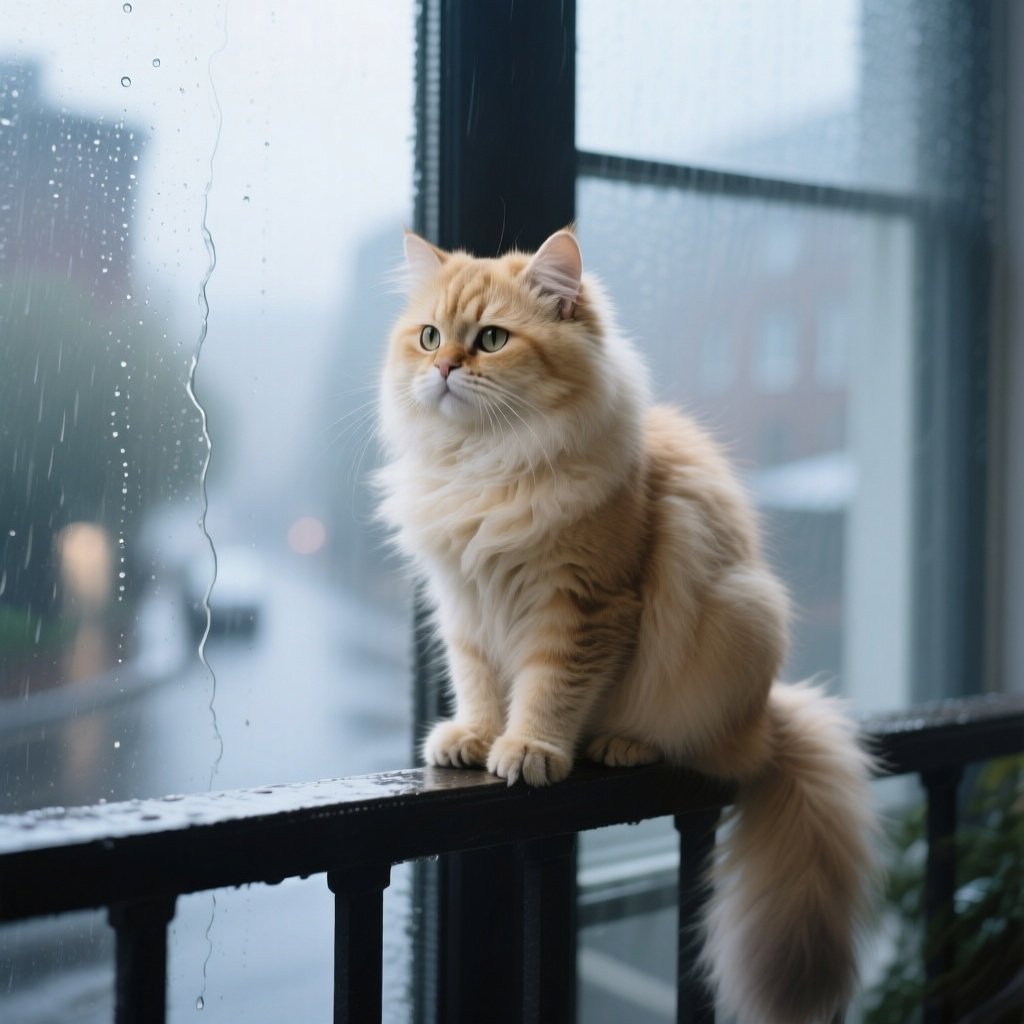
2. The Gift and Burden of Long Fur: The Comprehensive Impact of Coat on Persian Cat Life
This long fur that makes even yawning look like art is not just for aesthetics. In their native environment, thick coats helped cats resist cold. But for Persian cats in modern homes, this magnificent attire brings not only dignity but also more responsibilities and challenges.
1. Temperature Regulation Challenges
A Persian cat's long fur is a perfect insulating layer in winter, but can become a burden in summer. They are more sensitive to heat than short-haired cats and more prone to heatstroke. Therefore, during hot seasons, keeping the indoor environment cool and ventilated is crucial. Air conditioning or fans should be used reasonably, and multiple shady resting spots should be provided. Some owners choose to give Persian cats moderate "grooming trims" in summer, but remember not to shave them completely, as fur also has sun protection and skin protection functions.
2. The "Sweet Burden" of Daily Activities
Overly long fur sometimes affects a Persian cat's daily activities. For example, when eating, the fur on the chin and chest easily gets into food and water. If not cleaned in time, it's not only unhygienic but may also form clumps and even cause skin problems. This is why "shallow bowls" or "bowls with rims" designed specifically for long-haired cats are so popular—they can effectively prevent fur from dragging into food and water. Similarly, after using the litter box, the fur around the buttocks may get contaminated with cat litter or excrement, requiring owners to pay extra attention to cleaning.
3. Hidden Connections to Health Issues
Dense fur may mask early signs of some health problems. For example, small lumps on the skin, rashes, wounds, or subtle weight changes may all be hidden by the thick coat. Therefore, regular and in-depth "hands-on inspections" become particularly important. When grooming fur, the owner's fingers should touch the skin to feel for abnormalities, while observing the cat's reaction to touch to determine if there are any painful spots.
3. Essential Daily Rituals: Complete Guide to Persian Cat Fur Care
To keep a Persian cat consistently elegant like a "ballet dancer" rather than turning into a "scruffy fur ball", daily fur care is an absolute must-not-omit ritual. This is not just about maintaining appearance, but a key to ensuring their health.
1. Combing: A Daily Required Course
Daily combing is the most effective method to prevent fur from tangling. A professional tool set should be prepared: wide-toothed comb for initial detangling; fine-toothed comb or row comb for handling details and removing loose fur; a high-quality pin brush can reach the bottom layer to untangle small knots. When combing, follow the direction of fur growth, with gentle movements. When encountering fur knots, do not pull hard. Instead, use fingers to slowly tease them apart or use a dematting comb. Focus areas are the armpits, abdomen, leg roots, and buttocks—areas prone to tangling.
2. Bathing: Regular Deep Cleaning
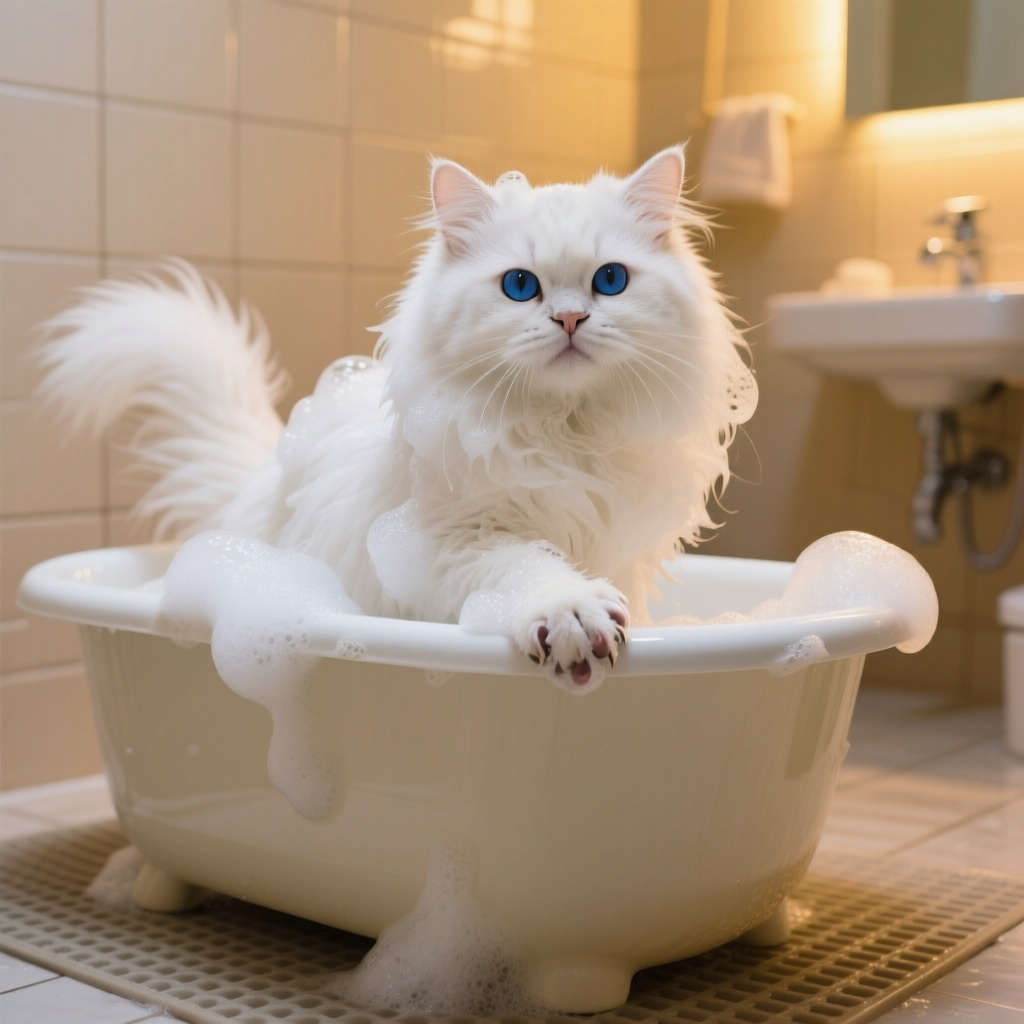
Persian cats don't need frequent bathing, usually once every 4-8 weeks is sufficient. Before bathing, be sure to thoroughly comb through all fur. Use cat-specific shampoo and make sure to rinse thoroughly, as any residue may cause skin problems. After washing, first wrap with an absorbent towel to absorb most of the water, then use a low-noise hair dryer or pet drying box to completely dry. Absolutely do not let a Persian cat air dry naturally, otherwise the inner layer of down fur staying damp for a long time can easily lead to skin eczema or fungal infections, and is more likely to cause serious fur matting.
3. Local Cleaning and Trimming
For areas that get dirty easily in daily life, local trimming and cleaning can be done:
- Eyes: Persian cats have flat faces and tear ducts are easily blocked, producing "tear stains". Use a soft wet wipe or cotton ball dipped in special care solution daily to gently wipe the corners of the eyes.
- Buttocks: Appropriately trimming the fur around the anus and inner thighs can greatly improve hygiene. This is called a "sanitary trim".
- Feet: Regularly trim the fur on the soles of the feet to prevent it from getting too long and hiding dirt or causing the cat to slip on smooth floors.
4. Beyond Yawning: Analysis of Other Unique Behaviors of Persian Cats
Beyond the classic moment of yawning, the quiet and gentle personality of Persian cats is also reflected in many other behaviors. They usually don't eagerly engage in high-altitude jumping or crazy parkour like some active breeds, but prefer elegant pacing and long periods of lying still. Their calls are soft, more like murmuring. They have high needs for their owner's companionship, but express it subtly—perhaps just quietly staying somewhere you can see, or watching you with gentle eyes. Understanding these behaviors can help us better meet their emotional needs and create an environment where they feel safe and comfortable.
It's worth noting that due to their facial structure (short nose and flat face), Persian cats have innate characteristics in breathing and heat dissipation. Snoring is relatively common, and they are more prone to shortness of breath during intense exercise or hot weather. This is something owners need to understand and accommodate in daily life.
5. Scientific Feeding and Health Monitoring: Nurturing Beautiful Fur from the Inside Out
The foundation of beautiful fur comes from a healthy body. Persian cat care requires both internal and external attention.
1. Nutrition is the Foundation
Choose high-quality cat food to ensure balanced intake of protein, fatty acids (especially Omega-3 and Omega-6), vitamins, and minerals. These nutrients are key to healthy fur growth and maintaining luster. Occasionally supplement with fur-beneficial treats such as cooked salmon, egg yolk (in moderation), or specialized pet fur-beautifying supplements, but this should be done under veterinary guidance.
2. Pay Attention to Genetic Health Issues
As a purebred cat, Persian cats have some genetic predispositions to be aware of, such as polycystic kidney disease (PKD) and progressive retinal atrophy. Choosing a reputable cattery and obtaining health screening certificates for the parents is crucial. Regular checkups should also be done in adulthood for early detection and intervention.

3. Hairball Management
Long-haired cats swallow a lot of fur during grooming, easily forming hairballs. Besides regular combing to reduce the amount of fur licked in, providing cat grass or hairball paste/tablets to help them gently expel hairballs is a necessary measure to prevent hairball syndrome.
Conclusion: Appreciation and Responsibility Go Hand in Hand
The Persian cat's yawn that seems like ballet is a small joke nature and breed characteristics have given us, and also a precious joy. It reminds us that the extreme beauty and elegance we appreciate comes with the owner's daily commitment to careful care. Owning a Persian cat is like guarding a living piece of art. You need to invest time, patience, and full of love to groom that magnificent coat, clean that cute face, and understand all the needs behind its quiet language. When you see it healthy, happy, with fluffy and glossy fur stretching in front of you, even yawning lazily with its mouth half-covered by fur, you'll feel that all the effort is worth it. This is not just raising a pet, but participating in a long practice of elegance, patience, and love.