Feed Rottweiler Dogs with Commercial Grain, Select Grain and Feed Lightning Protection Skills
Rottweilers are magnificent, powerful dogs known for their loyalty, intelligence, and strength. As a large breed with specific nutritional requirements, feeding them correctly is paramount to their health, longevity, and vitality. The debate around grain-inclusive diets versus grain-free options is ongoing, but for many Rottweilers, high-quality commercial grain can be an excellent part of a balanced diet. This comprehensive guide will delve into the intricacies of feeding your Rottweiler with commercial grain, how to select the best grains, and crucial feeding management skills, including the concept of 'lightning protection' for safe and stress-free mealtimes.
Understanding the Rottweiler's Nutritional Needs

Before selecting any food, it's essential to understand what your Rottweiler requires. As a large-breed dog, Rottweilers are prone to specific health issues like hip and elbow dysplasia, cardiac conditions, and bloat (Gastric Dilatation-Volvulus). Their diet plays a significant role in managing these risks. A balanced diet for a Rottweiler should support steady, controlled growth in puppies to prevent joint stress, maintain lean muscle mass in adults, and support joint health throughout their life. Key nutrients include high-quality protein for muscle maintenance, controlled levels of fat for energy without obesity, optimal calcium and phosphorus ratios for bone health, and supplements like glucosamine and chondroitin for joint support. The role of carbohydrates, often derived from grains, is to provide a sustained energy source and dietary fiber for digestive health.
The Case for Commercial Grain in a Rottweiler's Diet
The term 'commercial grain' refers to the grains used in commercially prepared, high-quality dog foods. Contrary to some marketing trends, grains are not inherently bad for dogs. In fact, they can offer valuable nutrients. Whole grains like brown rice, barley, oats, and quinoa are excellent sources of digestible carbohydrates, essential fatty acids, fiber, and important vitamins and minerals such as B vitamins, iron, magnesium, and selenium. For Rottweilers without specific grain allergies or intolerances (which are less common than often perceived), these grains provide a steady release of energy, crucial for this active breed. They also contribute to satiety, helping to prevent obesity—a common concern for Rottweilers. Furthermore, the fiber in grains promotes healthy digestion and can lead to firmer stools. When selecting a commercial diet, the goal is to find one where grains are used as wholesome, nutritious ingredients rather than mere low-cost fillers like corn syrup or refined white flour.
How to Select the Best Grains for Your Rottweiler
Not all grains are created equal. The selection process is critical. First, always look for whole grains. 'Whole grain' means the entire grain kernel—the bran, germ, and endosperm—is used, retaining maximum nutrition. 'Brown rice' is superior to 'brewer's rice' or 'white rice.' 'Whole oats' or 'oatmeal' are excellent choices. Other beneficial grain or grain-like ingredients include barley, quinoa (a seed but often categorized with grains), and millet. Avoid foods where the primary grains are corn, wheat, or soy, as these are more common allergens and are often used in less digestible forms. The grain should appear high on the ingredient list but not necessarily as the very first ingredient; a high-quality animal protein source should typically be first. Be wary of vague terms like 'cereal by-products' or 'grain fragments.' Transparency is key. Consider your dog's individual needs: a more active Rottweiler might benefit from the sustained energy of complex grains, while a less active or senior dog might do better with a formulation containing easily digestible grains like oatmeal.
Decoding the Dog Food Label: Grain Edition
Navigating the ingredient list and guaranteed analysis is vital. Look for specific, named grains. A label listing 'whole grain barley,' 'steel-cut oats,' or 'brown rice' is preferable to one that simply says 'grains' or 'cereal.' Check the guaranteed analysis for crude fiber content, which should typically be between 3% and 5% for a healthy adult Rottweiler. Higher fiber can indicate a higher whole-grain or vegetable content. Also, observe the protein and fat levels. A good large-breed adult formula might have a protein level of 22-26% and a fat level of 12-16%. The presence of grains should not drastically lower the protein percentage derived from animal sources. Research the brand's reputation for quality control and sourcing. Brands that conduct feeding trials on their formulas provide an extra layer of assurance that the diet, including its grain components, is nutritionally complete and balanced.
Integrating Commercial Grain Food into Your Rottweiler's Regimen
Transitioning to a new food, especially one with a different grain base, must be done gradually over 7-10 days to avoid gastrointestinal upset. Start by mixing 25% of the new food with 75% of the old food for a few days, then progress to a 50/50 mix, then 75/25, before finally switching completely. Monitor your Rottweiler closely during this time for any signs of allergies or intolerance, such as itchy skin, ear infections, vomiting, diarrhea, or excessive gas. While true grain allergies are rare, they can occur. Portion control is non-negotiable. Follow the feeding guidelines on the package based on your dog's ideal weight, but use them as a starting point. Adjust portions based on your dog's activity level, metabolism, and body condition score. Your Rottweiler should have a visible waist when viewed from above, and you should be able to feel (but not see) their ribs. Overfeeding, even with high-quality food, can lead to obesity and associated health problems.
Feed Lightning Protection Skills: Ensuring Safe and Peaceful Mealtimes
The term 'feed lightning protection' is a metaphorical skill set for preventing and managing rapid, aggressive, or anxious eating behaviors—behaviors that can strike like lightning and lead to serious consequences. Rottweilers, due to their size and sometimes enthusiastic appetite, can be prone to eating too fast. This can cause choking, gagging, regurgitation, and most dangerously, bloat (GDV). Bloat is a life-threatening condition where the stomach fills with gas and/or twists. Fast eating is a known risk factor. Here are essential lightning protection skills:
- Use Slow-Feeder Bowls: These bowls have ridges, mazes, or raised centers that force the dog to eat around obstacles, significantly slowing down their pace.
- Food Dispensing Toys/Puzzles: Instead of a bowl, use Kongs, snuffle mats, or puzzle feeders. This turns mealtime into a mentally stimulating activity, promoting slower eating and satisfying natural foraging instincts.
- The Muffin Tin Method: Scatter kibble across a muffin tin, covering some cups with tennis balls. The dog must nudge the balls away to get the food.
- Portion Splitting: Divide the daily food ration into 2-3 smaller meals. This prevents overwhelming the stomach with a large volume of food at once and helps maintain steady energy levels.
- Calm Environment: Feed your Rottweiler in a quiet, low-traffic area away from other pets or distractions that might cause them to eat quickly out of competition or excitement.
- Training for Patience: Implement basic obedience around food. Ask your dog to 'sit' and 'wait' before you place the bowl down, and only release them with a command like 'okay.' This instills discipline and calmness.
- Post-Meal Rest: Enforce a mandatory quiet time of 60-90 minutes after eating. No vigorous play, running, or excitement. This is a critical period for digestion and helps reduce the risk of bloat.
Addressing Common Concerns: Allergies, Weight, and Performance
If you suspect a grain allergy (symptoms include chronic itching, skin infections, or digestive issues), consult your veterinarian. They may recommend an elimination diet with a novel protein and carbohydrate source (like sweet potato) to diagnose the issue. For weight management, the type and amount of grain matter. Lower-calorie, high-fiber grains can help a Rottweiler feel full while consuming fewer calories. Adjust portions accordingly and ensure adequate exercise. For working, sporting, or highly active Rottweilers, the complex carbohydrates in whole grains provide the glycogen stores needed for sustained physical activity. The key is matching the diet's energy density to the dog's output.

Conclusion: A Balanced Approach for a Powerful Companion
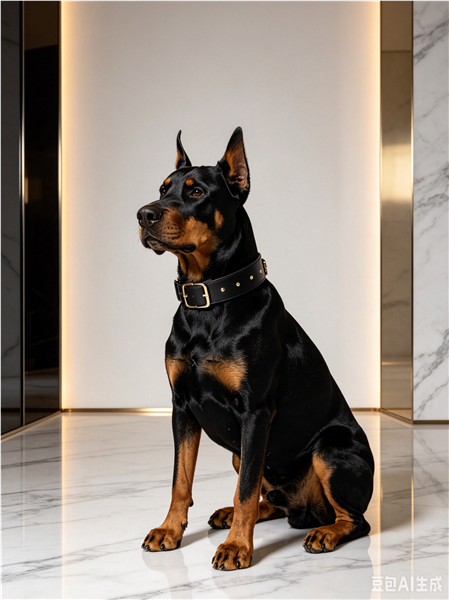
Feeding your Rottweiler is an act of care that directly impacts their well-being. High-quality commercial grain can be a beneficial component of their diet, providing essential nutrients and energy. The art lies in careful selection—choosing whole, named grains in a formula led by premium animal protein. Coupling this with masterful 'feed lightning protection' skills ensures that mealtime is safe, slow, and stress-free, mitigating health risks like bloat. By understanding your Rottweiler's unique needs, reading labels critically, and implementing smart feeding practices, you can nourish your powerful companion towards a long, healthy, and vibrant life. Always remember to partner with your veterinarian to tailor any dietary plan to your individual dog's health status and lifestyle.