A Refined Guide to Raising Dobermans: Crafting an Exceptional Companion
The Doberman Pinscher, with its sleek coat, athletic build, and keen intelligence, is more than just a guard dog; it is a loyal family member, a versatile working partner, and a deeply sensitive companion. Raising a Doberman is a rewarding journey that demands knowledge, commitment, and a refined approach. This guide is designed to help you navigate every stage, from puppyhood to senior years, ensuring you build not just a well-trained dog, but a truly high-quality relationship with your elegant canine friend.

Chapter 1: The Foundation - Choosing Your Doberman
Your journey begins with a crucial decision: selecting the right Doberman. Responsible sourcing is paramount. Seek out reputable breeders who prioritize health, temperament, and breed standards. A good breeder will perform health screenings on the parent dogs for common conditions like von Willebrand's disease, dilated cardiomyopathy (DCM), and hip dysplasia. They will welcome your questions, allow you to meet the puppy's parents, and raise the litter in a home environment with plenty of socialization. Avoid pet stores or online marketplaces that may source from puppy mills. The initial investment in a healthy, well-bred puppy from ethical origins is the first and most critical step toward a high-quality raising experience. Observe the litter; look for a puppy that is curious, confident, and interactive, not overly shy or aggressive. Discuss your lifestyle with the breeder—they can often help match a puppy's personality to your home.
Chapter 2: Welcoming Your Doberman Puppy Home
The first few days and weeks are a period of immense adjustment. Prepare your home by puppy-proofing areas, removing hazards, and setting up a dedicated space with a crate, bed, toys, and food/water bowls. The crate is not a prison; it's a safe den that aids in house training and prevents destructive behavior when unsupervised. Establish a consistent routine for feeding, potty breaks, play, and naps. Doberman puppies are energetic and need frequent, short bursts of activity followed by enforced rest to avoid overtiring. Begin house training immediately, taking your puppy outside after every meal, nap, and play session, and praising lavishly for success. Socialization is not optional; it is the bedrock of a stable adult Doberman. Between 8 and 16 weeks, expose your puppy positively to a vast array of people, children, other vaccinated dogs, sounds, surfaces, and environments. This controlled exposure builds confidence and prevents fear-based reactions later in life.
Chapter 3: Nutrition for Peak Condition
A Doberman's majestic appearance and boundless energy are fueled by proper nutrition. Select a high-quality, commercially prepared dog food appropriate for large-breed puppies during their first 12-18 months. These formulas are balanced to support controlled growth, which is vital for joint health. Avoid over-supplementing with calcium. As your Doberman transitions to adulthood, choose a premium adult formula with real meat as the first ingredient. The amount will vary based on age, activity level, and metabolism. Dobermans can be prone to bloat (Gastric Dilatation-Volvulus), a life-threatening condition. To mitigate risk, feed two or three smaller meals a day instead of one large one, use a slow-feed bowl, and prohibit vigorous exercise for at least an hour before and after eating. Always provide access to fresh, clean water. Consult your veterinarian to tailor a diet plan, especially if considering raw or home-cooked diets, to ensure all nutritional needs are met.
Chapter 4: Training and Mental Stimulation

The Doberman's intelligence is both a gift and a responsibility. They thrive on having a job to do and a clear leader to follow. Training should start the day you bring your puppy home, using positive reinforcement methods—rewarding desired behaviors with treats, praise, or play. Harsh corrections can damage their sensitive nature and trust. Begin with foundational commands: sit, stay, come, down, and leash walking. Keep sessions short, fun, and consistent. As they mature, Dobermans excel in advanced obedience, agility, scent work, rally, and protection sports like Schutzhund/IPO. These activities provide the mental and physical challenge they crave and strengthen your bond immensely. Remember, a bored Doberman is a destructive Doberman. Provide puzzle toys, engage in daily training games, and vary your walking routes to keep their active minds occupied. Establishing yourself as a calm, confident, and fair leader is key to a harmonious relationship.
Chapter 5: Exercise and Physical Care
This is an athletic breed built for endurance and speed. A simple walk around the block is insufficient. Adult Dobermans require at least 60-90 minutes of vigorous exercise daily. This can include long brisk walks or jogs, running alongside a bicycle (with proper training), hiking, swimming, or structured play like fetch in a secure area. Exercise is non-negotiable for their physical health and mental well-being. Grooming, however, is relatively low-maintenance. Their short, sleek coat requires weekly brushing with a rubber grooming mitt or soft bristle brush to remove dead hair and distribute skin oils. Bathing is only needed every few months or when visibly dirty. Pay special attention to dental care—brush their teeth several times a week to prevent tartar buildup. Regularly check and clean their ears, and keep their nails trimmed to a comfortable length.
Chapter 6: Health, Wellness, and Preventive Care
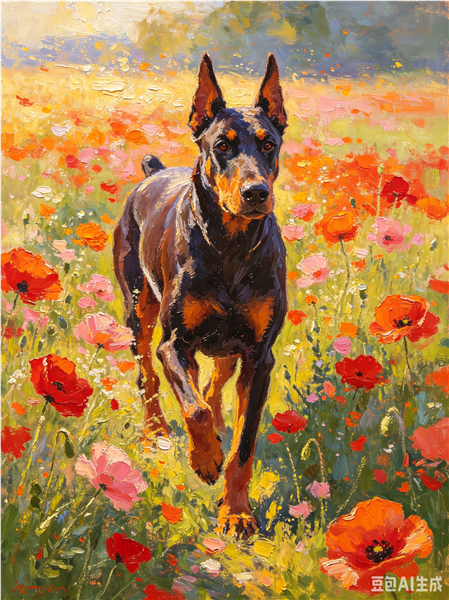
Proactive healthcare is essential for a long, vibrant life. Establish a relationship with a veterinarian familiar with large breeds. Adhere to a schedule of core vaccinations and regular booster shots. Discuss a parasite prevention program for fleas, ticks, and heartworms. Be aware of breed-specific health concerns. Dilated Cardiomyopathy (DCM) is a serious heart condition; ask your vet about screening protocols. Regular veterinary check-ups, at least annually for adults and more frequently for seniors, are crucial for early detection of issues. Consider pet insurance to help manage potential costs for accidents or illnesses. As your Doberman ages, typically around 7-8 years, their needs will change. They may require joint supplements, a diet for senior dogs, and modified exercise routines. Watch for signs of arthritis, vision or hearing loss, and cognitive changes.
Chapter 7: Building an Unbreakable Bond
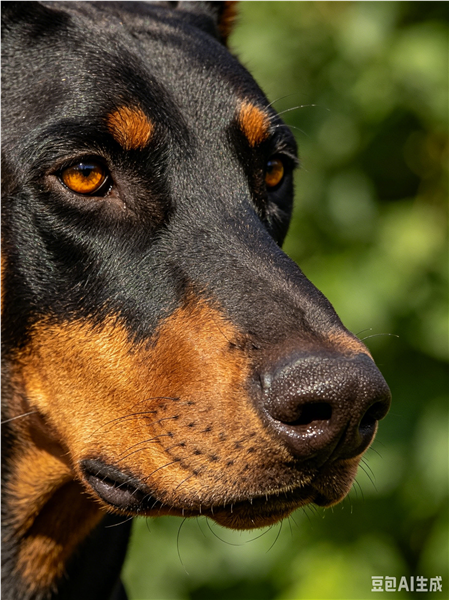
Beyond training and care lies the heart of the high-quality experience: the bond. Dobermans are famously loyal and form deep attachments to their families. They are not backyard dogs; they need to be with their people. Include them in family activities whenever possible. Provide plenty of affectionate, calm interaction—gentle petting, quiet time together on the couch, or simply being in the same room. Learn to read their subtle body language. Respect their need for downtime and a safe retreat. Trust is earned through consistency, fairness, and kindness. A Doberman raised with understanding, clear communication, and genuine love will reward you with unwavering devotion, intuitive companionship, and a presence that elevates everyday life.
Conclusion: The Journey of a Lifetime

Raising a Doberman Pinscher is a commitment that shapes not just the dog, but you as an owner. It requires patience, education, and an abundance of heart. By following this refined guide—prioritizing health, investing in early socialization and positive training, fulfilling their physical and mental needs, and nurturing a bond based on mutual respect—you do more than raise a pet. You cultivate a noble companion, a graceful guardian, and a source of profound joy. The result is the ultimate high-quality pet experience: a lifelong partnership defined by elegance, intelligence, and deep, loyal love.