Tips for Raising Dobermans at Low Cost, Saving Money and Raising Guard Dogs Efficiently
Raising a Doberman Pinscher, known for its loyalty, intelligence, and protective instincts, can seem like a significant financial commitment. However, with strategic planning and smart choices, it is entirely possible to provide excellent care for your Doberman while adhering to a budget. This guide provides comprehensive, practical advice on reducing costs without sacrificing the health, training, or guarding capability of your canine companion.
Strategic Acquisition and Initial Setup
The first major expense is acquiring the dog itself. While purchasing from a reputable breeder ensures health and temperament, it comes at a high price. Consider adopting an adult Doberman or a Doberman mix from a rescue organization or shelter. Adoption fees are typically much lower and often include initial vaccinations, spaying/neutering, and a microchip, saving hundreds of dollars upfront. If your heart is set on a puppy from a breeder, thoroughly research and avoid impulse buys from pet stores or backyard breeders, which can lead to enormous vet bills later.

For initial supplies, think second-hand. Websites like Craigslist, Facebook Marketplace, and local buy-nothing groups are goldmines for gently used crates, exercise pens, high-quality beds, and durable toys. A sturdy, size-appropriate crate is essential for house-training and safety, and buying used can cut the cost by 50-70%. Ensure you sanitize any second-hand items thoroughly. For a new puppy, you can temporarily use DIY barriers instead of expensive pens.
Affordable, High-Quality Nutrition
Food is a recurring, major expense. While premium kibble is advertised heavily, you can achieve excellent nutrition cost-effectively. Research highly-rated mid-tier brands that meet AAFCO standards for "all life stages." Buying dog food in bulk (e.g., 30-40 lb bags) often offers a lower cost per pound. Store the food properly in an airtight container to maintain freshness.
Consider incorporating homemade meals to supplement kibble. Cooked lean meats (chicken, turkey), organs (liver, heart), brown rice, and dog-safe vegetables like carrots, green beans, and pumpkin can boost nutrition and variety. Important: Consult your vet or a canine nutritionist before making significant dietary changes to ensure balance, especially for growing puppies. Avoid toxic foods like onions, garlic, grapes, and chocolate. Never feed cooked bones.
Practice portion control based on your Doberman's age, weight, and activity level to prevent obesity and wasted food. Use a measuring cup. Avoid free-feeding.
Proactive and Preventive Healthcare on a Budget

Preventive care is the ultimate money-saver. Skipping vaccines, heartworm, and flea/tick prevention can lead to catastrophic bills. Here’s how to manage it affordably:
- Vaccinations: Look for low-cost vaccination clinics offered by animal shelters, humane societies, or feed stores. They provide core vaccines (rabies, DHPP) at a fraction of a vet clinic's cost.
- Preventive Medications: Buy heartworm and flea/tick preventives from reputable online pharmacies (with a vet's prescription) or warehouse clubs. Buying a 6 or 12-month supply often comes with a discount.
- Pet Insurance vs. Savings Fund: For young, healthy Dobermans, starting a dedicated "pet emergency savings account" might be more cost-effective than monthly insurance premiums. Contribute a fixed amount monthly. For puppies or if you prefer predictability, research insurance plans carefully, comparing deductibles, coverage limits, and exclusions.
- DIY Grooming: Dobermans have short, low-maintenance coats. Invest in a good rubber grooming mitt (curry brush) and nail clippers. Learn to clean ears, brush teeth, and trim nails at home. This saves $50-$100 per grooming visit.
- Learn Basic First Aid: Knowing how to handle minor cuts, insect stings, and gastrointestinal upset can prevent unnecessary emergency vet visits. Keep a well-stocked canine first aid kit.
Cost-Effective Training for an Efficient Guard Dog
A well-trained Doberman is a safe and effective guard dog. Expensive board-and-train programs are not necessary for most owners.

- Self-Education: Utilize free and low-cost resources. Libraries have books on dog training and behavior. YouTube channels run by certified professional dog trainers offer excellent step-by-step guides on obedience, socialization, and protection sports fundamentals.
- Focus on Fundamentals: A reliable guard dog is first and foremost a well-obedient dog. Prioritize rock-solid training in: recall (come), sit, stay, down, and loose-leash walking. Use positive reinforcement with high-value treats (like small pieces of hot dog or cheese) during training sessions.
- Socialization is Non-Negotiable: A protective dog must be confident, not fearful or aggressive. Socialize your Doberman extensively (safely) to various people, environments, sounds, and other animals from a young age. This prevents fear-based reactions, which are dangerous and costly to correct later. Use parks, quiet streets, and home visits.
- Channel Drives Constructively: Dobermans have high prey and work drives. Inexpensive activities like flirt pole play, structured fetch, and nose work (hiding treats) provide mental and physical stimulation, preventing destructive behaviors born from boredom. A tired Doberman is a well-behaved Doberman.
- Consider Group Classes: If you need structured guidance, group obedience classes are far cheaper than private lessons and provide valuable socialization opportunities.
Toys, Enrichment, and Exercise
You don't need a closet full of expensive toys. Dobermans are powerful chewers, so invest in a few indestructible toys like Kong Extreme or GoughNuts. A classic Kong stuffed with kibble, peanut butter (xylitol-free), and frozen is an affordable, long-lasting enrichment tool.
For exercise, your time is the best investment. Long, brisk walks, jogging, hiking, and structured play in a secure area are free and build your bond. Create DIY agility equipment using PVC pipes or natural obstacles in a park.
Smart Shopping for Supplies
Buy non-perishable supplies in bulk or during sales. Leashes, collars, poop bags, and grooming supplies are often cheaper online. For prescriptions, always ask your vet for a written prescription to price-shop at online pharmacies. For medications like joint supplements (e.g., glucosamine), human-grade versions often contain the same active ingredients at a lower cost—but confirm dosage and safety with your vet first.
Building a Guard Dog Mentality Efficiently
A true guard dog is discerning, not aggressive. Your Doberman's natural protectiveness will develop alongside its bond with you and its confidence. Avoid "attack dog" training or encouraging aggression towards strangers, as this creates liability and an unstable dog. Instead:
- Foster a strong bond through positive interaction, training, and companionship.
- Reward calm, alert behavior when someone approaches your home.
- Teach a "place" or "mat" command where your dog goes and stays when the doorbell rings, allowing you to assess the situation.
- Consider formal sport training like Schutzhund/IPO or Ring Sport only if you find a reputable, positive-methods club. This provides structured outlet for their drives but is a significant time commitment.
The mere presence of a large, alert, well-trained Doberman is a powerful deterrent. Their bark is a formidable alarm system. Cultivate these natural traits through obedience and confidence.
Long-Term Financial Planning
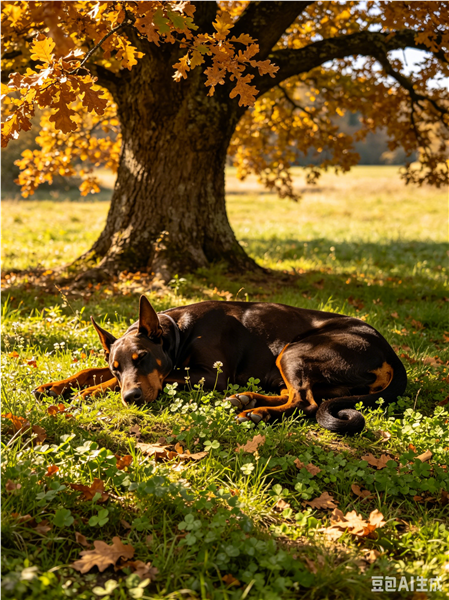
As your Doberman ages, anticipate age-related costs like joint supplements, potential medications for arthritis, and more frequent vet check-ups. Your early savings and preventive care will pay dividends here. Stay informed about common breed-specific health issues like Dilated Cardiomyopathy (DCM) and Von Willebrand's Disease, and discuss proactive screening with your vet.
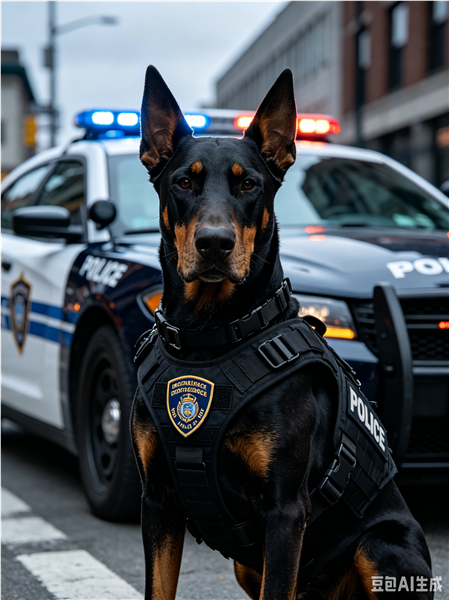
In conclusion, raising a Doberman on a budget requires an investment of time, knowledge, and proactive effort rather than just money. By sourcing smartly, prioritizing preventive health, committing to consistent DIY training and grooming, and focusing on building a balanced relationship, you can enjoy the unparalleled companionship and protection of a Doberman Pinscher without financial strain. The result is not just a cost-effective pet, but a confident, healthy, and loyal guardian who is truly a part of the family.