Raising a Chow Chow dog outdoors presents a unique set of challenges and rewards. Known for their lion-like mane, distinctive blue-black tongue, and aloof personality, Chow Chows are a breed with specific needs, particularly regarding temperature regulation. Their luxurious double coat, which provides excellent insulation, can also become a liability in extreme weather if not managed correctly. This comprehensive guide delves into practical, breed-specific tricks to create a safe and comfortable outdoor living space for your Chow Chow, effectively preventing heatstroke in summer and hypothermia in winter.
The foundation of successful outdoor living for any dog, especially a Chow Chow, is appropriate shelter. A standard dog house is rarely sufficient. For summer, the shelter must be positioned in a consistently shaded area, away from direct afternoon sun. Consider a raised structure to promote air circulation underneath and install proper ventilation or even a canine-safe cooling fan. For colder months, the shelter must be insulated, windproof, and waterproof. The entrance should have a flexible flap to block drafts. The bedding is crucial: raised, breathable cots are ideal for summer, while thick, insulating, and moisture-wicking bedding like cedar shavings or specially designed orthopedic pads are essential for winter. Always ensure the shelter is spacious enough for the dog to stand, turn, and lie down comfortably, but cozy enough to retain body heat in cold weather.
Hydration is a non-negotiable pillar of outdoor care. In hot weather, a Chow Chow requires constant access to fresh, cool water. Multiple water stations in shaded areas are recommended. To prevent water from becoming tepid, use insulated bowls or automatic waterers that connect to a shaded spigot. Adding ice cubes or freezing a portion of water in the bowl can help maintain a lower temperature. In winter, the challenge shifts to preventing water from freezing. Heated dog bowls or waterers with integrated thermostats are invaluable investments. Check the water supply at least twice daily, breaking any ice that forms if a heated solution is not available.
The Chow Chow's magnificent coat is its primary thermoregulator, and its care is paramount. Contrary to intuition, shaving a Chow Chow in summer is one of the worst things you can do. The double coat works as a system: the dense undercoat provides insulation against both heat and cold, while the outer guard hairs protect against UV rays and moisture. Shaving disrupts this system, exposing the skin to sunburn and reducing its natural ability to stay cool. Instead, the key is meticulous and frequent grooming. During spring and summer, daily brushing is essential to remove the thick, shedding undercoat. This "de-shedding" process removes dead hair that traps heat, allowing air to circulate down to the skin. Use an undercoat rake, a de-shedding tool, and a slicker brush. In winter, regular brushing remains important to prevent matting, which can compromise the coat's insulating properties and trap moisture against the skin.
For summer heat prevention, strategic environmental management is critical. Create cool zones in your yard. This can include a shallow, sturdy kiddie pool filled with a few inches of water for wading. Ensure it's placed in the shade and the water is changed regularly. Cooling mats provide another excellent spot for your Chow Chow to lie on. For more active cooling, you can use damp towels draped over the dog's shoulders and back (not covering the head), or offer frozen treats made from low-sodium broth or yogurt. Limit vigorous exercise to the coolest parts of the day—early morning and late evening. Always test pavement or sand with your hand; if it's too hot for you to hold for seven seconds, it's too hot for your Chow Chow's paws.
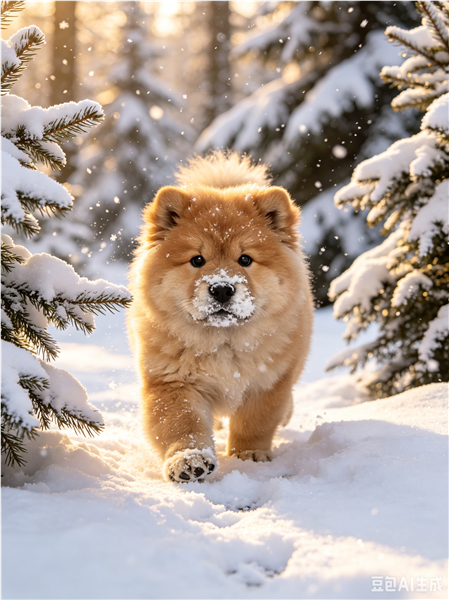
Winter care focuses on protection and monitoring. While the Chow Chow's coat is designed for cold, extreme temperatures, wind chill, and wet conditions are dangerous. After outdoor time in snow or rain, thoroughly dry your Chow Chow's coat, paying special attention to the paws and underbelly. Ice melt and road salt can irritate paw pads and are toxic if ingested. Use pet-safe ice melt on your property and wipe your dog's paws with a damp cloth after walks. Consider using dog boots or a protective paw wax. Monitor your dog closely for signs of discomfort. If your Chow Chow is reluctant to go outside, is shivering, or is lifting its paws, it's time to come in immediately.
Nutritional needs can fluctuate with the seasons for an outdoor dog. In winter, a dog expends more energy to maintain body heat. Consult with your veterinarian about potentially increasing your Chow Chow's caloric intake with high-quality food during prolonged cold spells. In summer, appetite may decrease. Ensure food is fresh and not left out to spoil in the heat. Feeding during cooler times of day can encourage eating.
Vigilant health monitoring is the final and most critical trick. Know the signs of heatstroke: excessive panting and drooling, bright red or purple gums, rapid heartbeat, lethargy, stumbling, vomiting, or collapse. Heatstroke is a medical emergency requiring immediate veterinary care. Similarly, know the signs of hypothermia: intense shivering (which may stop as hypothermia worsens), lethargy, weakness, pale or blue gums, and shallow breathing. Any suspicion of hypothermia warrants immediate warming and veterinary attention. Regular veterinary check-ups are essential to ensure your Chow Chow is healthy enough for an outdoor lifestyle and to discuss any seasonal concerns.
Implementing these practical tricks requires commitment and observation. Every Chow Chow is an individual; some may tolerate heat or cold better than others. Age, health, and acclimatization play significant roles. A puppy, senior, or Chow Chow with health issues will have different requirements than a healthy adult. The goal is not to force endurance but to provide a managed, enriched outdoor environment that caters to the breed's physical design while mitigating its vulnerabilities. By thoughtfully addressing shelter, hydration, grooming, environment, and health, you can harness the practical benefits of raising a Chow Chow outdoors—allowing them space and stimulation—while steadfastly preventing the dangers of heat and cold, ensuring your noble companion thrives in every season.