Fun Corn Snake Fact Collection: Your Ultimate Guide to This Perfect Pet Snake
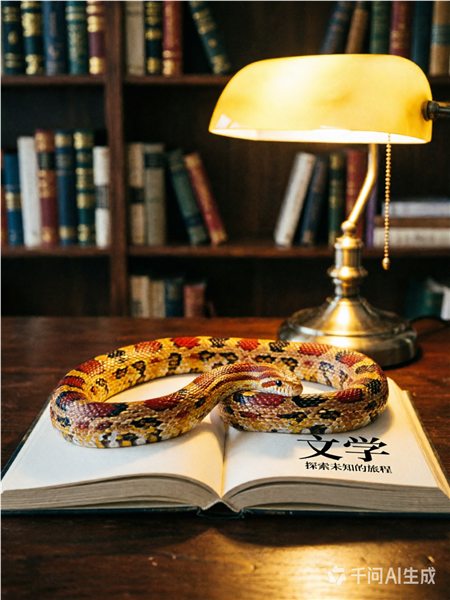
Corn snakes (*Pantherophis guttatus*) are one of the most popular and beloved pet snakes in the world, especially for beginners. Hailing from the southeastern United States, these non-venomous constrictors have won hearts with their docile nature, manageable size, and stunning array of colors and patterns. But there's so much more to these fascinating reptiles than meets the eye. Let's dive into a collection of fun and educational facts about corn snakes!
1. Why Are They Called 'Corn' Snakes?
The origin of their common name is a subject of some folklore. One popular theory is that they were often found in corn cribs or grain stores, where they would hunt the rodents attracted to the harvested corn. Their belly scales sometimes exhibit a checkered pattern that resembles kernels of maize or Indian corn. Another theory suggests the name is a corruption of 'corneum,' meaning horny, referring to their scales. Regardless of the true origin, the name has stuck beautifully.
2. Masters of Mimicry: A Clever Disguise
Corn snakes are often confused with the venomous copperhead, and this is no accident! This is a brilliant example of Batesian mimicry, where a harmless species evolves to resemble a harmful one to deter predators. While corn snakes are typically more slender, have round pupils (copperheads have elliptical, cat-like pupils), and a different head shape, the similarity in base coloration can be striking. This natural 'costume' provides them with a significant survival advantage in the wild.
3. The Rainbow in a Snake: Incredible Morphs
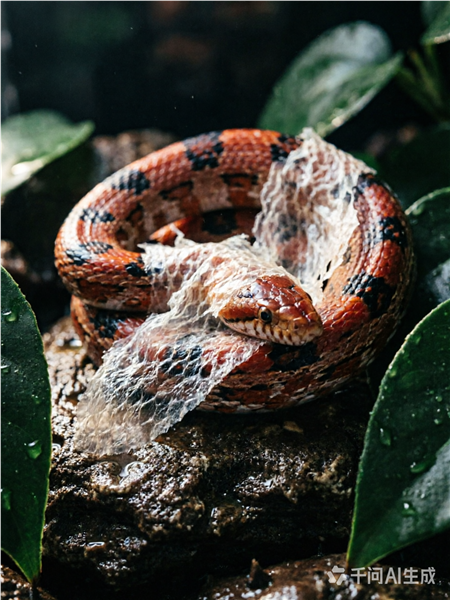
One of the biggest draws of corn snakes is the sheer variety of color and pattern mutations, known as 'morphs,' developed through captive breeding. From the classic 'Normal' or 'Wild-type' with its orange, black-bordered blotches on a grayish background, the possibilities are nearly endless.
- Amelanistic (Amel): Lacks black pigment, resulting in a bright red, orange, and white snake with red eyes.
- Anerythristic (Anery): Lacks red pigment, creating a snake in shades of black, gray, white, and silver.
- Snow: A combination of Amel and Anery, producing a beautiful white snake with pinkish tones and red eyes.
- Lavender: Exhibits a stunning soft purple-gray base color.
- Blood Red / Diffused: Lacks the typical checkered belly and has reduced pattern, showcasing deep, rich red colors.
- Motley / Stripe: Pattern mutations that change the blotches into stripes or a chain-like pattern along the back.
Combinations of these genes create thousands of unique looks, making collecting different morphs a hobby in itself!
4. Temperament: The Gentle Giants (of the Beginner Snake World)
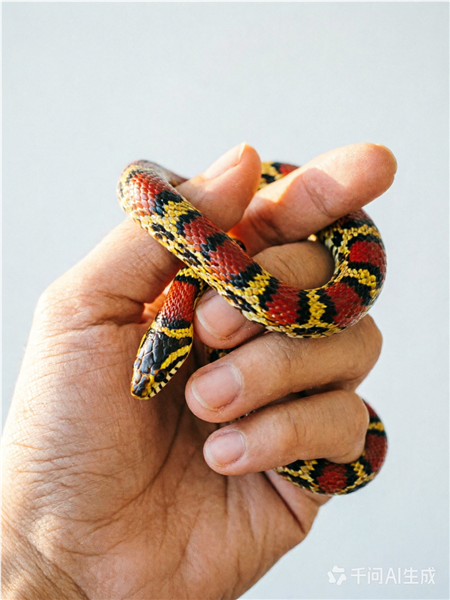
Corn snakes are renowned for their exceptionally docile and curious temperament. They are naturally less prone to biting than many other snake species. When startled, their first instinct is usually to flee or musk (release a smelly substance from their cloaca) rather than strike. With gentle, consistent handling from a young age, they become incredibly tolerant and calm pets, often content to explore their owner's hands and arms. This predictable nature is a primary reason they are the #1 recommended snake for first-time reptile keepers.
5. Housing and Habitat: Creating a Corn Snake Palace
A proper enclosure is key to a healthy, happy corn snake. For an adult, a 20-gallon long tank is the absolute minimum, but a 40-gallon breeder or larger is highly recommended to allow for proper thermoregulation and exercise.
Essential Setup Includes:
- Secure Lid: Corn snakes are notorious escape artists! A tightly fitted, locking screen lid is non-negotiable.
- Temperature Gradient: A thermal gradient is crucial. Provide a warm side with an under-tank heater regulated by a thermostat (78-82°F / 25-28°C) and a cool side (70-75°F / 21-24°C). A basking spot of 85-88°F (29-31°C) can be offered.
- Hides: At least two snug hides—one on the warm end and one on the cool end—so the snake feels secure everywhere.
- Substrate: Options include aspen shavings (great for burrowing), coconut fiber, or paper-based bedding. Avoid cedar and pine, as the oils are toxic.
- Water Bowl: A heavy, tip-proof bowl of fresh water large enough for the snake to soak in if desired.
- Climbing & Enrichment: While not fully arboreal, corn snakes are semi-arboreal and enjoy climbing on branches, cork bark, and artificial plants.
6. Diet and Feeding: The Rodent Specialist
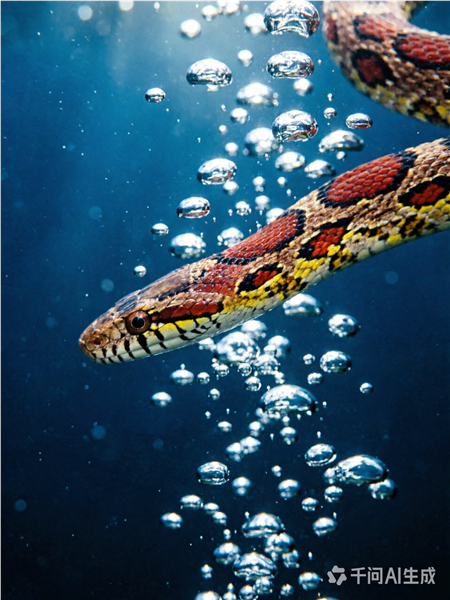
In the wild, corn snakes are opportunistic feeders, primarily preying on small rodents, birds, and their eggs. In captivity, their diet is conveniently simple: appropriately sized frozen-thawed rodents.
- Feeding Schedule: Hatchlings: 1 pinky mouse every 5-7 days. Juveniles: 1 fuzzy or hopper mouse every 7 days. Adults: 1 adult mouse every 10-14 days.
- Prey Size: The rodent should be no wider than the widest part of the snake's body.
- Always use frozen-thawed prey. It is safer (no risk of injury to the snake from live prey) and more humane. Thaw completely in warm water before offering with tongs.
It's normal for corn snakes to go off food during breeding season or when in shed. Consistent refusal to eat may require a veterinarian visit.
7. Lifespan and Commitment
Be prepared for a long-term companion! With proper care, corn snakes regularly live 15-20 years in captivity, with some individuals reaching 25 years or more. This is a commitment comparable to many traditional pets like cats or dogs.
8. Corn Snake vs. Ball Python: The Great Beginner Debate
Both are top contenders for 'best first snake.' Here's a quick comparison:
- Corn Snake: Generally more consistent feeders, more active during handling, requires slightly lower humidity (40-60%), slimmer and more agile.
- Ball Python: Can be more prone to fasting periods, famous for 'balling up' when scared, requires higher humidity (50-60%), thicker-bodied.
- Verdict: Corn snakes often get the edge for absolute beginners due to their hardy nature and reliable feeding response.
9. Fun & Quirky Behaviors
- The 'Tail Buzz': When nervous, a corn snake may rapidly vibrate the tip of its tail against the ground or leaves. In dry leaves, this mimics the sound of a rattlesnake—another clever bluff!
- Exploratory Tongue Flicks: Their constantly flicking tongue collects scent particles from the air, transferring them to the Jacobson's organ in the roof of their mouth to 'smell' their world.
- Burrowing: They love to burrow in their substrate, often disappearing completely only to pop their heads out curiously later.
10. Are Corn Snakes the Right Pet for You?
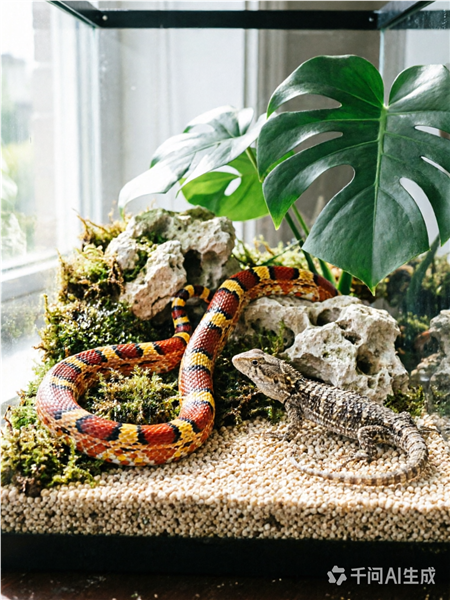
Yes, if you: Want a low-maintenance pet (after initial setup), are fascinated by reptiles, appreciate a pet you observe and handle a few times a week rather than daily, and are ready for a 15+ year commitment.
Reconsider if: You are squeamish about feeding frozen-thawed rodents, want a highly interactive 'cuddly' pet, or have strict housing rules against 'exotic' pets.
In conclusion, the corn snake is a testament to how a wild animal can become a perfect pet through its adaptable nature, beauty, and gentle disposition. They offer a window into the fascinating world of reptiles with a relatively low barrier to entry. Whether you're mesmerized by the kaleidoscope of morphs or charmed by their quiet curiosity, a corn snake can be a truly rewarding companion for years to come.