They have round faces, small noses, silky smooth gorgeous long hair, and a pair of deep eyes that seem to contain the sea of stars. Persian cats, known as the "aristocrat among cats", have conquered the hearts of countless cat lovers with their quiet, sweet and elegant temperament. However, behind this extreme beauty and sweet companionship, there is a responsibility of equal weight. If you are attracted by the charm of this "little hairball aristocrat" and are considering welcoming it into your home, make sure to stop and spend a few minutes reading this "must-see before raising" guide. This article will comprehensively reveal the sweetness and responsibilities of raising Persian cats, and help you make informed decisions.
Chapter 1: First sight of love-The unique charm and sweetness of Persian cats
Why has Persian cats been able to sit firmly on the throne of the most popular pet cat breed for hundreds of years? Its charm does not just come from a good skin.

1.1 The ultimate beauty of the
Persian cat is a typical representative of the "flat-faced cat"(or "short-headed"). This unique facial structure gives them a childlike innocent expression, which is extremely consistent with the human aesthetic definition of "cute." The thick, rich, cascading long hair is its most ornate coat. The colors and patterns are colorful, from pure white, pure black, cream to tortoiseshell, smoke, tiger spots, etc., to meet different aesthetic preferences. Those big round eyes, color often contrast with hair color, gaze as if can reach the heart, quiet and affectionate.
1.2 What matches the angelic character
with their noble appearance is the generally gentle, quiet, and loved character of Persian cats. They are not as keen on parkour and climbing as some lively and active breeds, but prefer to be quiet "handsome men" or "little princesses." Persian cats like to be with their owners. Whether you are reading, working or watching TV, they may quietly curl up next to your legs or on the sofa nearby, purring in satisfaction. They usually call softly and are rarely noisy, making them ideal for living in relatively quiet environments such as apartments. This sense of companionship of "peaceful years" is the emotional comfort that many urbanites seek.
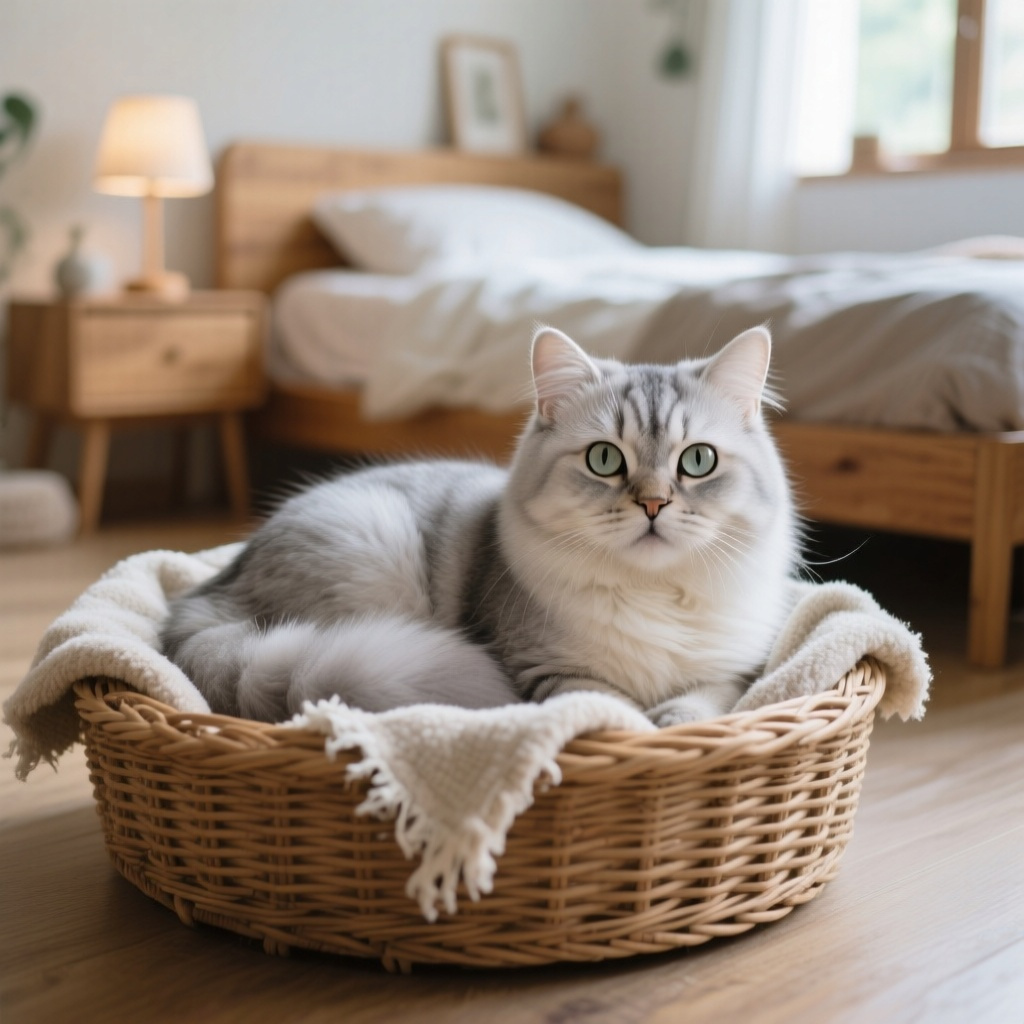
1.3 Adapting to indoor life
Persian cats are natural indoor cats. Their lazy nature and lack of strong wild survival instincts (especially in modern strains that have been bred for a long time) make them well adapted to completely indoor life. You don't have to worry that they will always think of "breaking out" to explore like other cats, which reduces the risk of loss and trauma to a certain extent. A warm, safe home full of toys and climbing frames is enough to make them feel happy and satisfied.
Chapter 2: Responsibility is like a mountain-The sweet side of the challenges that must be faced in raising Persian cats
is the real commitment. Raising a Persian cat, especially a Persian cat with pure blood and good appearance, means that you need to invest much more time, energy and money than raising an ordinary shorthair cat.
2.1 Compulsory daily course: Epic hair care
This is the core and most unavoidable responsibility of raising Persian cats. If you don't comb it every day, the long hair you are proud of will be bundled into a ball in a short period of time and form a felt that is difficult to handle. Severely knotted hair not only affects appearance, but also pulls on the skin, causing pain, hides dirt, breeds bacteria, and even causes skin diseases. In the end, they had to shave them all off and let the cat "run naked" for months, waiting for new hair to grow.
Nursing requirements: At least 10-15 minutes of full-body combing every day. You need to prepare a high-quality row comb and a needle comb. When combing, the movements should be gentle, starting from the tip of the hair and gradually going deep into the roots to avoid pulling hard. Pay special attention to the underarms, abdomen, inner thighs and base of the tail that are prone to knots. In addition to daily grooming, it is also necessary to take a bath regularly (every 1-2 months). You need to use professional cat hair care products and thoroughly dry them to prevent catching cold and skin diseases.
2.2 The "Tears War" that cannot be ignored
Due to the unique flat facial structure, the nasolacrimal duct (the duct responsible for draining tears) of Persian cats is often more curved or narrower than that of ordinary cats, resulting in tears not being discharged smoothly, but overflowing from the inner corners of the eyes. Pigments and bacteria in tears infiltrate the hair below the corners of the eyes for a long time, forming unsightly reddish-brown tear stains.

Nursing requirements: You need to use a soft wet towel or cotton ball every day (or even multiple times a day), dip in a special pet eye cleaner or warm boiled water, and gently wipe the corners of your cat's eyes to keep the area dry and clean. Diet and health conditions (such as ear canal infections, blocked nasolacrimal ducts) can also affect the severity of tear stains and require comprehensive management. This is a protracted war that requires great patience.
2.3 Potential health hazards
Selective breeding not only gives Persian cats a unique appearance, but also brings some genetic health problems. Owners must understand and prevent them in advance:
- Polycystic kidney disease (PKD): A common genetic disease, multiple cysts form in the kidneys, which gradually damages renal function. Breeding cats can be screened through genetic testing, and a PKD negative certificate must be required when purchasing a cat.
- Hypertrophic cardiomyopathy (HCM): The most common heart disease in cats, with a high incidence in Persian cats. Regular physical examinations and cardiac ultrasound are the only way to early detection.
- Respiratory problems: The short skull structure may lead to shortened nasal cavities and long soft palates, causing poor breathing, snoring, exercise intolerance, and risk of heatstroke in hot or humid weather.
- Dental problems: Crowded facial structures can lead to irregular alignment of teeth, making it easier to accumulate tartar, causing gingivitis and periodontal disease. Focus on oral care, such as brushing your teeth or using mouthwash.
This means that scheduling regular veterinary physical examinations for Persian cats (recommended once a year and half a year for older cats) and purchasing appropriate pet medical insurance is a very smart investment.
2.4 Huge daily expenses
The cost of raising Persian cats is far more than the money at the time of purchase. Continuing expenses include:
- high-quality cat food: In order to maintain hair health and reduce tear stains, high-end cat food with balanced nutrition and no excessive artificial additives needs to be selected, which may include prescription food.
- Nursing products: Professional combs, body wash, eye cleaner, pet wipes and other consumables.
- Medical reserves: As mentioned above, potential genetic diseases mean the need to be prepared for possible medical expenses (tests, drugs, even surgery).
- Beauty costs: If you can't complete complex treatments such as bathing, drying, and shaving your feet by yourself, regular transportation to a pet store for beauty treatment is also a fixed expense.
Chapter 3: From Preparation to Companion-Comprehensive Breeding Guide
If you are still determined to welcome this little aristocrat after learning about all the challenges, the following guide will help you get off to a better start.
3.1 Deliberation and channels before purchasing. Choose to
adopt or buy? Consider adoption first. Some animal rescue agencies or breed cat rescue organizations may have abandoned Persian cats (often because the original owner cannot shoulder the responsibility of caring), and giving it a warm home is a great act of kindness. If you choose to buy, be sure to stay away from unscrupulous backyard cathouses and pet stores. Look for reputable cat houses registered by associations such as CFA/TICA. Regular cattery meeting:
- Provide genetic disease screening certificates of breeders (such as negative PKD).
- Allow the kitten to grow up in a healthy, socially friendly environment and not move to a new home until it is at least 12 weeks old.
- Vaccinated, dewormed, and have a health record.
- Allow or even encourage you to visit the environment.
- Give you an "interview" to make sure you understand the breed and are responsible for the cat.
- Provide after-sales support and contract guarantees.
3.2 Families prepare for a safe environment before picking up cats
- : Seal windows! Seal the windows! Seal the windows! Say important things three times. Put away plants (such as lilies, green radish, etc.) that are toxic to cats, small swallows items and wires.
- must-have items: Spacious litter box (recommended open to facilitate long hair in and out), low-dust litter, high-quality cat food and water bowls (ceramic or stainless steel is preferred), multiple cat grab plates, comfortable cat nests, grooming tools, nail clippers, pet shower gel, eye cleaner, toys, etc.
- Psychological preparation: The whole family reaches a consensus on feeding responsibilities, especially who is responsible for daily care.
3.3 Daily care flow chart (simplified version)
Daily: combing hair; cleaning tear stains at the corners of your eyes; changing drinking water and cleaning water bowls; cleaning the litter box; interactive play.
Weekly: Inspect and clean ears; trim nails; clean teeth with a pet toothbrush or finger cuff.
Monthly: Bathing as needed (extend to every 6-8 weeks if the cat is clean); thoroughly clean and disinfect the litter box and cat living area.

Every year: Take it to a veterinarian for a comprehensive health check-up, including vaccination, deworming and necessary blood tests.
3.4 Diet and Nutrition Management
Diet is the foundation of health. Choose cat food with high protein content, moderate carbohydrate content, and added Omega-3 and Omega-6 fatty acids (good for coat health). Some Persian cats may be sensitive to certain ingredients and need to be patient and try to find the most suitable brand. To ensure adequate drinking water, place water bowls in multiple places in the home or use a pet water dispenser to encourage cats to drink more water, which helps kidney health and prevents urinary diseases. Avoid feeding human table foods, especially foods that are toxic to cats such as high salt, sugar, onions and garlic.
Chapter 4: Long-term commitment-Spending a lifetime with a Persian cat
The life expectancy of a Persian cat is usually 12-17 years, or even longer. This means that your decision will be a commitment that lasts for more than ten years.
It is lively and lovely in childhood and needs your guidance and socialization; it is stable and elegant in adulthood and is your quiet companion; in old age, it may become sluggish and require more careful medical care and more digestible food. Its hair will always need your grooming, and its eyes will always need your wiping. When it gets sick, you need to never abandon it and give it the best treatment.
This responsibility is heavy and real. But the rewards are incomparable: when you come home from a tiring day, you see a furry figure waiting quietly at the door; when you feel lonely, it jumps gently on your knees and soothes your soul with a warm purr; the total trust and dependence you feel when you stare into its pure eyes... these moments, all the efforts are worth it.
Conclusion
The Persian cat is not an ornament, but a life, a beautiful life that requires extremely high maintenance costs. Before indulging in their "sweetness", please be sure to see clearly the heavy "responsibility" behind you. Only when you are convinced that you have the ability, patience, and perseverance to meet their special needs, then welcome them with open arms. Only in this way can you write a beautiful chapter full of love and warmth for more than ten years with this "little noble ball". Before raising, you must see that you are responsible for yourself, but also for the small life that will be entrusted to you for life.