Multi-Pet Family Breeding: Border Collie Breeding Skills
Welcoming a Border Collie into a home that already has other pets is a rewarding yet complex endeavor. Renowned for their intelligence, energy, and strong herding instincts, Border Collies require specific breeding and management skills to thrive in a multi-pet environment. Success hinges on understanding the breed's unique characteristics and implementing strategies that promote harmony, safety, and mutual respect among all your animal companions. This comprehensive guide delves into the essential skills for breeding and raising a Border Collie alongside other dogs, cats, or small pets.
Understanding the Border Collie Temperament

Before introducing a Border Collie to your existing pet family, it's crucial to understand their core temperament. Bred as working sheepdogs, they possess an unparalleled work ethic, high intelligence, and boundless energy. They are often described as "velcro dogs" due to their strong desire to be close to their owners and involved in all activities. However, their herding instinct can manifest as nipping at heels, staring intently (the "eye"), and attempting to control the movement of other animals and even children. In a multi-pet home, this instinct must be carefully managed to prevent stress or conflict with other pets who may not appreciate being "herded." Their sensitivity means they respond best to positive, consistent training and can become anxious or develop neurotic behaviors in chaotic or under-stimulating environments.
Pre-Arrival Preparation: Setting the Stage for Success

Preparation is key to a smooth integration. Begin by ensuring your current pets are well-socialized and up-to-date on vaccinations and health checks. Create a dedicated, safe space for the new Border Collie puppy or adult dog. This should include a crate for secure rest, separate feeding stations to avoid resource guarding, and an abundance of toys. Invest in baby gates to manage initial introductions and control access to different home areas. Gather essential supplies: high-quality food appropriate for the Border Collie's life stage, sturdy leashes, identification tags, and interactive puzzle toys to channel their mental energy. Most importantly, schedule a veterinary visit for your new arrival immediately to establish a health baseline.

The Introduction Protocol: Slow and Steady Wins the Race
Rushing introductions is a common mistake. The process should be gradual and controlled. Start with scent swapping; rub a cloth on your existing pet and let the Border Collie sniff it, and vice versa. For the first face-to-face meeting, choose a neutral territory like a quiet park or a friend's yard, not your home. Have both dogs on leashes handled by calm adults. Keep the initial interaction brief and positive, rewarding calm behavior with high-value treats. For cat introductions, keep the Border Collie on a leash and allow the cat to have a high escape route. Never force interaction. Supervised, short sessions over days or weeks are far more effective than one long, stressful meeting. Watch body language closely: stiff postures, fixed stares, or growling are signs to calmly separate and try again later.
Training Fundamentals for Multi-Pet Harmony
Obedience training is non-negotiable for a Border Collie in a multi-pet home. Start with core commands: "leave it," "stay," "come," and a solid recall are lifesavers. "Leave it" is particularly vital to stop unwanted herding or chasing of other pets. Use positive reinforcement—treats, praise, play—to motivate this intelligent breed. Impulse control exercises, like waiting patiently at doors or before meals, teach self-regulation. Crate training provides a safe den for the Border Collie and gives your other pets a break. Remember to train your existing pets as well; reinforcing their good behavior around the new dog helps establish peaceful coexistence. Consistency from all human family members is essential to avoid confusing the dog.
Managing Herding Instincts with Other Pets
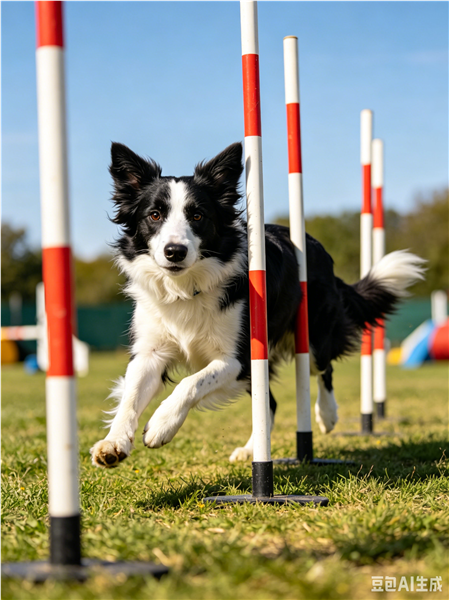
The herding drive is innate and cannot be trained out, but it can and must be redirected. Provide ample approved outlets for this behavior. Structured activities like agility, flyball, frisbee, or advanced obedience provide the physical and mental workout a Border Collie craves. Herding balls or specific chasing toys can satisfy the urge to chase in a controlled manner. When you see the Border Collie beginning to fixate or stalk another pet, immediately interrupt the behavior with a command like "look at me" or "come," and redirect to a more appropriate activity. Teaching a strong "stop" or "enough" cue is critical for safety. Never allow nipping or chasing of other pets as play, as it can escalate and frighten the other animal.
Resource Management: Preventing Conflict
Food, toys, beds, and even human attention can become sources of tension. Feed all pets in separate, undisturbed areas. Pick up toys when not in supervised play to prevent possessive guarding. Provide multiple water stations and comfortable resting spots so no pet feels cornered or has to compete for basics. When giving treats or affection, be fair and controlled; sometimes treat all pets simultaneously to build positive associations. Teach your Border Collie to "go to your place" (a mat or bed) during hectic times like meal prep or when guests arrive, which helps manage excitement and space.
Ensuring Individual Attention and Bonding

In a busy multi-pet home, it's easy for individual bonds to weaken. Schedule one-on-one time with your Border Collie every day. This could be a dedicated training session, a solo walk, or a game of fetch. This strengthens your connection, provides the focused mental stimulation they need, and reduces jealousy-driven behaviors. Similarly, spend quality time with your other pets to reassure them of their place in the family. This balanced attention prevents any single pet from feeling neglected or becoming overly dependent on interactions with other animals for stimulation.
Socialization and Ongoing Enrichment

Socialization doesn't end after puppyhood. Continue to expose your Border Collie to various safe dogs, people, and environments to maintain their confidence and polish their social skills. Enrichment is vital to prevent boredom, which can lead to destructive behaviors or excessive pestering of other pets. Rotate puzzle toys, create scent work games, practice new tricks, and provide chew toys. A tired Border Collie is a well-behaved Border Collie, and mental fatigue is just as important as physical exercise. A structured daily routine that includes training, exercise, play, and quiet time helps all pets understand what to expect, reducing overall household anxiety.
Recognizing and Addressing Problems
Despite best efforts, issues may arise. Be vigilant for signs of persistent stress in any pet: hiding, changes in appetite, excessive vocalization, or aggression. Resource guarding, where a dog becomes defensive over items or space, requires professional intervention if severe. If your Border Collie's herding behavior is causing fear or injury to another pet, or if intense rivalry develops, consult a certified professional dog trainer or veterinary behaviorist immediately. They can assess the dynamics and create a customized behavior modification plan. Never punish warning growls, as this suppresses communication and can lead to a sudden bite.
Long-Term Coexistence and Happiness
Building a harmonious multi-pet family with a Border Collie is a long-term commitment. Celebrate small successes and be patient. Each pet has its own personality and adjustment timeline. As your Border Collie matures (typically around 3 years old), you may see a calming of the most intense puppy behaviors, but their need for engagement remains lifelong. By providing clear leadership, ample appropriate outlets for their drives, and a structured, loving environment, you can cultivate a home where your brilliant Border Collie and your other pets live together not just peacefully, but joyfully. The bond they form with each other, under your guidance, can become one of the most rewarding aspects of sharing your life with multiple animals.
In conclusion, breeding and raising a Border Collie in a multi-pet household demands proactive management, deep understanding, and consistent training. It is a journey that challenges you to become a more skilled and attentive pet owner. The payoff is a dynamic, intelligent companion who integrates into your existing animal family, bringing added energy, loyalty, and joy to your shared home. By respecting the needs of all species and individuals involved, you create an ecosystem of mutual respect and companionship that enriches every life within it.