Owning a Persian cat is like having a living work of art that can breathe and act coquettishly. Their elegant steps, gorgeous long hair and quiet character have conquered the hearts of countless cat slaves. However, behind this beauty, the owner needs more meticulous care and scientific maintenance. This article will present you with a super detailed guide to Persian cat breeding, from entry to mastery, covering all aspects of food, clothing, housing and transportation, and helping you give your master the most considerate protection.
Chapter 1: Welcoming the Persian cat-from preparation to settling down
Before taking this "little princess" or "little prince" home, adequate preparation is the first step to successful breeding.
1.1 Environmental safety inspection
Persian cats are not very curious but are a little clumsy in their actions. They need to ensure the safety of the home environment: seal windows (be sure to install strong screens), put away plants that are toxic to cats (such as lilies and green radishes), properly store wires, small objects and fragile items, creating a space for exploration without hidden dangers.
1.2 List of essential items
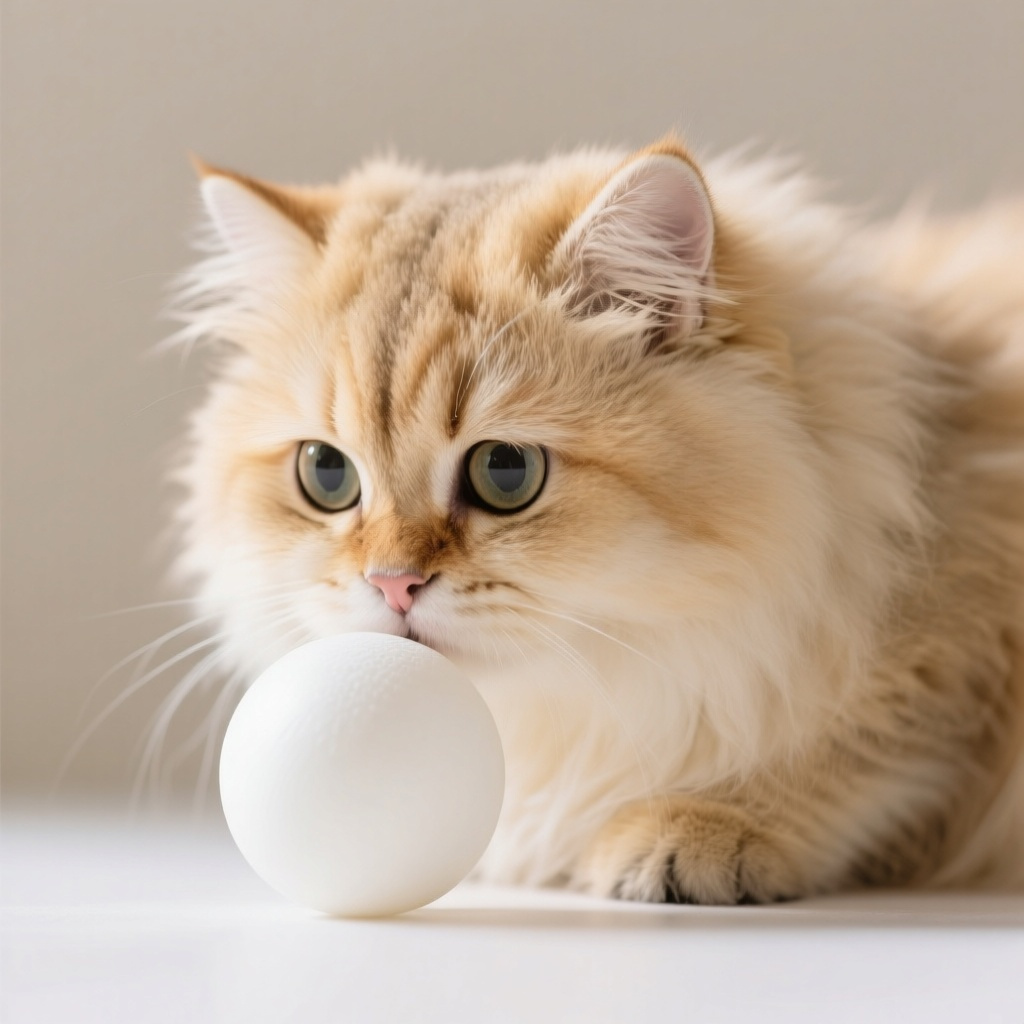
- Cat food and water bowls: It isrecommended to choose a shallow bowl made of ceramic or stainless steel to avoid bacteria breeding in plastic bowls and causing "black chins". Prepare two and store food and water separately.
- Cat litter box:Due to the long hair of Persian cats, it is recommended to use a top-in or large enclosed litter box to prevent cat litter from being carried out and give it enough toilet space.
- Cat litter:Bentonite or tofu cat litter can be used. The key is that it is dust-free, has good agglomeration, protects the cat's respiratory tract and is easy to clean.
- Cat litter and scratch board:Provide a soft and comfortable cat litter. Cat scratching boards are essential to protect furniture.
- Comb:This is the most important tool! Prepare a row comb (to handle knots) and a needle comb (to comb daily), and it is best to prepare a hair removing comb for the hair changing season.
- Others:nail scissors, pet shower gel, toys, transportation air boxes, etc.
1.3 Adaptation period after picking up the cat home
Put the cat in a prepared quiet room (such as a study) without forcing interaction. Let it familiarize itself with the location of the litter box, water bowl and cat litter. Given enough time to adapt to the smells and sounds of the new environment, it usually takes 3-7 days. During this period, keep your diet the same as before. If you need to change food, it will take at least a week to gradually transition.
Chapter 2: Delicate feeding-eating for health and beauty
"Eating" is the cornerstone of health. Diet is particularly important for Persian cats with relatively sensitive stomachs and needs beautiful fur.
2.1 Cat food selection principles
When choosing high-quality cat food, the top few places in the ingredient list should be clear meats (such as chicken, fish). Avoid containing large amounts of grains, food attractants and meat meal of unknown origin. For Persian cats, consider choosing some adult cat food with "hair care","hair removal" or "gut health" formulas. Dry food helps clean teeth, and wet food (canned staple food) can replenish water. It is recommended to mix it with dry and wet.
2.2 Feeding frequency and amount
Adult Persian cats are recommended to be fed 2-3 times a day, following the recommended feeding amount on the cat food package, and adjusting it based on the cat's body size and activity level. Persian cats are not athletes, and their food intake needs to be strictly controlled to prevent obesity. Be sure to provide fresh and sufficient drinking water, encourage drinking more water, and prevent urinary system diseases.
2.3 Nutritional supplements and contraindications
You can feed boiled chicken breast, egg yolks (beautiful hair) or canned staple food 1-2 times a week as an extra meal. Remember:Do not feed cats human table food, especially onions, chocolate, grapes, alcohol and other foods that are toxic to cats. Milk may also cause lactose intolerance and diarrhea.
Chapter 3: Daily protection of gorgeous fur-combing and cleaning
This chapter is the core of Persian cat breeding. Daily combing is a required course to maintain the relationship between humans and cats and keep cats healthy and beautiful.
3.1 Combing hair every day is unshakable
The long hair of Persian cats is extremely easy to knot, especially under their armpits, abdomen and base of their hind legs. Spend at least 15-20 minutes a day combing it. The sequence should start with the head, follow the direction of hair growth, and gently comb layer by layer. When encountering small hair knots, use your fingers to twist them first, and use a row of combs to carefully pick up big hair knots. Avoid pulling them raw and hard. Regular grooming can effectively reduce the flying of cat hair at home and prevent hairball disease.
3.2 Bathing Tips
Persian cats do not need to bathe frequently, once every 1-2 months or when the hair is obviously dirty. Be sure to thoroughly comb all hair before taking a bath. Use pet-specific body wash, and the water temperature should be warm. Rinse thoroughly, as residual body wash may damage skin and hair. Immediately after washing, wrap it with a large towel and dry it dry, and thoroughly dry it with low hot air from a hair dryer to prevent colds and skin diseases.
3.3 "Face Project"-Tears Care
The flat facial structure of Persian cats causes the nasolacrimal ducts to easily bend and block, resulting in obvious tear stains. Daily care is crucial:
- Daily cleaning:Use pet-specific tear stain wipes or non-irritating physiological saline cotton pads to gently wipe the corners of the eyes and tear stains.
- Keep dry:After wiping, gently pat dry with a soft dry tissue or cotton swab to keep the hair under your eyes dry.
- Diet screening:Sometimes tear stains are related to food allergies or salt and additives in cat food. Try replacing cat food.
- Trim:Trim excessive hair around the eyes regularly to avoid irritating the eyes.
Chapter 4: Health monitoring and prevention of common diseases
Understand the common health problems of Persian cats and achieve early detection, early prevention and early treatment.
4.1 Cognition of inherited diseases
- Polycystic kidney disease (PKD):A genetic disease with high incidence in Persian cats. Responsible backmasters will provide parents with PKD genetic test reports before the kittens are sold. Regular physical examinations (including B-ultrasound) are an important monitoring method.
- Hypertrophic cardiomyopathy (HCM):Another common heart disease. Screening can be performed by cardiac ultrasound.
- Respiratory problems:Short nose and flat face may cause poor breathing and snoring. In summer, special attention should be paid to sunstroke prevention and avoid strenuous exercise.
4.2 Daily health self-examination
Combing every day is also a good time to check your body: check for rashes and hair removal on the skin; whether your ears are clean and without dark secretions; whether your eyes are bright and without excessive secretions; whether your teeth have calculus; and whether your claw pads are injured. Observe your cat's appetite, water, bowel movements and mental state, and consult your veterinarian promptly for any persistent abnormalities.

4.3 Regular immunization and deworming
Vaccination of cat triple vaccine and rabies vaccine is carried out strictly in accordance with the schedule recommended by the veterinarian. Even if it is completely kept indoors, regular internal and external deworming is needed (usually internal deworming every 3 months and external deworming once a month) to prevent parasitic infections.
Chapter 5: Behavior and Interaction-Understanding Your Quiet Partner
Persian cats are gentle and quiet, and like companionship but are not overly clingy.
5.1 Personality traits
They are usually soft-spoken, graceful, and prefer to observe the world from high places or quiet corners. They may be less enthusiastic about crazy parkour than other breeds, but they still need attention and interaction from their owners.
5.2 Interaction and play
Spend time interacting with it with a cat stick, laser pointer (never shoot it directly in the eye) or small toys every day to satisfy its hunting nature and enhance feelings. Persian cats also enjoy the quiet stroking and grooming time.
5.3 Toilet training and environmental enrichment
Persian cats are usually clean and can quickly learn to use cat litter boxes. Make sure the litter box is clean and in a quiet location. Provide cat climbing stands, window sill viewing spaces, etc. to enrich its indoor life and avoid behavioral problems due to boredom.
Chapter 6: Nursing during special periods
6.1 Hair changing season (spring and autumn)
At this time, the amount of hair loss has increased sharply, and it is necessary to increase the frequency of combing to twice a day, or even use a hair removing comb. Appropriately supplement hair-beautifying nutrients such as lecithin and fish oil to help new hair grow healthily. Consider using hair-removing cream or cat grass to help expel licked hair.
6.2 Elderly care (over 7 years old)
The life expectancy of Persian cats is usually around 12-15 years. After entering old age, you need to pay more attention to health: adjust to elderly cat food, regular physical examinations (recommended every six months), pay attention to joint health (provide ramps for easy going up and down), and provide more patience and companionship.
Raising Persian cats is a sweet responsibility. It rewards your efforts with a lifetime of companionship and beauty. This guide covers the main aspects of breeding, but each cat is a unique individual and requires constant observation and adjustment in your daily life. May you and your Persian cat master accompany each other and share countless warm and peaceful moments.