From Fry to Adult: Key Points for Staged Rearing of Arowana
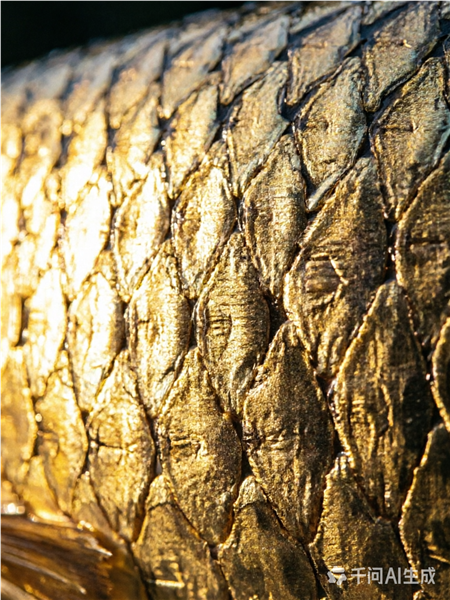
The Arowana, revered as a "living gem" in the ornamental fish world, is highly sought after by high-end hobbyists for its majestic physique, shimmering scales, and kingly demeanor. However, successfully raising a delicate fry into a magnificent adult is no overnight feat, nor is it simply about feeding and water changes. It is a systematic project requiring scientific planning, meticulous patience, and consistent care across different life stages. This article divides the growth of the Arowana into three stages: juvenile, sub-adult, and adult, detailing the core rearing points for each stage to help you raise your dragon scientifically and witness its splendid transformation.
Stage One: Juvenile Period (Under 15-20 cm in length) – Laying the Foundation for Healthy Growth
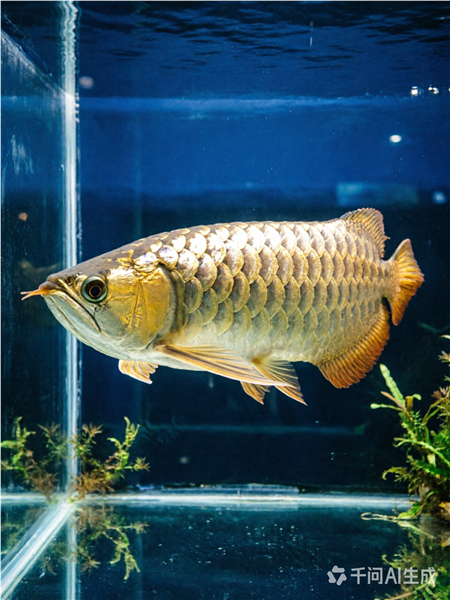
At this stage, Arowana fry are particularly delicate, and this period is crucial for determining their future constitution and development. The core of rearing lies in providing a stable, high-quality environment to encourage active feeding and safe, rapid growth.
1. Environment and Tank Setup
Tank Size: For young arowanas, a medium-sized tank with a length of 80-100 cm can be used initially. Too much space can make the young fish feel insecure, leading to stress and refusal to eat; too little space restricts their growth. It's advisable to plan ahead and prepare a final home that is at least 150 cm long.
Water Quality Management: Water quality is paramount for the survival of young arowanas. Proper water conditioning is essential, and a well-established nitrification system must be in place. Ideal water parameters are: temperature 28-30°C (constant, fluctuation not exceeding ±1°C), pH 6.5-7.5 (kept stable), ammonia and nitrite levels must be 0. Perform partial water changes 1-2 times per week, changing about 1/5 of the total water volume each time. New water must be fully aged or RO-treated to ensure its temperature and pH are close to the tank water.
Environmental Setup: Avoid sharp decorations inside the tank to prevent injury to the young fish. A clean piece of driftwood or smooth stone can be added. To reduce stress caused by an open environment, initially cover three sides of the tank with dark background paper, leaving only the front for viewing.
2. Feeding Strategy
Food Choices: Focus on high-protein, easily digestible live or frozen foods, such as shelled and chopped frozen bloodworms, freshly washed and chopped small river shrimp meat, and headless/tail-less mealworms. Frozen foods must be completely thawed, and live foods must be properly disinfected to prevent introducing pathogens.
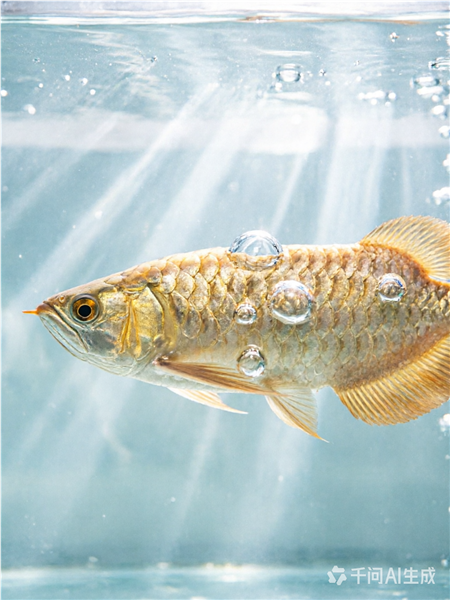
Feeding Frequency and Amount: Follow the principle of "small, frequent meals." They can be fed 2-3 times a day, with the amount being what the fry can finish within 5 minutes, resulting in a slightly bulging abdomen. Avoid overfeeding at once, which can cause indigestion or water pollution.
3. Lighting and Health Observation
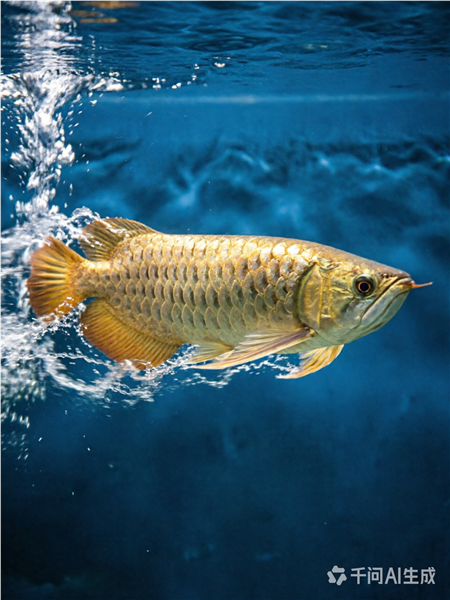
Lighting should not be too strong at this stage. Using ordinary LED white light for 4-6 hours daily is sufficient, mainly to simulate a day-night cycle. The focus should be on daily careful observation of the fry's condition: Is swimming posture steady? Is appetite strong? Are there any abnormalities on the body surface like white spots or fungus? If any abnormality is found, isolate the fish immediately and treat it gently.
Stage Two: Sub-Adult Period (20-40 cm in length) – Shaping Physique and Inducing Gold Color
When the Arowana successfully passes the juvenile stage and enters the energetic sub-adult phase, the rearing focus shifts from "survival" to "shaping" and "color enhancement." This is a critical period for bone frame development and the beginning of gold pigment deposition.
1. Tank Upgrade and Water Flow Stimulation
The fish must be moved to a large tank at least 150 cm long and 60 cm wide to provide ample swimming space, promoting a long and majestic physique. Appropriate water flow can be created using wave makers to encourage the arowana to swim against the current, exercising its pectoral fins and body shape. However, avoid excessively strong currents that may cause fatigue and stress.
2. Core Task: Gold Color Development and "Pearl" Scale Climbing
Background and Base Color: To promote the richness of the Arowana's gold color, change the tank background to pure black or dark blue during this stage. It's best to lay a black substrate on the tank bottom as well. A dark environment stimulates the pigment cells on the fish's body, making the golden-yellow hue at the base of the scales more intense.
Lighting Strategy: Lighting is a key tool for inducing gold color and scale climbing ("pearling" or "climbing"). It is recommended to use specialized Arowana color-enhancing lights (such as LED gold or white lights with suitable wavelengths). The installation position is usually at the top of the tank, near the water surface, with light shining from top to bottom. Daily lighting duration can be extended to 8-10 hours. Observe carefully; if the arowana shows significant side-swimming or light-avoidance behavior, reduce the light intensity or duration appropriately.
About "Roasting": Avoid using extremely strong lights for prolonged periods (like 24 hours), a hasty method often called "roasting." This can cause the base color of the scales to set prematurely and become dull, even damaging the eyes. The result is counterproductive. A natural, gradual approach is the correct way.
3. Diversified Feeding and Body Shape Control
Food Diversification: While ensuring staple foods (shrimp meat, fish fillets), insects (such as crickets, centipedes) can be added regularly as "treats." Insects are rich in substances like astaxanthin, which aids in color development. Shelled river shrimp can also be fed, as their astaxanthin benefits color vibrancy. Always pay attention to the cleanliness and safety of the food.
Controlling Feeding Amount: At this stage, the arowana has a strong appetite, but conscious control of body shape is necessary to prevent excessive obesity, which can lead to a bloated physique and increased risk of dropped eye syndrome. Adjust to feeding 1-2 times per day, stopping when the fish is about 70-80% full. Regularly observe its body shape, maintaining a streamlined silhouette with "broad shoulders and a lean abdomen."
Stage Three: Adult Period (Over 40 cm in length) – Maintaining Optimal Condition and Showcasing Majesty
Upon entering adulthood, the Arowana's physique, gold color, and base color are largely established. The rearing goal shifts to maintaining its best condition, extending its ornamental lifespan, and allowing its kingly demeanor to shine.
1. Fine-Tuning Water Quality Management
Adult arowanas are still sensitive to drastic water parameter fluctuations, though more adaptable than when young. Maintain water temperature at 27-29°C and pH stable around 7.0. Water change frequency can be adjusted to once a week, changing 1/4 of the volume each time. The focus is on regularity and stability. The powerful filtration system must be consistently maintained to ensure clear, bright water.
2. Optimizing Feeding and Health Maintenance
Diet Adjustment: Further reduce the feeding of high-fat foods. Focus on shelled shrimp meat and fish meat, with insects as a supplement 1-2 times per week. Specialized Arowana pellets rich in vitamins can be added appropriately to ensure balanced nutrition.
Disease Prevention: Common health issues in adulthood include fatty liver disease caused by long-term single-food diets or excessive fat intake, and diseases like pinecone disease (dropsy) or cloudy eye caused by aging water. Regularly adding vitamins and implementing a "starvation day" (fasting one day per week) can help promote metabolism and prevent internal organ diseases.
3. Lighting and Daily Interaction
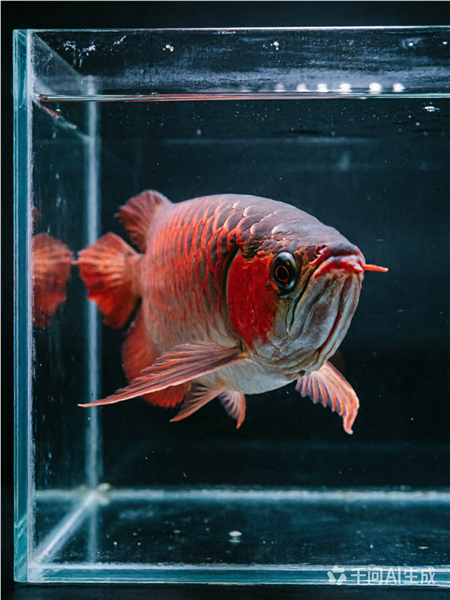
Lighting duration can return to normal, 6-8 hours per day is sufficient, mainly for viewing and maintaining its circadian rhythm. At this point, a well-conditioned Arowana, under suitable lighting, should have every scale shimmering with a metallic luster, with all six rows of scales fully illuminated (for "Cross Back" varieties), thick gold rims on the gill covers, and a calm, majestic swimming style. Peaceful daily interaction from the owner, such as feeding at regular times and gentle approach, helps maintain the fish's stable temperament.
Universal Key Points and Common Issue Management Applicable Throughout All Stages
1. Jumping Prevention:
Arowanas are natural "jumpers." At any stage, the tank must be equipped with a secure lid, with ventilation holes and cable ports properly designed to prevent them from leaping out and causing tragedy.
2. Notes on Community Tanks:
Arowanas have strong territorial instincts; keeping them with other fish requires extreme caution. If attempting community tanks, introduce slightly smaller tankmates early in the sub-adult stage, providing ample space and hiding spots. Close observation is essential during the initial period of cohabitation to prevent fatal fights.
3. Principles for Disease Response:
"Prevention is primary, treatment is secondary." Maintaining water quality is fundamental to preventing most diseases (e.g., Ich, fungal infections, pinecone disease). Once illness occurs, first consider conservative treatment using the "old three methods": raising the temperature (to 30-32°C), adding salt (3 grams per liter), and increasing water change frequency. Use medication only as a last resort, strictly calculating the dosage.
4. Patience and Mindset:
The most important point in keeping Arowanas is patience. Their color development and scale climbing is a slow process measured in "years," influenced by genetics, environment, and rearing techniques. Avoid blind comparison with others. Do not frequently change rearing strategies (like suddenly changing background, lights, or food) due to lack of short-term visible progress. A stable environment and consistent, scientific care are the only ways to cultivate a top-quality Arowana.
In summary, from fry to adult, raising an Arowana is a long journey full of anticipation. Each stage has its unique tasks and joys: the meticulous care during the juvenile period, the delight of witnessing the gradual enhancement of gold color during the sub-adult stage, and the appreciation of its commanding presence in adulthood. As long as you master the scientific points for each stage and provide enough care and patience, this aquatic king will undoubtedly reward your long-term companionship and dedication with its most glorious form. May every Arowana enthusiast enjoy this process and reap their own share of brilliance and glory.