Corn snakes are one of the most popular pet snakes in the world, beloved for their docile nature, manageable size, and, most of all, their incredible array of colors and patterns. These variations are known as "morphs," created through selective breeding of genetic traits. For a beginner, the world of corn snake morphs can seem overwhelming with exotic names. This guide will break down the most common and classic morphs in simple terms, helping you understand and appreciate the diversity of these beautiful reptiles.
Understanding Corn Snake Genetics: The Basics
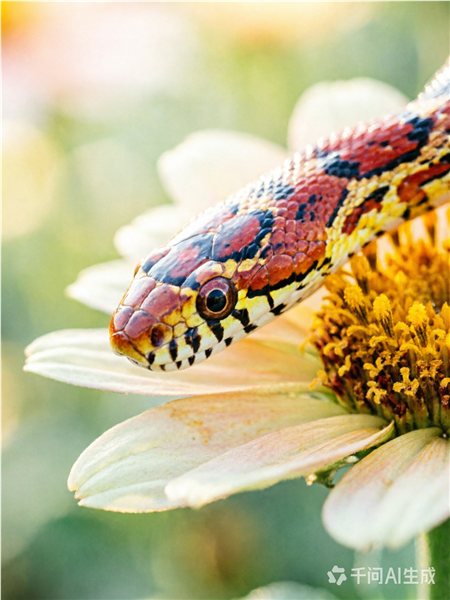
Before diving into specific morphs, it helps to know a tiny bit of the genetics behind them. Think of genes like instructions for color and pattern. A "normal" or "wild-type" corn snake displays the classic orange, black-bordered red saddles, and a checkered black-and-white belly. Morphs occur when there is a change (mutation) in one or more of these genetic instructions.
The most basic mutations are often recessive. This means a snake must inherit the mutated gene from both parents to show that particular morph. If it only gets one copy, it looks normal but carries the gene hidden—this snake is called a "het" (heterozygous). Other traits are co-dominant or dominant, where only one copy of the gene is needed for the trait to be visible.
The Classic & Common Corn Snake Morphs
Here are some of the most established and frequently seen corn snake morphs, perfect for beginners to recognize.
1. Amelanistic (Amel)
Often the first morph beginners encounter, the Amelanistic corn snake lacks black pigment (melanin). This results in a vibrant snake with bright red or orange saddles on a white, yellow, or light orange background. Their eyes are typically pink or red. They are a staple in the hobby and are often used in breeding to create other stunning combinations.
2. Anerythristic (Anery)
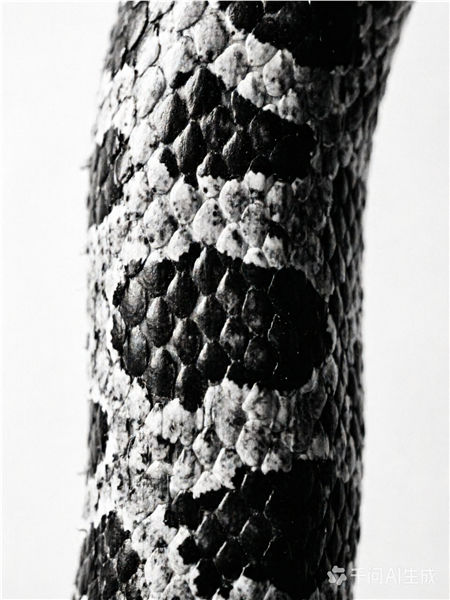
The opposite of Amel, the Anerythristic morph lacks red and yellow pigments (erythrin). This leaves the snake displaying shades of black, gray, white, and silver. The saddles are a dark charcoal gray on a light gray background, and they often retain a bit of yellow on the neck and throat. The "Anery A" type is the most common.
3. Snow
The Snow corn snake is a double recessive morph, combining both Amel and Anery genes. With no black OR red/yellow pigment, these snakes are primarily white with faint pink, yellow, or lavender blotches that may become more pronounced with age. They have pink eyes and are a favorite for their delicate, pastel appearance.
4. Hypomelanistic (Hypo)
"Hypo" means reduced, so this morph has reduced black pigment, but not a complete absence like Amel. This gives the snake a cleaner, brighter appearance. The black borders around the saddles become very thin or turn into a shade of dark gray, allowing the background and saddle colors to appear more vivid and saturated.
5. Charcoal (Anery B)
Often confused with the standard Anery, the Charcoal morph is a different genetic line that also removes red and yellow. Charcoals tend to have a higher contrast, with very dark, almost black saddles on a much lighter silver or gray background. They typically have little to no yellow on the neck.
6. Lavender
A beautiful and popular morph, Lavender corn snakes have a genetic mutation that gives them a unique base color ranging from light pinkish-tan to a stunning dusty lavender or silver-gray. The saddles can be a darker shade of brown, gray, or purple. Hatchlings often look more gray and develop their lavender hues as they mature.
7. Bloodred / Diffused
This is a classic example of a morph that affects both color and pattern. The Diffused gene removes the checkered belly pattern (replacing it with a solid color) and significantly reduces or eliminates the black borders around the saddles. A "Bloodred" is a selectively bred line of diffused snakes with intensely rich red coloration. They have a smooth, almost patternless appearance along their sides.
8. Motley
The Motley gene alters the pattern. Instead of large, separate saddles, Motley corn snakes have a chain-like pattern of connected blotches running down their back, and they completely lack the checkered belly pattern. They come in any color combination, so you can have an Amel Motley, Anery Motley, etc.
9. Stripe
Similar to Motley, the Stripe gene is a pattern mutation. It creates a snake with two long, thin stripes running from the neck to the tail tip, replacing the saddles. The belly is also clear of checkering. Like Motley, it can be combined with any color morph (e.g., Snow Stripe, Lavender Stripe).
10. Okeetee
This is less of a single-gene morph and more of a selectively bred "look" or locality line. True Okeetee corn snakes are known for their exceptionally wide, jet-black borders surrounding intensely bright red or orange saddles. They represent an exaggerated, classic wild-type appearance and are highly sought after for their bold contrast.
Combination Morphs: Where the Magic Happens
The real fun in corn snake breeding comes from combining these basic morphs. Breeders can create animals with three, four, or more genetic traits. For example:
- Butter: A combination of Caramel and Amelanistic.
- Ghost: A combination of Hypomelanistic and Anerythristic, creating a soft, hazy gray and brown snake.
- Plasma: A combination of Lavender and Diffused.
- Blizzard: A combination of Charcoal and Amelanistic, resulting in an almost completely white snake with little to no pattern.
The possibilities are nearly endless, with new and exciting combinations being produced every year.
Choosing Your First Corn Snake Morph
For a beginner, the good news is that care is virtually identical across all morphs. Their temperament, size, and feeding requirements do not change with their color. When choosing your first corn snake:
- Pick what you love: You'll be looking at this animal for 15-20 years!
- Consider availability and price: Classic morphs like Amel, Anery, and Normal are widely available and very affordable. Rarer combination morphs command higher prices.
- Buy from a reputable breeder: This ensures you get a healthy, well-started snake with accurate morph identification.
Caring for Your Corn Snake, Regardless of Morph
All corn snakes need a secure enclosure (a 20-40 gallon tank for an adult), a temperature gradient with a warm side around 85°F (29°C) and a cool side around 75°F (24°C), a humidity level of 40-50% (with a boost during shedding), and appropriate hiding spots. They are carnivores, thriving on a diet of pre-killed frozen/thawed mice.
Conclusion
The world of corn snake morphs is a fascinating aspect of reptile keeping that adds a layer of art and science to the hobby. Starting with these common morphs gives you a solid foundation. Remember, whether you choose a fiery Amel, a sleek Anery, or a pastel Snow, you're bringing home a wonderful, low-maintenance pet that will provide years of enjoyment. As you learn more, you'll start to see the genetic stories behind every beautiful snake.
This guide has covered over ten of the most fundamental corn snake morphs, but remember, there are hundreds more. The journey of learning about corn snake genetics is a rewarding one. Start with these classics, and soon you'll be able to identify and appreciate the incredible diversity found within this single species. Always ensure you are ready for the long-term commitment of pet ownership, and source your new scaley friend from ethical and knowledgeable breeders who prioritize the health and well-being of their animals above all else. The perfect corn snake, in the perfect pattern and color for you, is out there waiting.