Where is the Corn Snake Native to? A Small Guide to Its Wild Habits
The corn snake (Pantherophis guttatus), with its vibrant patterns and docile nature, has become one of the most beloved pet snakes in the world. But before it graced our terrariums, it was a master of survival in the wilds of North America. Understanding its origins and natural behaviors is not only fascinating but also crucial for providing proper care in captivity. This guide delves deep into the native homeland and wild habits of this remarkable reptile.
The Native Range: A Southeastern United States Native
Contrary to what its common name might suggest, the corn snake is not native to cornfields alone. Its primary natural range is the southeastern region of the United States. This range stretches from southern New Jersey down through the Florida Keys, and westwards to the Mississippi River and parts of Louisiana. Some isolated populations can also be found in parts of Kentucky and Tennessee. They are particularly abundant in states like Florida, Georgia, South Carolina, and North Carolina.
The name "corn snake" is believed to have originated from two sources. First, the distinctive, checkerboard pattern on their belly was thought to resemble the pattern of variegated maize, or "Indian corn." Second, these snakes were frequently found in and around corn cribs and grain stores, where they were highly effective hunters of the rodents attracted to the harvested grain. This beneficial relationship with farmers likely contributed to the name and their generally positive reputation.
Preferred Habitats: Masters of Adaptation
Within their southeastern range, corn snakes are habitat generalists, showcasing impressive adaptability. They are not confined to a single ecosystem but thrive in a variety of environments:
- Pine Flatwoods and Forests: These open, sandy-soiled forests with scattered pines and palmetto undergrowth are classic corn snake territory in Florida and coastal plains.
- Overgrown Fields and Forest Edges: They frequently inhabit the transitional zones between forests and open areas, such as abandoned farmland, field edges, and power line cuts, where cover and prey are abundant.
- Hardwood Hammocks: In Florida, they are common in hardwood hammocks—dense stands of broadleaf trees on elevated, well-drained ground.
- Rocky Outcrops and Slopes: In the more mountainous parts of their range (like the Appalachian foothills), they utilize rocky hillsides and outcrops, which provide excellent crevices for shelter and hibernation.
- Suburban and Agricultural Areas: As mentioned, they readily adapt to human-altered landscapes like farms, suburban woodlots, and even abandoned buildings, as long as there is sufficient cover.
A key feature of all these habitats is the availability of ample cover. Corn snakes are secretive and spend a great deal of time hidden. They utilize mammal burrows, rotting logs, piles of debris, rock crevices, and even the spaces under tree bark as refuges from predators and the elements.
Wild Diet and Hunting Strategies
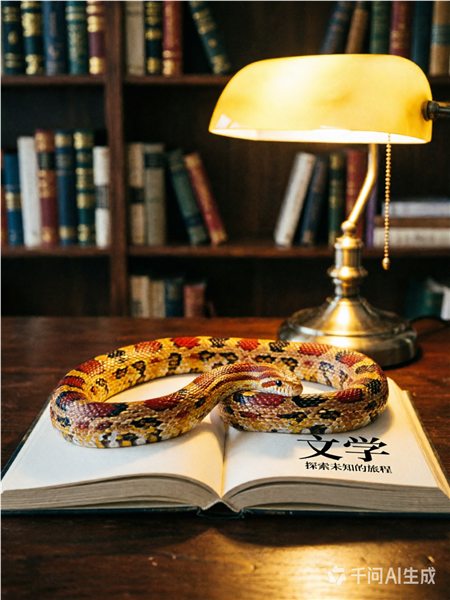
In the wild, corn snakes are constrictors and opportunistic predators. Their diet consists almost exclusively of warm-blooded prey, which they subdue by coiling around it and suffocating it before swallowing it whole. Their primary food source is small rodents, which makes them incredibly beneficial to agriculture and human settlements.
Primary Prey Items Include:
- Mice: Peromyscus species (deer mice, white-footed mice) and house mice are staples.
- Rats: Young rats of various species are commonly taken.
- Voles: These small, stocky rodents are frequent prey in meadow and field habitats.
- Birds and Bird Eggs: Corn snakes are adept climbers and will raid the nests of ground-nesting birds or low-hanging tree nests. They consume both eggs and nestlings.
- Bats: On occasion, they will hunt bats at cave entrances or in hollow trees.
- Other Small Vertebrates: Young corn snakes may start by eating small lizards and tree frogs before graduating to larger mammalian prey.
Their hunting is primarily nocturnal and crepuscular (active at dawn and dusk), especially during the hotter months. They rely heavily on their exceptional sense of smell, using their forked tongues to collect chemical particles from the air and ground and transfer them to the Jacobson's organ in the roof of their mouth. They also have good vision for detecting movement. They are "sit-and-wait" predators to some degree but will also actively forage through their home range.
Seasonal Behavior and Activity Patterns
The life of a wild corn snake is dictated by the seasons and temperature, as they are ectothermic (cold-blooded).
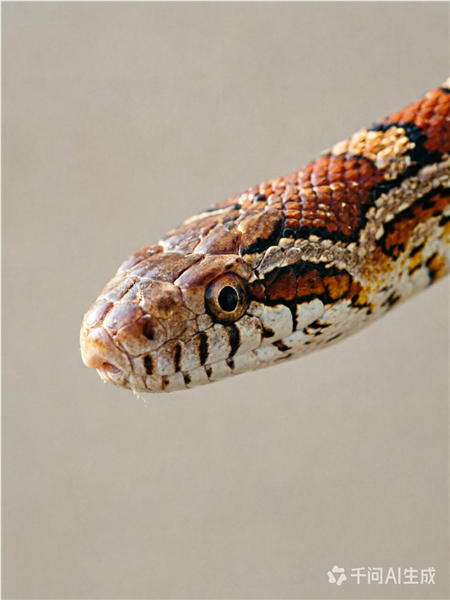
Spring (March-May): As temperatures rise, corn snakes emerge from their communal winter hibernation sites, called hibernacula. These are often deep rodent burrows, rock crevices, or rotting logs below the frost line. Mating occurs shortly after emergence. Males will travel long distances, following pheromone trails to find receptive females.
Summer (June-August): This is the peak period of activity and feeding. Snakes are most active at night to avoid the scorching daytime heat. They spend their days hidden in cool, damp retreats. Females will lay clutches of 10-30 leathery eggs in late spring or early summer in warm, moist, hidden locations like compost piles, rotting logs, or under rocks. The eggs incubate for about 60-65 days, with no parental care provided.
Autumn (September-November): Feeding intensifies as snakes build up fat reserves for the winter. Activity decreases as temperatures drop. They begin seeking out suitable hibernation sites.
Winter (December-February): In the northern parts of their range, corn snakes brumate (a reptilian form of hibernation) for several months. In the warmer southern extremes (like southern Florida), they may remain somewhat active year-round, only becoming dormant during brief cold snaps.
Defensive Behaviors in the Wild
Despite being non-venomous, corn snakes have several defensive tactics to avoid becoming a meal for hawks, raccoons, foxes, or other snakes (including kingsnakes, which are immune to constriction).
- Flight: Their first and best defense is to flee and hide in the nearest available cover.
- Tail Vibration: When startled, they may rapidly vibrate the tip of their tail against dry leaves or debris. This mimics the sound of a rattlesnake's rattle and can startle potential predators.
- Musk Secretion: If captured, they will often release a foul-smelling musk from their cloaca to deter the predator.
- Striking: As a last resort, a cornered corn snake may strike and bite. However, their bite is harmless to humans, causing only minor pinpricks.
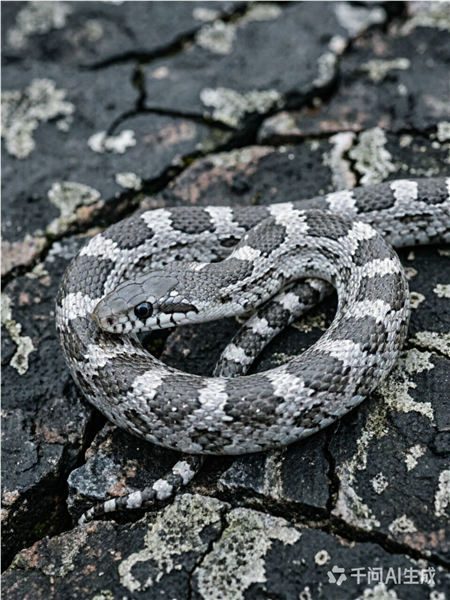
- Color Confusion: Their pattern can act as camouflage in dappled light, and when they flee through grass, the blur of their patterned body can confuse a predator's ability to track them.
Conservation Status and Threats
Fortunately, the corn snake is listed as a species of "Least Concern" by the International Union for Conservation of Nature (IUCN). Their population is considered stable over much of their range due to their adaptability and wide distribution. However, they do face localized threats:
- Habitat Loss: Urbanization, agriculture, and deforestation fragment and destroy their natural habitats.
- Road Mortality: Like many reptiles, they are often killed while crossing roads, especially during seasonal migrations to and from hibernation sites.
- Persecution: Despite being harmless, they are sometimes killed out of fear by people who mistake them for venomous copperheads. (Note: Corn snakes have round pupils and a spear-shaped head pattern, unlike the triangular head and vertical pupils of pit vipers).
- Pet Trade Collection: While the vast majority of pet corn snakes are now captive-bred, historically, wild collection for the pet trade impacted some populations. Today, captive breeding satisfies nearly all market demand.
Lessons for Captive Care
Understanding their wild life provides the blueprint for excellent captive care:
- Enclosure: Provide multiple hiding spots (warm side, cool side, and a humid hide) to mimic their secretive nature and need for security.
- Temperature Gradient: Essential. A warm basking area of 85-88°F (29-31°C) and a cooler end around 75°F (24°C) allows for thermoregulation, just like moving between sun and shade in the wild.
- Diet: A diet of appropriately sized, pre-killed frozen/thawed rodents perfectly mimics their natural prey and is safer than live feeding.
- Climbing Opportunities: Provide branches or shelves, as they are semi-arboreal in the wild.
- Seasonal Cycles: Some keepers choose to simulate a winter brumation period for breeding purposes, which involves gradually lowering temperatures and reducing daylight hours.
In conclusion, the corn snake is a resilient, adaptable survivor from the diverse ecosystems of the American Southeast. Its journey from the pine flatwoods and rocky outcrops to our homes as a cherished pet is a testament to its hardy and agreeable nature. By respecting and replicating the key aspects of its wild existence—the need for security, proper thermoregulation, and a suitable diet—we can ensure these beautiful snakes thrive in our care for decades to come.