Tips for Raising Border Collie Puppies at Home
Bringing a Border Collie puppy home is an exciting adventure filled with joy, energy, and a fair share of challenges. Renowned as one of the most intelligent and energetic dog breeds, Border Collies require dedicated, informed care from the very start. Successfully raising a Border Collie puppy goes beyond providing food and shelter; it involves structured training, ample physical and mental stimulation, proper socialization, and attentive healthcare. This comprehensive guide will walk you through all the essential tips to ensure your Border Collie puppy grows into a well-behaved, healthy, and happy adult companion, perfectly suited for life in your home.
Preparing Your Home for a Border Collie Puppy
Before your furry bundle of energy arrives, puppy-proofing your home is a critical first step. Border Collie puppies are incredibly curious and intelligent, which often translates into mischief if left to their own devices. Start by securing electrical cords, removing toxic plants, and ensuring small objects that could be swallowed are out of reach. Designate a specific area for your puppy, such as a cozy crate or a puppy-safe room with a comfortable bed, food and water bowls, and plenty of safe chew toys. This safe space will become their sanctuary, helping with house training and providing security. Investing in essential supplies like a high-quality crate, a sturdy leash and harness, grooming tools, interactive toys, and high-quality puppy food will set the stage for a smooth transition.

The Importance of Early Socialization and Training

Socialization is arguably the most important aspect of raising a well-adjusted Border Collie. The critical socialization window for puppies is between 3 and 14 weeks of age. During this period, gently expose your puppy to a wide variety of people, dogs, sounds, sights, and experiences in a positive, controlled manner. This includes car rides, visits to the vet, different floor surfaces, and household noises like vacuum cleaners. Positive experiences during this time will help prevent fearfulness and aggression later in life. Simultaneously, begin basic obedience training using positive reinforcement methods. Border Collies are eager to please and learn quickly. Start with simple commands like "sit," "stay," "come," and "leave it." Use treats, praise, and play as rewards. Consistency and patience are key; keep training sessions short, fun, and engaging to match their attention span.
Mastering House Training and Crate Training
House training a Border Collie puppy requires a consistent schedule and vigilant supervision. Take your puppy outside first thing in the morning, after meals, after naps, after play sessions, and just before bedtime. Always use the same door and area of the yard to create a strong association. When they eliminate in the correct spot, reward them immediately with enthusiastic praise and a treat. Accidents will happen; never punish your puppy for them. Instead, clean the area thoroughly with an enzymatic cleaner to remove the scent. Crate training is an invaluable tool for house training and providing a safe den for your puppy. Choose a crate that is just large enough for them to stand, turn around, and lie down comfortably. Make the crate a positive place by feeding meals inside and offering special toys. Never use the crate as punishment. A well-crate-trained puppy will feel secure and will be less likely to have accidents or become destructive when unsupervised.
Nutrition and Diet for a Growing Border Collie
Providing optimal nutrition is fundamental for your Border Collie puppy's rapid growth and development. Select a high-quality, commercially prepared puppy food that is specifically formulated for medium-to-large breed puppies. These formulas have balanced calcium and phosphorus levels to support proper bone and joint development, which is crucial for active breeds prone to hip dysplasia. The food should list a high-quality source of animal protein (like chicken, lamb, or fish) as the first ingredient. Follow the feeding guidelines on the package based on your puppy's projected adult weight and current age, but be prepared to adjust portions based on their individual metabolism and activity level. Divide the daily food allowance into three or four smaller meals to prevent bloat and maintain steady energy levels. Always ensure fresh water is available. Avoid feeding table scraps, as this can lead to obesity and picky eating habits.
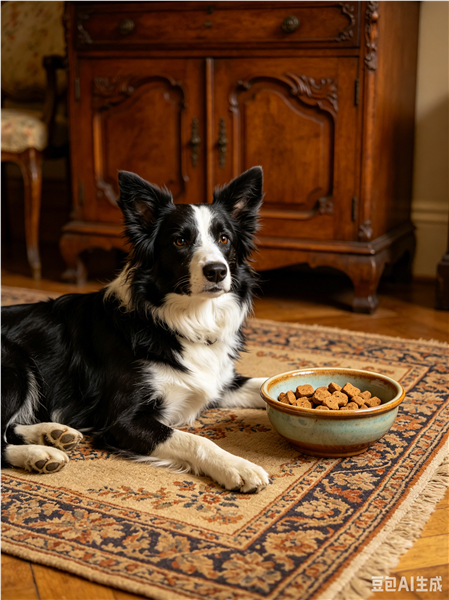
Exercise and Mental Stimulation: A Non-Negotiable Duo
Border Collies are working dogs bred for stamina and intelligence. A simple walk around the block is insufficient. They require significant daily physical exercise paired with even more demanding mental challenges to prevent boredom and destructive behaviors. Aim for at least 60-90 minutes of vigorous exercise daily, which can include long walks, jogging, hiking, and fetch sessions in a securely fenced area. However, physical exercise alone will not tire out a Border Collie. Mental stimulation is paramount. Incorporate training sessions into playtime, teach new tricks, and use puzzle toys and feeders that make them work for their food. Activities like nose work (finding hidden treats), agility training (even homemade courses), and learning complex commands engage their brilliant minds. A mentally and physically tired Border Collie is a content and well-behaved companion.
Grooming and Healthcare Basics
Border Collies have a beautiful double coat that requires regular maintenance. Brush your puppy at least 2-3 times a week with a slicker brush and an undercoat rake to remove loose hair, prevent mats, and distribute natural skin oils. During shedding seasons (spring and fall), daily brushing may be necessary. Bathing should be done only every few months or when they get particularly dirty, using a gentle dog shampoo to avoid stripping essential oils from their coat. Regularly check and clean their ears to prevent infections, trim their nails every few weeks, and brush their teeth several times a week with dog-specific toothpaste. Establish a relationship with a veterinarian for routine check-ups, vaccinations, and parasite prevention (fleas, ticks, heartworm). Discuss common breed-specific health screenings, such as for hip dysplasia, Collie Eye Anomaly (CEA), and epilepsy, with your vet.
Managing Common Behavioral Challenges
Due to their high intelligence and energy, Border Collie puppies can develop problematic behaviors if their needs aren't met. Common issues include:
Herding Instinct: They may nip at heels, chase cars, or herd children and other pets. Redirect this instinct into appropriate activities like fetch or herding ball games and teach a strong "leave it" command.
Excessive Barking: Often a sign of boredom or under-stimulation. Ensure they have enough exercise and mental work, and teach a "quiet" command.
Chewing and Destructiveness: Provide a plethora of approved chew toys and rotate them to maintain interest. Use puppy-proofing and supervision to manage their environment.
Separation Anxiety: Gradually accustom your puppy to being alone for short periods. Make departures and arrivals low-key, and provide a long-lasting treat (like a stuffed Kong) when you leave. The key to managing all these behaviors is proactively meeting their exercise and mental needs while using consistent, positive training to shape desired behaviors.
Building a Lifelong Bond
Raising a Border Collie puppy is a significant commitment that pays off in the form of an incredibly loyal, intelligent, and affectionate partner. The time you invest in training, socialization, and shared activities in these first months and years lays the foundation for a deep, trusting bond. Involve your puppy in family activities, be patient through the challenging phases of teething and adolescence, and always use kindness and positive reinforcement. Remember, you are not just training a dog; you are nurturing a relationship. The effort you put into understanding and meeting the unique needs of your Border Collie puppy will result in a well-mannered, joyful, and integral member of your family for years to come.
In conclusion, raising a Border Collie puppy at home is a rewarding journey that demands knowledge, patience, and active participation. By preparing your home, committing to early socialization and positive training, providing tailored nutrition, ensuring exhaustive exercise and mental enrichment, maintaining their health, and understanding their unique instincts, you set your puppy on the path to a fulfilling life. Embrace the process, celebrate the small victories, and enjoy the incredible intelligence and devotion that a Border Collie brings into your home.