Don't Feed! The "Deadly Foods" Blacklist for Budgerigars Revealed
Budgerigars, with their brilliant plumage and lively personalities, have become beloved companion pets in countless households. However, many new bird owners may not know that these little creatures, who seem to want to peck at everything, have digestive and metabolic systems vastly different from humans, cats, and dogs. Some foods that are harmless or even beneficial to humans can be deadly poison for budgerigars. Incorrect feeding can lead to diarrhea and lethargy at best, and organ failure, neurological poisoning, or even sudden death at worst. For the health and safety of your beloved bird, please keep this "deadly foods" blacklist handy and always remember: scientific feeding is a responsibility.
1. Why Are Budgerigar Diets So Sensitive?
Before delving into the blacklist, we need to understand the physiological characteristics of budgerigars. Belonging to the order Psittaciformes, family Psittacidae, their original habitat is in the arid and semi-arid regions of Australia. Their digestive systems evolved to handle various grass seeds, grains, tender shoots, and small amounts of fruit. They have an extremely high metabolic rate, meaning toxic substances are rapidly absorbed and produce amplified effects in their bodies. Additionally, their livers and kidneys are relatively small, with limited detoxification and excretion capabilities. Therefore, any food not in their natural diet or containing specific toxins can cause a significant impact on their fragile bodies.
2. "Deadly Foods" Blacklist: Absolutely Forbidden!
1. Chocolate and All Foods/Drinks Containing Caffeine
Deadly Components: Theobromine, Caffeine.
Harm: These are methylxanthines. Budgerigars cannot effectively metabolize them, leading to overstimulation of their central nervous system, which can cause tachycardia, arrhythmia, seizures, hyperactivity, vomiting, diarrhea, and potentially death from heart failure. Dark chocolate is the most toxic; even a small piece can be fatal.
2. Avocado
Deadly Component: Persin.
Harm: Persin is a potent cardiac toxin for birds. It causes damage to heart muscle cells, leading to difficulty breathing, fluid accumulation in the chest and abdomen (pericardial and abdominal effusion), weakness, and sudden death. The flesh, skin, and pit of avocados contain this toxin; keep parrots far away.
3. Onions, Garlic, Chives, and Other Allium Plants
Deadly Components: Thiosulphates (which convert into more toxic compounds when heated or dried).
Harm: These substances destroy the parrot's red blood cells, causing hemolytic anemia. Symptoms include lethargy, difficulty breathing (due to reduced oxygen-carrying capacity), pale gums, and red urine (hematuria). Poisoning can be chronic; long-term exposure to small amounts can also accumulate and cause harm.
4. Alcohol
Any alcoholic beverages or foods (like chocolate liqueurs, over-fermented fruits) are absolutely forbidden. Birds are small, and even tiny amounts of alcohol can depress their central nervous system, causing ataxia, coma, respiratory depression, and even death.
5. Processed Foods High in Salt, Sugar, and Fat
Chips, cookies, salted nuts, fried foods, candy, etc.
Harm: A parrot's kidneys cannot effectively excrete excess salt, leading to dehydration, kidney damage, and neurological poisoning (manifesting as excessive thirst, polyuria, tremors, death). High-sugar and high-fat foods can cause obesity, fatty liver disease (a common fatal condition in pet birds), malnutrition, and diabetes.
6. Fruit Pits and Apple/Pear Seeds
The pits or seeds of apples, pears, apricots, peaches, plums, cherries, etc., contain cyanide precursors (like amygdalin).
Harm: When a parrot crushes the seeds, enzymes inside convert them into hydrogen cyanide, a highly toxic substance that prevents cells from using oxygen, leading to rapid breathing, dilated pupils, shock, and even rapid death. The fruit flesh can be fed in moderation, but the core and all seeds must be thoroughly removed.
7. Raw Beans (e.g., Green Beans, Kidney Beans)
Deadly Components: Phytohemagglutinin, among others.
Harm: Raw or undercooked beans contain proteins toxic to birds, causing severe gastrointestinal irritation, vomiting, and diarrhea. All beans must be thoroughly cooked before feeding.
8. Mushrooms
Some mushrooms contain components toxic to birds, potentially causing liver damage or neurological problems. Given the difficulty in identification, the safest approach is to completely avoid feeding any mushrooms.
9. Foods Containing Xylitol
Common in "sugar-free" gum, candy, baked goods.
Harm: Xylitol can trigger a rapid insulin release in birds, causing a sharp drop in blood sugar (hypoglycemia), leading to weakness, coma, and liver failure. Although research is more extensive in dogs, the risk for birds is unknown and considered very high; it must be avoided.
10. Moldy or Spoiled Food
Any moldy grains, nuts, or fruits may contain mycotoxins like aflatoxin.
Harm: These are potent carcinogens and hepatotoxins, leading to liver damage, immune suppression, and even acute death. Always provide fresh food and promptly clean uneaten moist food from food bowls.
3. Controversial and Foods to Treat with Caution
1. Dairy Products: Birds generally lack sufficient lactase to digest lactose. Ingesting milk, cheese, etc., may cause diarrhea. Small amounts of plain yogurt (with active probiotics and broken-down lactose) might be beneficial but are not essential and should be tried cautiously.
2. Spinach and Beet Greens: They contain oxalic acid, which can interfere with calcium absorption. Long-term, large-quantity feeding may lead to calcium deficiency. Occasional small amounts are okay, but they should not be staple vegetables.
3. Peanuts: Peanuts are highly susceptible to mold that produces aflatoxin. If feeding, choose human-grade, fresh, unsalted, unsweetened peanuts and check for mold. Safer nut options include almonds, walnuts (shelled), hazelnuts, etc.
4. Safe Diet Guide for Budgerigars
1. Staple Food (~60-70%): High-quality, specialized budgerigar seed mix or pellets (formulated feed). Pellets are nutritionally balanced and prevent selective eating, making them the better choice.
2. Fresh Vegetables and Fruits (~20-30%): Provide daily. Safe choices include: broccoli, carrots, bell peppers, pumpkin, corn, peas, lettuce, apples (cored), bananas, blueberries, strawberries, mango (pitted), etc. Wash thoroughly to remove pesticides and cut into small, peckable pieces.
3. Protein Supplement: Occasionally provide hard-boiled egg (crushed with shell for calcium), small amounts of cooked beans, or commercial parrot protein treats.
4. Minerals and Grit: Provide cuttlebone and mineral blocks for chewing to supplement calcium and minerals. Parrots do not need grit for digestion (unlike chickens), and ingesting too much grit can actually block the digestive tract.
5. Clean Water: Change to fresh, clean drinking water daily.
5. Emergency Response
If you suspect your parrot has ingested a toxic food:
1. Immediately remove the suspected food source.
2. Stay calm and observe symptoms: Note any vomiting, diarrhea, weakness, tremors, abnormal breathing, etc.
3. Do NOT induce vomiting yourself! Inducing vomiting in birds can lead to aspiration pneumonia, which is more dangerous.
4. Contact an avian/exotic veterinarian immediately! Time is critical. Bring a sample or packaging of the suspected poison for quick diagnosis. While transporting to the vet, place the bird in a quiet, warm, dark travel carrier to reduce stress.
Conclusion
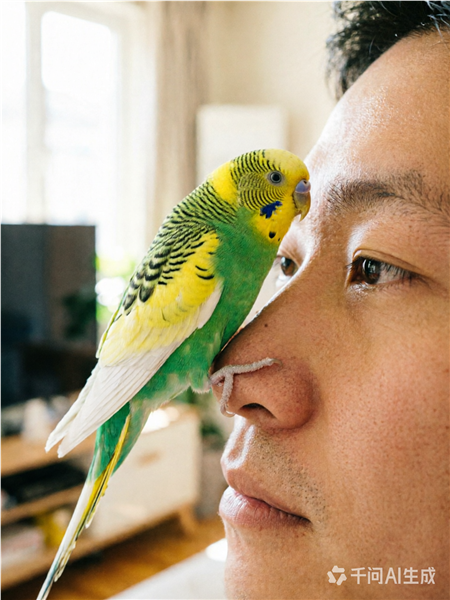
To love them is to understand them. Feeding a budgerigar is far more than just providing food; it's a science concerning life. This "deadly foods" blacklist is a safety baseline that every responsible bird owner must master. Please share this list with your family, especially children, to ensure everyone knows what not to feed. At the same time, actively learn about and provide a safe, balanced, and varied diet. Your careful care will be rewarded with the longer-lasting healthy companionship and cheerful chirping of this colorful little life. Remember, when you are unsure if a food is safe, the safest choice is: don't feed it!
(Note: The content of this article is intended to provide general information and is not a substitute for professional veterinary advice. If you have any health concerns, please consult a qualified avian/exotic veterinarian.)