Bringing home a coveted Golden Arowana from afar is a dream for many ornamental fish enthusiasts. However, long-distance transportation poses a severe challenge for the fish, with factors like temperature, water quality, jostling, and oxygen deprivation potentially leaving it in an extremely weak and stressed state. Improper handling upon arrival can easily lead to the sudden death of the beloved fish, rendering all anticipation and investment futile. Therefore, a scientific, meticulous, and patient emergency care procedure upon arrival is crucial for determining whether the Golden Arowana can survive and adapt to its new environment. This article will break down each step from unboxing to stable keeping in detail, helping your new companion safely navigate the critical period.
I. Preparations: Supplies Before the Soldier
Thorough preparation before the Golden Arowana arrives is paramount. Avoid last-minute scrambling.
1. Water Conditioning and Aquarium Preparation: The new aquarium must complete the "water conditioning" process at least one week in advance. After filling with tap water, turn on the filtration system and air pump, and add a water conditioner to remove chlorine. A few hardy "pioneer" fish or a nitrifying bacteria starter culture can be introduced to establish a preliminary nitrification system. Ensure the water temperature is constant at 28-30°C (a comfortable range for Golden Arowanas), and the pH is stable between 6.5-7.5. Avoid placing sharp decorations inside the tank to prevent injury if the arowana gets startled and dashes.
2. Equipment Check and Medication Preparation: Verify that all equipment—heater, water pump, air pump, lights—is functioning properly. Prepare the following emergency items in advance: a large bucket or dedicated acclimation container, an air pump and airstone, a clean, soft fish net, thermometer, tank divider (if planning a community tank), water test kits (for ammonia, nitrite, pH), and necessary medications, such as yellow powder (Furanace) or methylene blue for mild disinfection, and aquarium salt for osmotic pressure adjustment.
3. Environment Setup: Place the aquarium in a quiet, low-light location. Golden Arowanas are highly nervous after a long, bumpy journey. Bright lights and frequent human movement can exacerbate their stress response. Maintaining a dim and quiet environment upon arrival is the first step in aiding their recovery.
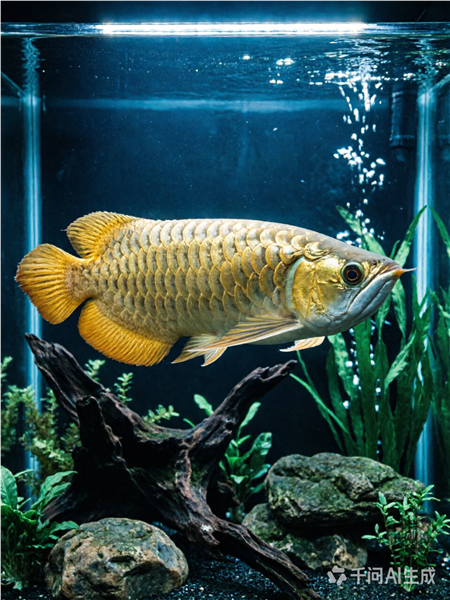
II. The Core Four Steps: Unboxing, Temperature Acclimation, Water Acclimation, Disinfection
When the package containing the Golden Arowana is delivered, stay calm and follow the steps in order.
Step One: Resting and Unboxing
Do not open the box immediately! Place the entire, unopened package next to the aquarium and let it rest for 30 minutes. The purpose is to allow the water temperature inside the box to slowly adjust to the room temperature (near the aquarium), serving as a preliminary, rough "temperature acclimation." It also allows the fish to calm down slightly from the transport vibrations. After resting, carefully open the outer box, usually revealing a foam box. Open the foam box to find the oxygen-filled plastic bag. At this point, do not open the bag, and absolutely do not pour the fish directly into the aquarium.
Step Two: Precise Temperature Acclimation
Place the sealed plastic bag (ensure it doesn't leak) into the prepared bucket or the aquarium itself, letting it float on the water surface. If the bag is too large, place it in the acclimation container and add aquarium water to the container until the water levels inside and outside the bag are equal. This process typically takes 30-40 minutes. Every 10 minutes, you can add a small amount of aquarium water into the bag, allowing the water parameters inside to change gradually. The goal of temperature acclimation is to equalize the water temperature inside the bag with the aquarium water completely, preventing diseases like "ich" or dropsy caused by excessive temperature shock.
Step Three: Crucial Water Acclimation
After temperature acclimation is complete, begin the most critical "water acclimation" step—allowing the fish to adapt to the new water's parameters (pH, hardness, ammonia concentration, etc.). This process requires immense patience.
- Open the bag, roll down the top to form a small basin shape, preventing the fish from jumping out.
- Prepare a small cup or use a soft tube to slowly add aquarium water into the bag using a siphon or gentle pouring. Initially, add about 10%-20% of the bag's water volume every 5-10 minutes.
- Continue for 1-2 hours, constantly adding new water and occasionally scooping out and discarding some of the old water from the bag. The total amount added should reach 3-5 times the original volume of water in the bag.
- Throughout the water acclimation process, ensure continuous aeration is provided inside the bag to prevent oxygen depletion due to increased density.
This process allows the Golden Arowana's gills and body surface mucus to gradually adapt to the new water quality, akin to "altitude acclimatization" for humans, significantly reducing the risk of osmotic shock and ammonia poisoning.
Step Four: Disinfection and Tank Introduction
After water acclimation is complete, do not pour the water from the bag into the aquarium! The transport water may contain waste and harmful bacteria. The correct procedure is:
- Gently scoop the Golden Arowana out of the bag using the soft fish net and smoothly introduce it into the aquarium.
- Discard all the transport water from the bag.
- For fish in decent condition, this step can be omitted. If you observe the fish has minor injuries, damaged body surface mucus, or appears lethargic, you can perform a preventive disinfection bath in a separate container using a low-concentration solution of yellow powder or methylene blue for 10-15 minutes before netting it into the main tank.
III. Initial Care and Management After Arrival
Successful introduction to the tank is just the first step. The following week is a high-risk period.
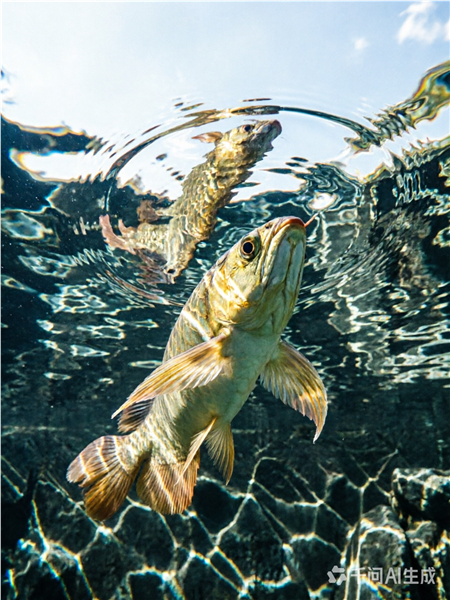
1. Resting and Lights Off: After introduction, immediately turn off the aquarium lights and keep the room lighting dim for at least 24-48 hours. Allow the Golden Arowana to explore its new home alone in a dark, quiet environment to regain strength. Avoid lingering in front of the tank for long periods or making loud noises during this time.
2. Fasting: This is a strict rule! Fast the fish for at least 3 days after arrival. Transportation disrupts the Golden Arowana's digestive system. Feeding immediately can easily trigger enteritis. Even after 3 days, observe its condition: does it show active interest in food? Is its swimming normal? The first feeding should consist of easily digestible food, such as peeled fresh shrimp meat or specific small feeder fish, in a small amount (1/3 to 1/2 of the usual feeding portion).
3. Water Quality Monitoring: Test the water daily, focusing on ammonia and nitrite levels. The introduction of a new fish, coupled with potential feeding, can stress the nitrification system. Maintain regular water changes (for the first three days, change 1/10 of the water daily using aged, temperature-matched water) and add nitrifying bacteria to strengthen the system.
4. Observation and Response: Closely monitor the Golden Arowana's condition. Normal signs: It may hide in a corner, but its fins are spread, and breathing is steady. Abnormal signs: Rapid breathing, lying on the bottom (pacing), clamped fins, body tilting, white film or blood streaks on the body surface, violent dashing against the tank walls. Upon noticing any abnormality, immediately analyze the cause (water quality? fright? disease?) and take corresponding measures, such as increasing aeration, adjusting water parameters, adding salt, or administering medication.
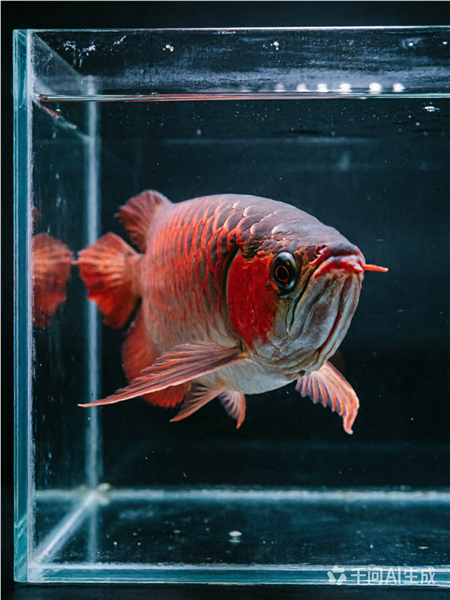
IV. Common Issues and Emergency Solutions
Q1: The fish lies on the bottom motionless after arrival. What to do?
A: Mild bottom-sitting is a normal stress response. Maintain dim lighting, quietness, and good water quality; it usually recovers within 1-2 days. If bottom-sitting persists for a long time accompanied by clamped fins, check water quality (is ammonia超标?) and consider adding 0.3% aquarium salt to alleviate osmotic pressure stress.
Q2: The fish has abrasions or lost scales?
A: Caused by collisions during transport. Maintaining clean water quality is the top priority. A small amount of yellow powder can be added to prevent bacterial infection. Usually, with good water quality, scales will regenerate on their own.
Q3: "Droopy eye" or swimming sideways?
A: This is often caused by nervousness and trying to observe the environment above (lights, human figures). Increase top cover, maintain a dim environment, and it will often self-correct over time. You can also float a ping pong ball on the water surface at the top of the tank to help it adjust its visual focus.
Q4: Refusal to eat for over a week?
A: Don't panic first. Check if the water quality is perfect. Try changing the type of bait (e.g., small fish, crickets, shrimp meat). Be patient and continue providing a quiet environment. As long as the fish is stable and not losing weight, you can continue to wait. If necessary, probiotics like lactobacillus tablets soaked in food can be used to tempt it to start eating.
V. Transition After the Stabilization Period
After successfully navigating the first week, if the Golden Arowana starts patrolling and shows a strong desire to eat, it indicates basic adaptation. At this stage, you can:
- Gradually Restore Lighting: Start with 2-3 hours of light per day, gradually increasing the duration, eventually stabilizing at 8-10 hours daily to promote gold color development.
- Establish a Regular Feeding Schedule: Fix feeding times and amounts, follow the principle of "small, frequent meals," diversify the diet to ensure balanced nutrition.
- Integrate into Routine Maintenance: Incorporate the fish into the normal weekly rhythm of water changes and filter media cleaning.
Remember, Golden Arowanas are resilient fish but also highly sensitive. The core philosophy of emergency care after long-distance transport is "slow" and "stable." Through meticulously prepared temperature and water acclimation, and providing an extremely quiet resting period upon arrival, you will significantly reduce risks, laying the most solid foundation for a long and rewarding companionship with this aquatic monarch. Wishing every aquarist success in welcoming their new member and enjoying the endless乐趣 of keeping Golden Arowanas.