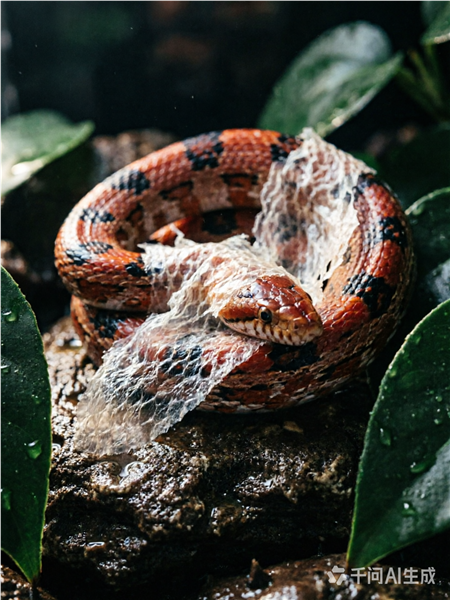
Corn snakes (Pantherophis guttatus) are one of the most popular pet snakes in the world, renowned for their docile nature, manageable care requirements, and stunning array of colors and patterns. A common question from prospective and new owners alike is: 'How big do corn snakes get?' Understanding their potential size is crucial for providing appropriate housing, planning for the long term, and ensuring the well-being of your scaly companion. This article delves deep into the fascinating growth journey of the corn snake, from a delicate hatchling to a graceful adult.
The Typical Size Range: From Hatchling to Adult
Corn snakes are considered a medium-sized colubrid. Their size is one of their most appealing attributes, being substantial enough to feel like a 'real snake' but not so large as to become intimidating or require excessive space.
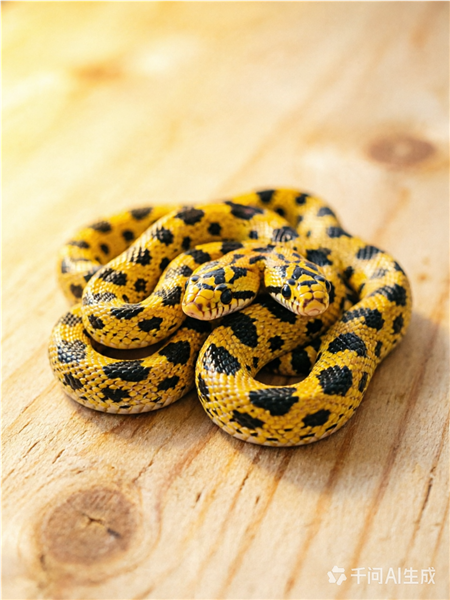
- Hatchlings: When they first emerge from the egg, corn snakes are typically between 8 to 12 inches (20 to 30 cm) in length. They are slender, delicate, and often no thicker than a pencil.
- First Year: With consistent, appropriate feeding, a corn snake can grow rapidly in its first year. By their first birthday, many will have reached 24 to 36 inches (60 to 90 cm).
- Sub-Adults (Years 2-3): Growth continues at a steady but slower pace. During this phase, they fill out and gain more girth. By the end of year three, most corn snakes are approaching or have reached their adult length.
- Fully Grown Adults: The average adult corn snake size ranges from 4 to 5.5 feet (120 to 170 cm) in length. Females tend to be slightly longer and heavier-bodied than males, as they need the extra resources for egg production. It is relatively uncommon, but some exceptional individuals, particularly females, can reach up to 6 feet (180 cm).
- Weight: An adult corn snake's weight is a better indicator of health than length alone. A healthy adult typically weighs between 500 to 900 grams, with well-fed females often on the higher end of that scale.
Factors That Influence Corn Snake Growth
Not all corn snakes grow at the same rate or to the exact same size. Several key factors play a significant role in determining an individual snake's ultimate size.
1. Genetics
Genetics is the primary blueprint for a snake's potential size. If the parents were large, the offspring are more likely to be large as well. This is the most unchangeable factor.
2. Diet and Feeding Frequency
Nutrition is the engine of growth. A consistent diet of appropriately sized prey (rodents) is essential.
- Underfeeding: Offering prey that is too small or feeding too infrequently can lead to stunted growth, a weakened immune system, and a snake that never reaches its genetic potential.
- Overfeeding: The opposite problem is just as serious. Power-feeding (offering food too frequently) to accelerate growth is a harmful practice that leads to obesity, fatty liver disease, and a significantly shortened lifespan. A fat snake is not a healthy or large snake; it is an unhealthy one.
The key is a moderate and consistent feeding schedule, typically one appropriately sized mouse every 7-14 days for an adult.
3. Enclosure and Environmental Conditions
A stressed snake will not thrive. An enclosure that is too small, lacks proper hiding spots, or has incorrect temperature and humidity gradients can suppress appetite and hinder growth. Providing a secure, spacious, and correctly set-up habitat is non-negotiable for healthy development.
4. Overall Health
Parasites (both internal and external), respiratory infections, or other illnesses can divert energy away from growth and towards fighting disease. Regular health monitoring and prompt veterinary care for any issues are vital.
Corn Snake Growth Chart: A Visual Timeline
This chart provides a general guideline for the growth of a corn snake under ideal conditions. Remember, individual variation is normal.
| Age | Approximate Length | Approximate Prey Size | Notes |
|---|---|---|---|
| Hatchling (0-3 months) | 8-12 inches | Pinkie mouse (newborn) | Very slender; feed every 5-7 days. |
| Juvenile (3-12 months) | 1-3 feet | Fuzzy to hopper mouse | Rapid growth phase; feed every 7 days. |
| Sub-Adult (1-3 years) | 3-4.5 feet | Small to medium adult mouse | Growth slows; body fills out. Feed every 10-14 days. |
| Adult (3+ years) | 4-5.5+ feet | Medium to large adult mouse | Growth plateaus at maturity. Feed every 10-14 days, adjusting for body condition. |
Enclosure Size Requirements: Matching Habitat to Size
Your corn snake's enclosure must grow with it. A common mistake is housing a rapidly growing snake in a tank that quickly becomes too small.
- Hatchling/Juvenile: A 10 to 20-gallon terrarium can suffice initially, but they will outgrow it quickly.
- Sub-Adult: A 30 to 40-gallon breeder tank is a good intermediate size.
- Fully Grown Adult: The minimum recommended enclosure size for an adult corn snake is a 40-gallon breeder tank (36" x 18" x 18"). However, many experienced keepers advocate for larger enclosures, such as a 4x2x2 foot (120x60x60 cm) front-opening PVC or wooden vivarium. Larger spaces allow for better thermal gradients, more enrichment, and promote natural exercise and exploratory behaviors.
The Golden Rule: The length + width of the enclosure should be equal to or greater than the length of the snake. This allows the snake to fully stretch out along two sides.
Ensuring Healthy Growth: Best Practices for Owners
- Feed Appropriately Sized Prey: The prey item should be no wider than the widest part of the snake's body. A slight bulge after feeding is normal; a large, lumpy bulge indicates the prey was too large.
- Maintain a Consistent Feeding Schedule: Avoid the temptation to feed more often to 'make it grow faster.' Stick to a schedule based on age and size.
- Provide Optimal Husbandry: Maintain a warm side of 85-88°F (29-31°C) and a cool side of 75-78°F (24-26°C). Humidity should be around 40-50%, spiking to 60-70% during shedding.
- Minimize Stress: Provide multiple snug hides (one on the warm end, one on the cool end), a water bowl large enough for soaking, and avoid excessive handling, especially for 48 hours after feeding.
- Regular Weigh-Ins: Use a digital kitchen scale to weigh your snake monthly. Tracking weight is the best way to monitor growth trends and overall health. A steady, gradual increase is ideal; sudden weight loss or gain is a cause for concern.
Conclusion: A Manageable and Rewarding Pet
The corn snake's manageable adult size of 4 to 5.5 feet is a perfect sweet spot in the reptile-keeping world. It allows them to be impressive yet handleable, and their housing needs remain reasonable for most households. By understanding their growth patterns, providing excellent nutrition and care, and respecting their individual genetic blueprint, you can ensure your corn snake reaches a healthy, robust size and enjoys a long lifespan of 15 to 20 years or more. Remember, a healthy growth rate is always preferable to a rapid one. Patience and proper care will be rewarded with a magnificent, fully-grown serpent that is a joy to behold and care for.
Whether you are researching before your first purchase or tracking the progress of your growing pet, knowing what to expect from your corn snake's size journey is a fundamental part of responsible ownership. With the information provided, you are now well-equipped to support your snake through every stage of its life, from a tiny hatchling to a majestic, full-grown adult.