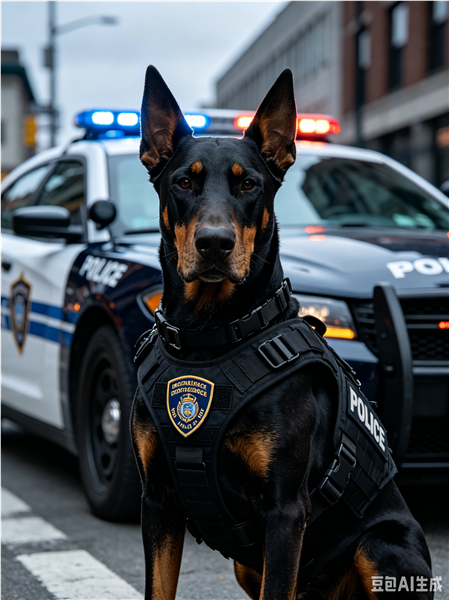
For the dedicated Doberman owner or breeder, transforming a powerful canine into a peak athletic performer is a journey that combines art, science, and profound commitment. The phrase "Doberman sports supporting breeding skills, scientific combination of sports diet" encapsulates this holistic approach. It's not merely about rigorous exercise; it's about strategic breeding for athletic traits, precision training, and a meticulously formulated diet that fuels performance and recovery. This comprehensive guide delves deep into the methodologies required to develop a Doberman that excels in agility, protection sports, endurance trials, or any demanding canine discipline.
The foundation of a sports-ready Doberman begins long before formal training, rooted in selective breeding. Sports-supporting breeding skills involve a deep understanding of genetics, conformation, and temperament. Breeders aiming for athletic excellence look beyond the breed standard for show; they seek lineages proven in working trials, Schutzhund (IGP), agility, or dock diving. Key traits include a balanced structure with strong, angulated hindquarters for powerful propulsion, a deep chest for lung capacity, and a resilient nervous system that remains focused under pressure. Temperament is paramount—a confident, driven, yet biddable dog that thrives on partnership and challenge. Ethical breeders prioritize health clearances for conditions like hip dysplasia, von Willebrand's disease, and dilated cardiomyopathy (DCM), ensuring the physical foundation can withstand the rigors of training.
Once you have a puppy from such lineage, the next phase is structured development. A young Doberman's growth plates are vulnerable, so intense exercise is prohibited. However, sports-supporting skills start early through socialization, foundational obedience, and controlled, low-impact activities that build coordination and confidence. Introducing novel surfaces, gentle retrieving games, and basic directional commands lays the neural groundwork for advanced training. The focus is on creating a willing, problem-solving partner who views training as the ultimate game.
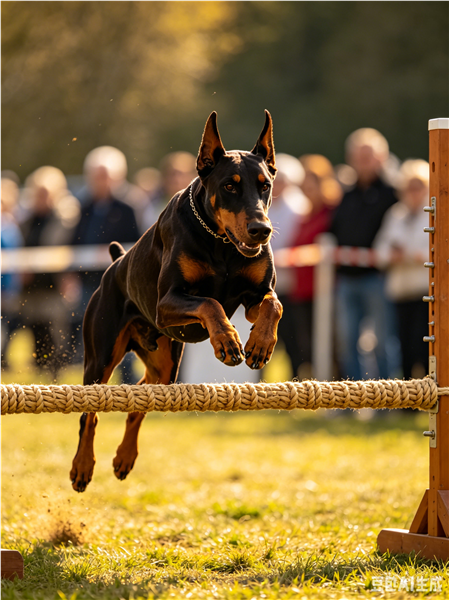
As the Doberman matures, typically after 18-24 months, a periodized training program begins. This mirrors human athletic training, cycling through phases of endurance building, strength development, power and speed training, and active recovery. Conditioning exercises might include weighted vest walks (with veterinary guidance), hill sprints for explosive power, and swimming for low-impact, full-body conditioning. Agility equipment like jumps, tunnels, and weave poles enhance coordination, proprioception, and handling skills. It's crucial to tailor the regimen to the individual dog's sport, physique, and response, always emphasizing positive reinforcement to maintain enthusiasm and mental sharpness.
The cornerstone of this entire endeavor, and arguably the most critical component, is the scientific combination of a sports diet. Nutrition is the fuel that powers training, enables adaptation, and facilitates repair. An active Doberman's metabolic demands are vastly different from a sedentary pet's. The diet must be precision-engineered.
First, consider energy sources. High-quality, animal-based proteins are non-negotiable for muscle repair, synthesis, and overall cellular function. Look for diets where named meat meals (chicken meal, fish meal) or fresh meats are the first ingredients, providing a protein content of 25-30% or higher for highly active dogs. Fats are the primary energy source for sustained aerobic activity. Diets with 18-22% fat from sources like chicken fat, salmon oil, or flaxseed provide concentrated calories and support healthy skin, coat, and joint inflammation control. Carbohydrates should come from digestible, low-glycemic sources like sweet potato, brown rice, or oats to replenish glycogen stores without causing energy spikes and crashes.
Beyond macronutrients, the micronutrient profile is vital. Joint support supplements like glucosamine, chondroitin, and MSM can be integrated into the diet or given separately to protect the hard-working joints. Omega-3 fatty acids, particularly EPA and DHA from fish oil, are potent anti-inflammatories that aid recovery. Antioxidants (Vitamins E and C, selenium) combat the oxidative stress induced by intense exercise. Electrolytes, including sodium, potassium, and chloride, must be replenished, especially after prolonged sessions or in hot weather—sometimes requiring supplementation beyond kibble.

Meal timing and hydration are strategic tools. Feeding a large meal right before activity can lead to discomfort or bloat (a serious risk in deep-chested breeds). A common practice is to give a small, easily digestible carbohydrate-rich snack 2-3 hours before exercise for immediate energy, followed by the main protein-rich meal 1-2 hours after training to optimally feed muscle recovery. Fresh, clean water must be available at all times, with careful monitoring of intake during and after exercise.
For the ultra-committed, exploring a raw or home-cooked diet under the guidance of a veterinary nutritionist allows for ultimate customization. Such diets can precisely adjust protein-to-fat ratios, incorporate specific organ meats for nutrient density, and eliminate potential allergens. However, this requires significant research and effort to ensure nutritional balance and safety.
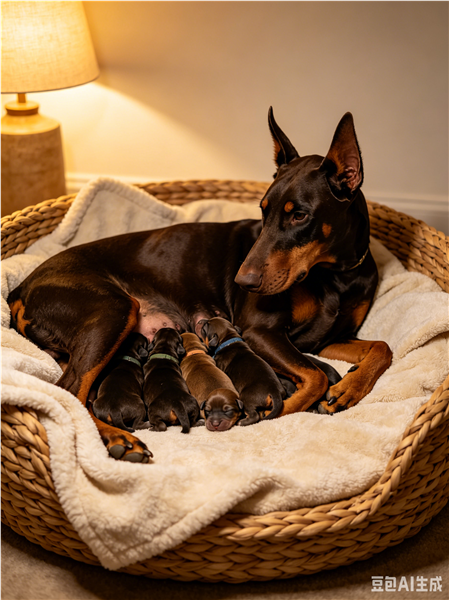
Integrating breeding, training, and diet requires constant observation and adaptation. Keep a log of your Doberman's weight, body condition score (aiming for a visible waist and easily felt ribs), energy levels, stool quality, and recovery times. Signs of overtraining—lethargy, reluctance to work, stiffness, or weight loss—demand an immediate step back in training intensity and a review of caloric and nutrient intake. Regular veterinary check-ups, including blood work, can monitor internal health markers.
Mental conditioning is equally important. A sports Doberman must be resilient and focused. Incorporate rest days, fun "off-sport" activities like hiking or nose work, and ensure ample sleep—the time when most physical and mental consolidation occurs. The bond between handler and dog is the ultimate performance enhancer; training should strengthen trust and communication.
In conclusion, achieving excellence in "Doberman sports supporting breeding skills, scientific combination of sports diet" is a multifaceted, long-term commitment. It begins with informed breeding choices that prioritize athletic structure and sound temperament. It is realized through intelligent, periodized training that builds the body and mind progressively. And it is sustained by a scientifically-formulated diet that acts as high-performance fuel, medicine, and building material. This triad—breeding, training, nutrition—when harmonized, allows the Doberman to not only perform astonishing feats but to thrive in health and spirit while doing so. The result is more than a competitor; it's a supremely conditioned partner, a testament to the pinnacle of canine potential, and a deeply fulfilling shared journey for dog and handler alike.